In today’s rapidly evolving educational landscape, the role of international schools has become more pronounced, particularly in fostering global awareness and understanding among students. Among these institutions, the Singapore International School emerges as a distinguished player, offering a unique convergence of global curricula and cultural inclusivity. This distinctive combination provides students with a comprehensive education that transcends borders and cultures, preparing them for the complexities of the modern world.
Evolution and Educational Philosophy
The growth of international education reflects a rising demand for globally focused learning environments. Educational institutions built on international frameworks aim to nurture well-rounded individuals while maintaining strong academic standards.
At the heart of this philosophy is a commitment to holistic development. Students are encouraged to develop critical thinking skills, creativity, adaptability, and emotional intelligence. These qualities are essential for navigating modern educational and career pathways.
International schools often adopt learner-centred teaching methods that emphasise inquiry, collaboration, and experiential learning. Instead of relying solely on traditional memorisation, students are guided to ask questions, explore ideas, and apply knowledge to real-world situations. This progressive approach supports both intellectual growth and personal development.
Curriculum and Academic Structure
A defining characteristic of international education is its dynamic and comprehensive curriculum. Designed to meet global standards, international school curricula typically integrate subjects that support both academic depth and practical skills.
Core subjects such as mathematics, science, languages, and humanities form the foundation of the academic programme. Alongside these traditional disciplines, modern subjects like digital literacy, environmental studies, and global citizenship are incorporated to reflect the demands of the modern world.
This balanced academic framework helps students develop analytical thinking, research abilities, and communication skills. By exposing learners to multiple subject areas and interdisciplinary learning opportunities, international education promotes intellectual flexibility and lifelong learning.
Another key aspect of international academic programmes is flexibility. Students are often allowed to pursue specialised pathways based on their interests and strengths. Advanced courses and enrichment programmes allow learners to deepen their understanding of particular subjects while preparing for higher education.
Through this adaptable academic structure, students can tailor their learning journeys while maintaining strong academic foundations.
Co-Curricular Opportunities
Education extends beyond the classroom, and co-curricular activities play a vital role in student development. International schools often offer a wide variety of extracurricular programmes designed to enhance personal growth, creativity, and leadership skills.
Sports programmes are a major component of student life. Participation in athletics helps students develop teamwork, resilience, and discipline. Engaging in sports also promotes physical health and encourages healthy competition.
Creative arts programmes provide another avenue for personal expression. Activities such as music, drama, and visual arts allow students to explore their creativity while building confidence and communication skills. Performances, exhibitions, and creative showcases give students opportunities to present their talents to a wider audience.
Leadership programmes and student-led initiatives also contribute to character development. Clubs, societies, and collaborative projects encourage students to take initiative, organise events, and work together toward shared goals. These experiences help build confidence, responsibility, and problem-solving abilities.
By combining academics with extracurricular engagement, international schools create an environment that supports balanced and holistic development.
Multicultural Environment and Inclusivity
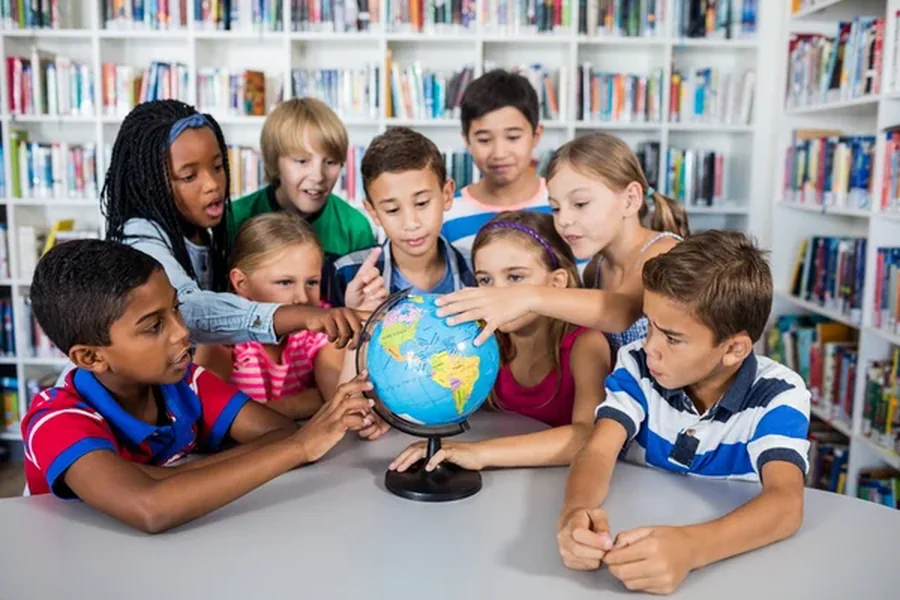
One of the most distinctive features of international education is its multicultural environment. Students from diverse cultural backgrounds come together in a shared learning space, creating a vibrant and inclusive educational community.
Exposure to different cultures enhances students’ understanding of global perspectives. Through daily interactions with peers from various nationalities, learners develop cultural awareness, empathy, and respect for diversity.
International schools actively promote inclusivity by celebrating cultural traditions and global events. Cultural celebrations, international festivals, and multicultural activities provide opportunities for students to share their heritage while learning about others.
This inclusive environment encourages open-mindedness and collaboration. Students learn to appreciate diverse viewpoints, develop cross-cultural communication skills, and build friendships that extend beyond national boundaries.
Such experiences are invaluable in preparing students to succeed in a globalised society where intercultural competence is increasingly important.
Student Support and Well-being
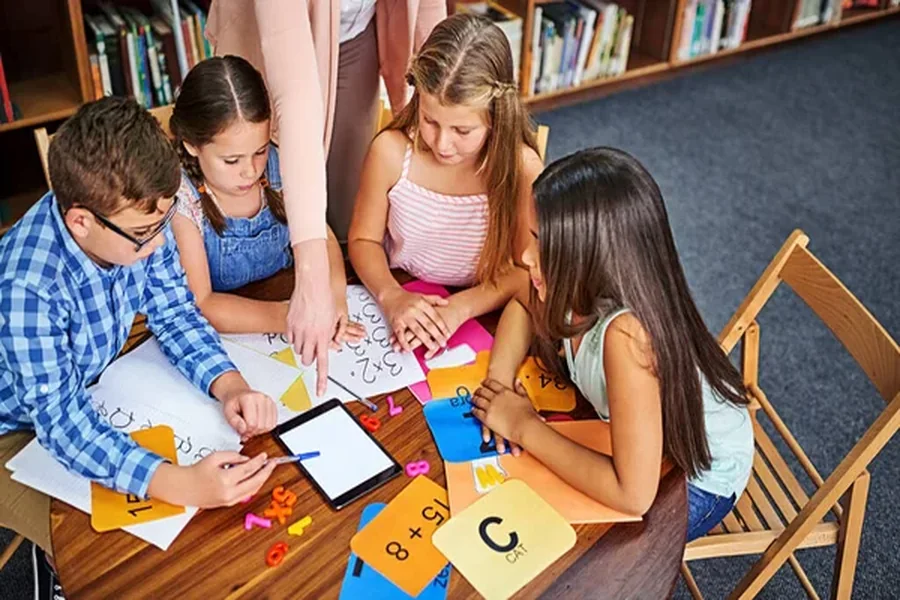
Student well-being is a central priority in international education. Academic success is closely connected to emotional, social, and psychological health, and educational institutions increasingly recognise the importance of providing comprehensive student support systems.
Guidance counsellors and student support teams work closely with learners to address academic challenges, personal concerns, and future planning. These professionals provide a safe and supportive environment where students can seek advice and guidance.
Mental health awareness has also become an important part of modern education. Schools often organise workshops and programmes that promote emotional resilience, self-awareness, and healthy coping strategies.
Strong communication between educators, students, and families further strengthens this support network. Regular discussions about academic progress and personal development help ensure that students receive the guidance they need to succeed.
By prioritising wellbeing alongside academic achievement, international schools foster a positive learning environment where students feel supported and motivated.
Conclusion
International education continues to shape the future of learning by combining academic excellence with holistic development. Through globally recognised curricula, multicultural learning environments, and innovative teaching methods, international schools prepare students for success in an increasingly interconnected world.
By fostering intellectual curiosity, cultural awareness, leadership skills, and emotional well-being, these institutions cultivate individuals who are capable of thriving academically and contributing positively to global society. As the demand for global education grows, international schools remain essential in developing the next generation of thoughtful, adaptable, and globally minded leaders.