Entertainment used to be built around a clear division. Creators made the content, distributors delivered it, and audiences consumed it. Viewers could enjoy, reject, recommend, or discuss a film, show, song, or game, but they had little direct influence over what happened next. That model still exists, but it no longer defines the full media landscape.
Interactive entertainment has changed the relationship between audience and creator. People now vote in polls, shape livestream conversations, join game worlds, influence creator decisions, fund projects, and turn fan reactions into part of the product. A user can move from a live chat to a multiplayer session, from a creator poll to a fan theory thread, or from a reference such as chicken road 2 india to another form of mobile entertainment inside the same participatory media routine.
From Passive Audience to Active Participant
Traditional entertainment asked audiences to pay attention. Interactive entertainment asks them to act. This action can be small: clicking a vote, sending a comment, choosing an option, reacting with an emoji, joining a live chat, or sharing a clip. It can also be larger: building a fan edit, playing in a shared game world, supporting a creator, or helping decide the direction of a project.
This shift matters because participation changes emotional investment. A viewer who votes in a poll may feel more connected to the result. A fan who helps promote a release may feel part of its success. A gamer who shapes a session through choices does not only watch a story; they experience agency inside it.
The audience is no longer just measuring entertainment. It is helping produce its meaning.
Gaming as the Core Model of Interaction
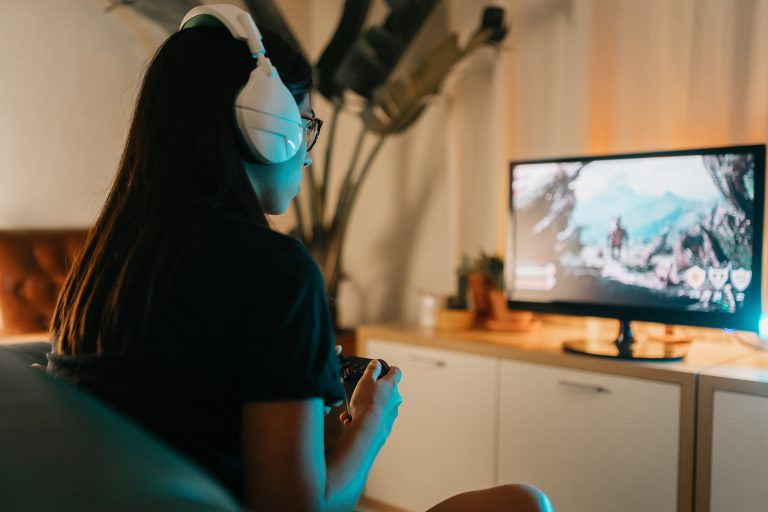
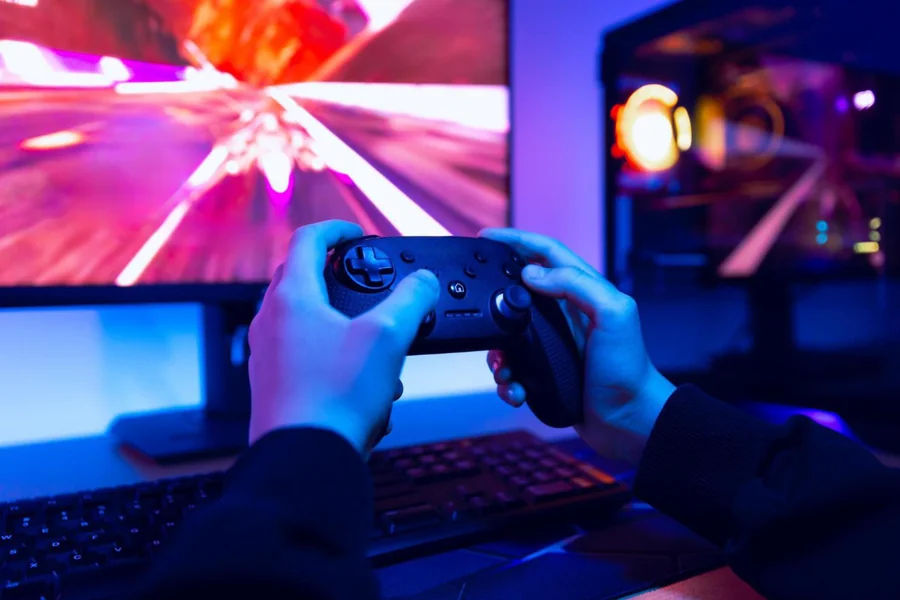
Gaming is the clearest example of interactive entertainment because it has always required participation. Unlike film or television, a game does not move forward without player input. The player chooses, reacts, fails, improves, and repeats.
What changed is that gaming became a model for other entertainment formats. Viewers now expect more control, feedback, and reward systems outside games too. They are used to progress bars, badges, leaderboards, avatars, skins, levels, customization, and real-time response. These mechanics influence how people engage with fitness apps, learning platforms, shopping experiences, livestreams, and fan communities.
Gaming also normalized social interaction inside entertainment. Multiplayer spaces are not only games; they are meeting places. Players talk, compete, cooperate, joke, and build shared memories. For many younger users, a game session can replace a phone call, a social feed, or a night out.
This makes gaming less like a single category and more like an entertainment framework.
Polls and Choice-Based Engagement
Polls have become a simple but powerful form of audience control. A creator can ask followers what topic to cover next, which outfit to wear, which product to test, which song to perform, or which challenge to attempt. The audience receives a sense of influence without needing major commitment.
This type of interaction works because it lowers the barrier to participation. A user does not need to write a full comment or create content. One tap is enough. Yet that tap creates involvement.
Polls also give creators useful data. They reveal what the audience wants, what it ignores, and which ideas create momentum. In older media systems, audience feedback arrived through ratings, reviews, ticket sales, or market research. Now feedback can arrive before the content is made.
This creates a faster loop between demand and production. Entertainment becomes less planned from above and more adjusted through audience response.
Livestreams and Real-Time Control
Livestreaming has pushed interactivity further because it turns entertainment into a live exchange. The audience can comment while the event is happening, ask questions, suggest actions, reward the streamer, challenge decisions, or influence the pace of the session.
This creates a different kind of attention. A recorded video can be watched later without losing its core value. A livestream depends on presence. The viewer feels that something is happening now and that their participation might affect it.
The chat is central. In many livestreams, the audience is not only watching the creator. It is also watching itself. Jokes, arguments, reactions, and repeated phrases become part of the experience. The entertainment is co-produced by the performer and the crowd.
This is why livestreams can feel more intimate than polished media. They are less controlled, more responsive, and more dependent on shared timing.
Fan Control and the New Power Balance
Fan control does not mean audiences fully direct entertainment. Studios, creators, musicians, and platforms still make final decisions. However, fans now have more visible influence than before.
They can push a song into popularity, revive an old show, demand a release, support a niche creator, criticize a storyline, or turn a minor character into a cultural focus. Fan edits, reaction videos, theories, and comment campaigns can change how a work is understood.
This creates opportunity and pressure. Audience participation can extend the life of entertainment and build loyalty. But it can also create unrealistic expectations. Fans may feel ownership over stories, creators, or public figures. When decisions go against fan wishes, backlash can be fast.
The new power balance is unstable. Fans have influence, but not full responsibility. Creators receive feedback, but must still protect the work.
Why Interactive Entertainment Appeals to Younger Audiences
Younger audiences grew up with platforms that reward participation. They are used to liking, commenting, reposting, voting, remixing, streaming, and playing. For them, entertainment often feels incomplete if there is no way to respond.
This does not mean passive viewing is gone. People still watch films, series, and documentaries. But even passive formats now exist inside interactive ecosystems. A show becomes a meme. A scene becomes a reaction clip. A song becomes a sound. A character becomes a debate.
The original content is only the beginning. The interactive layer keeps it alive.
The Risks of Constant Interaction
Interactive entertainment has limits. When every experience asks for input, leisure can become work. Viewers may feel pressure to comment, vote, react, or stay current. Creators may become too dependent on feedback and lose direction.
There is also the risk of shallow engagement. A poll can create the feeling of control without giving the audience meaningful influence. A livestream can create intimacy while still being commercial. A game can reward attention without offering depth.
The challenge is to design interaction that adds value rather than noise.
Conclusion: Entertainment Became a Two-Way System
The rise of interactive entertainment shows that audiences no longer want only access. They want agency, response, and participation. Gaming, polls, livestreams, and fan control all reflect the same shift: entertainment has become a two-way system.
The strongest media experiences now combine structure with flexibility. Creators provide direction, but audiences help shape meaning. Platforms deliver content, but communities extend it. Fans consume entertainment, but they also promote, remix, judge, and organize it.
This does not eliminate traditional storytelling or passive viewing. It changes the environment around them. In modern culture, entertainment does not end when the screen plays. It continues when the audience responds.