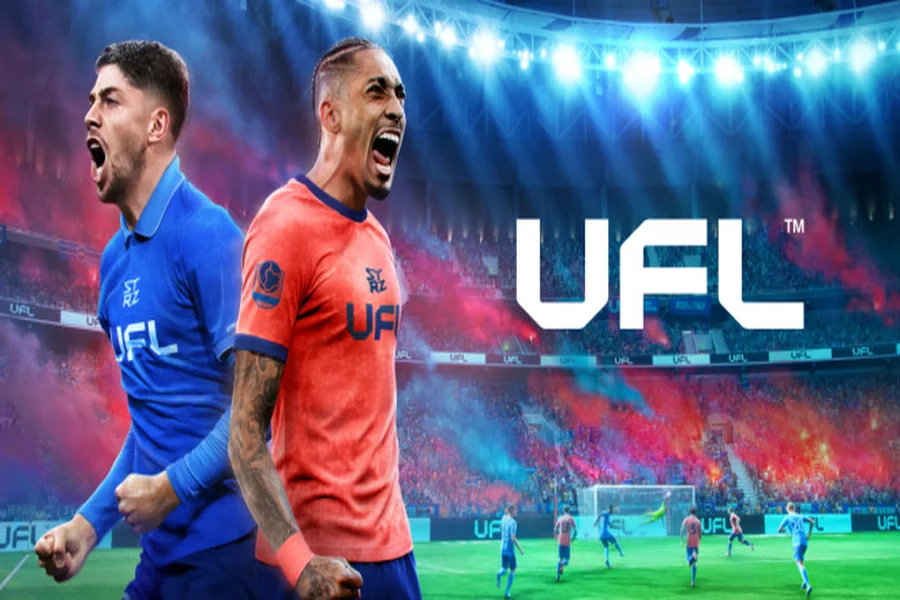
The landscape of sports video games is undergoing a massive shift as publishers move away from traditional, multi-year athlete sponsorships in favor of agile, real-time cultural partnerships. This trend is perfectly exemplified by the latest high-profile signing for the upcoming AAA soccer title, UFL on mobile.
As highlighted by RadarOnline, Cape Verdean national goalkeeper Vozinha has secured his very first commercial sponsorship deal by partnering with this ambitious gaming title. The partnership materialized after the athlete became an overnight sensation, watching his Instagram fan base skyrocket from a modest 50,000 to an astronomical 28 million following his heroic and highly emotional displays on the pitch.
How does this viral integration actually work within the context of a modern mobile football simulation? For UFL on mobile, incorporating real-world narratives means transforming sudden viral sports moments into interactive virtual content almost instantly. Rather than waiting for annual roster updates, the development team uses these organic storylines to keep the gaming community engaged, offering players the chance to interact with currently trending football stars while their real-world popularity is at its peak. This agile approach allows the developers to continuously refresh the game’s cultural relevance, creating a direct bridge between real-life tournament drama and the virtual pitch.
The success of such aggressive, real-time marketing maneuvers depends heavily on the underlying game engine and its cross-platform ecosystem. To capitalize on a sudden influx of millions of casual fans who may not be hardcore gamers, a mobile title must balance console-grade AAA visual fidelity with highly optimized, accessible touchscreen controls. It also requires a robust, scalable digital infrastructure that has already proven its stability across multiple platforms, much like UFL’s established player base of over 7 million users across PlayStation 5, Xbox Series X|S, and PC. Furthermore, maintaining user interest depends on securing authentic licenses, which is why the platform integrates official FIFPRO assets and global brand partnerships like Adidas to ensure a realistic virtual experience.
These dynamic marketing strategies are primarily utilized during major international tournaments when football fever is high and fans are actively looking for virtual outlets to replicate the drama they see on television. By using limited-time competitive events—such as the game’s ongoing Open Tournament—UFL allows players to represent their favorite nations, progress through competitive brackets, and unlock exclusive rewards. Backed by industry powerhouses like Cristiano Ronaldo, and supported by world-class ambassadors like Raphinha and Federico Valverde, this agile approach to athlete partnerships is quickly establishing UFL on mobile as a formidable challenger in the competitive sports gaming market.