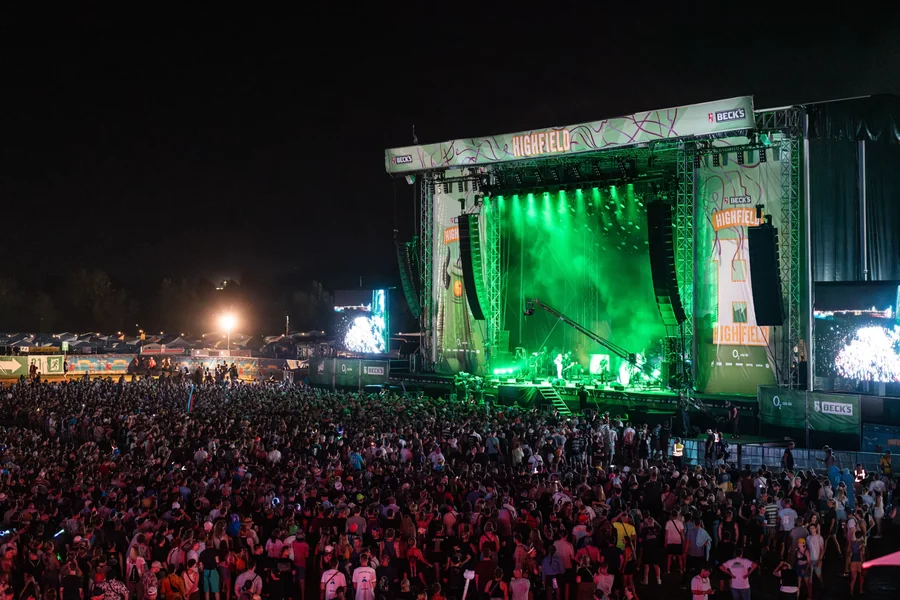
Leipzig’s club scene has quietly tripled its weekend footfall since 2019, and the city government now treats that growth as an asset worth defending rather than a nuisance to manage. Venues like Institut für Zukunft and Distillery pull in crowds from Warsaw, Prague and Vienna on a normal Friday, not just during festival season. Local tourism figures put overnight stays tied to nightlife events at roughly 340,000 in 2025, a number the city’s marketing office didn’t have a category for five years earlier.
That growth is happening while Berlin, the city Leipzig used to stand in the shadow of, keeps losing floor space to noise complaints and rising rents. Berlin closed more than 80 clubs and bars between 2015 and 2024, and several operators who couldn’t absorb the new licensing costs simply shifted spending toward smaller, licensed entertainment options they could run from home, including regulated platforms such as sankra casino, which several former promoters mentioned as a lower-overhead way to stay connected to nightlife culture without renting a venue.
The Money Leaving Berlin’s Dance Floors
A cover charge at a mid-tier Berlin club now averages €18, up from €12 in 2018, and drink prices climbed alongside it. For a generation of clubbers already stretched thin by rent, that math pushes some nights out toward cheaper alternatives, and licensed online options fill part of that gap without competing directly with the physical venues that remain open.
Three numbers explain why operators keep leaving:
- Berlin’s district councils approved 34 noise-complaint-driven closures in 2023 alone.
- The city’s nightlife mediation unit runs on a two-person staff for over 300 registered clubs.
- Average drink prices at surviving venues rose 22% between 2019 and 2025.
That staffing gap tells you how the budget priorities actually sit once a complaint is filed.
Leipzig’s Different Playbook
Leipzig’s city council passed a “protected culture zone” ordinance in 2022 that reclassifies established club addresses so new residential construction nearby has to absorb sound insulation costs, not the venue. It’s a small legal switch, but it flips who pays when a new apartment building goes up next to a 20-year-old techno room.
The Licensing Advantage
A new venue in Leipzig can get a late-license permit in about six weeks; in Berlin the same process now runs closer to five months because of a backlogged review board. That gap alone has pulled at least four operators who considered Berlin toward Leipzig instead over the past two years, based on interviews the local press ran in early 2026.
| City | Avg. license wait | Clubs closed (2015–2024) | Avg. cover charge |
| Berlin | ~5 months | 80+ | €18 |
| Leipzig | ~6 weeks | 9 | €11 |
| Hamburg | ~3 months | 22 | €15 |
The gap in cover pricing matters as much as the license timeline. Leipzig venues still run close to 2019 prices because rents in the club-heavy Plagwitz and Connewitz districts haven’t spiked the way Berlin’s Kreuzberg or Friedrichshain rents have.
What Comes After Midnight
Leipzig’s late-night economy isn’t just techno. A cluster of smaller bars around Karl-Liebknecht-Straße now stays open past 4 a.m. on weekends, something the city permitted specifically to keep foot traffic spread across more blocks instead of concentrated at two or three flagship clubs. That spread reduces the noise-complaint density that hit Berlin so hard.
Event promoters have also started publishing shared calendars so overlapping nights don’t cannibalize each other’s crowds, a coordination trick Berlin’s more fragmented scene never really adopted. It sounds minor, but it’s kept average midweek attendance stable even as new venues opened.
Can Leipzig Hold the Line
The same forces that hollowed out Berlin’s scene are already visible on Leipzig’s edges. Rent in Plagwitz rose 14% between 2023 and 2025, and at least one long-running venue has already received a noise complaint from a newly built residential block. City officials say the 2022 ordinance should shield existing clubs from exactly that kind of complaint, but it hasn’t been tested in court yet.
What Leipzig has that Berlin didn’t in 2015 is a documented playbook to point to, and a council willing to reference Berlin’s numbers when residents push back on a new venue. Promoters who lived through Berlin’s decline say the difference isn’t the ordinance itself but how fast the city cites it in a hearing, before a complaint turns into months of legal back-and-forth. Whether that’s enough to hold through another decade of growth is the open question the city is now betting on, and one every club owner in Plagwitz is watching closely.