
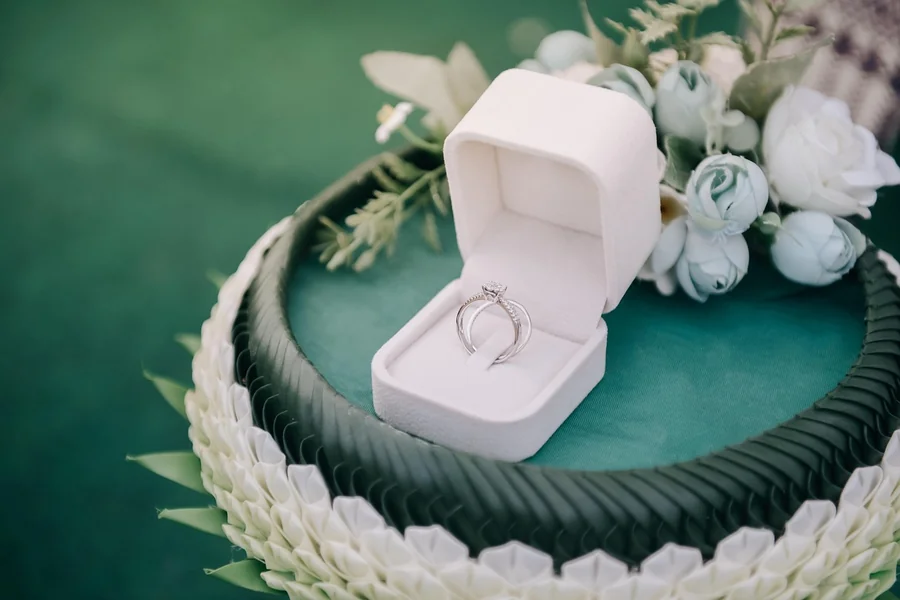
A wedding can turn ordinary moments into public events: a watched entrance, public vows, posed photos, speeches, dances, and traditions built around everyone looking in the same direction. For people who dislike that feeling, the event design can lower the pressure. Clothing matters as well, since a highly formal outfit may increase the sense of being displayed. Choosing custom made wedding dresses with restrained details, familiar shapes, or an easy fit can help the wearer feel like herself throughout the day.
The same idea can guide the full celebration. A couple can reduce the audience, remove staged moments, and build private breaks into the schedule. Boutiques such as MISSIA can support personal dress choices, while the venue, ceremony plan, and photo brief carry that approach through the wedding. The result is a day based on shared participation, with fewer moments that resemble a public performance.
Choose a Ceremony Format With Less Public Focus
Ceremony format has the biggest effect on how exposed a couple feels. A traditional aisle entrance puts one person in front of a seated room while every guest turns to watch. Longer ceremonies may add readings, formal cues, and repeated standing, all of which keep attention fixed on the couple. A shorter format can preserve the legal and emotional parts while reducing time in front of an audience.
Several structures suit people who prefer less public focus:
- Enter together.The couple can greet guests first, then walk into the ceremony side by side.
- Begin among the guests.Everyone can gather in a circle, around a long table, or in a garden without formal rows.
- Complete the legal ceremony privately.A meal or party can follow later, with a brief welcome instead of a second ceremony.
- Exchange personal vows separately.The public service can use simple standard wording.
- Sit during the ceremony.Chairs for the couple and officiant create a conversational setup rather than a stage-like one.
People who experience social anxiety may also benefit from knowing each step in advance. A written outline, a short rehearsal, and a clear signal for pauses can reduce uncertainty. Therefore, the couple can focus on the words instead of tracking what happens next.
Keep the Guest Count and Entrances Under Control
Guest count changes the emotional scale of a wedding. Twenty people create a lower level of public attention than 150, even when the schedule stays the same. A small group also makes it easier to speak with each guest during normal conversation. For the guest list, one useful question is whether the couple would choose to share a long dinner with each person. That standard is clearer than inviting someone because of family rank, workplace history, or habit. It can also guide decisions about plus-ones and distant connections.
Entrances deserve the same attention. The couple may arrive before guests, join through a side path, or start with a welcome drink where everyone mixes together. At the reception, they can enter without an announcement and sit down before dinner begins. A first dance can start after other guests are already on the floor.
Finally, you should plan your breaks. A private room, patio, hotel suite, or parked car can provide ten minutes between the ceremony, photos, and dinner. Treat those ten minutes as fixed. Otherwise, they tend to disappear under extra photos, quick questions, and last-minute tasks.
Use Photography and Traditions Selectively
Photography can create as much pressure as the ceremony. A long portrait list asks the couple to repeat smiles, hold poses, and wait while groups are arranged. A shorter list keeps a record of the day while limiting direct attention.
A focused photo brief may include:
- Candid coverage during conversations, meals, and movement.
- A small set of family groupings completed in one place.
- Couple portraits taken during a walk.
- No table-by-table photos or repeated kissing prompts.
- No staged getting-ready images unless requested.
A photographer who works in documentary-style photography can record interactions without directing every minute. However, the couple should name any moments they want captured, such as a parent’s reaction, a private letter exchange, or the licence signing.
Traditions can also be selected one by one. A couple may keep a short cake cutting, skip the bouquet toss, replace speeches with written notes, and serve dinner without a grand entrance. Toasts can happen at individual tables rather than through a microphone, while gifts can be opened later in private.
Moreover, vendors should receive a written brief that lists private moments, planned breaks, permitted announcements, and the person who may approve schedule changes. This prevents surprise games, extra speeches, or calls for public affection from appearing during the event.
Start With Your Usual Style
Clothing affects posture, movement, and self-awareness. Heavy structure, a long train, or layers that require help can make each entrance feel more formal. A lighter dress, jumpsuit, tailored set, or short hem can reduce adjustments and support natural movement.
Colour creates plenty of room for brides who don’t want to look bridal. Five useful options are smoky blue, warm champagne, soft silver, a small floral print, and deep cream. Fabric matters too. Matte silk and crepe tend to photograph with less shine, while lighter materials are easier to move in.
Moreover, custom wedding dresses can turn a familiar idea into an occasion-ready outfit. A favourite neckline may be paired with longer sleeves, better support, a softer lining, or a hem designed for flat shoes. These details can reduce the need to check or adjust the outfit throughout the day.
Custom-made wedding gowns may also feature pieces that attach and detach in minutes. Five practical examples include a cape, overskirt, train panel, sleeves, and a detachable bow. The ceremony can have a more formal look, while the reception outfit stays light and easy to wear.
A Personal Wedding With Less Public Display
A low-attention wedding comes from connected choices: a compact guest list, a ceremony without a staged solo entrance, limited posed photography, familiar clothing, and traditions selected for a clear purpose. Private vows, shared arrivals, scheduled breaks, and direct vendor instructions can further reduce pressure.
Those decisions work best when they support one another. A relaxed ceremony followed by a heavily staged reception can bring the pressure straight back. Clear communication with vendors helps avoid surprise speeches, public games, and repeated calls for attention. It simply keeps the couple involved in the celebration without making every minute revolve around being watched.



One Comment