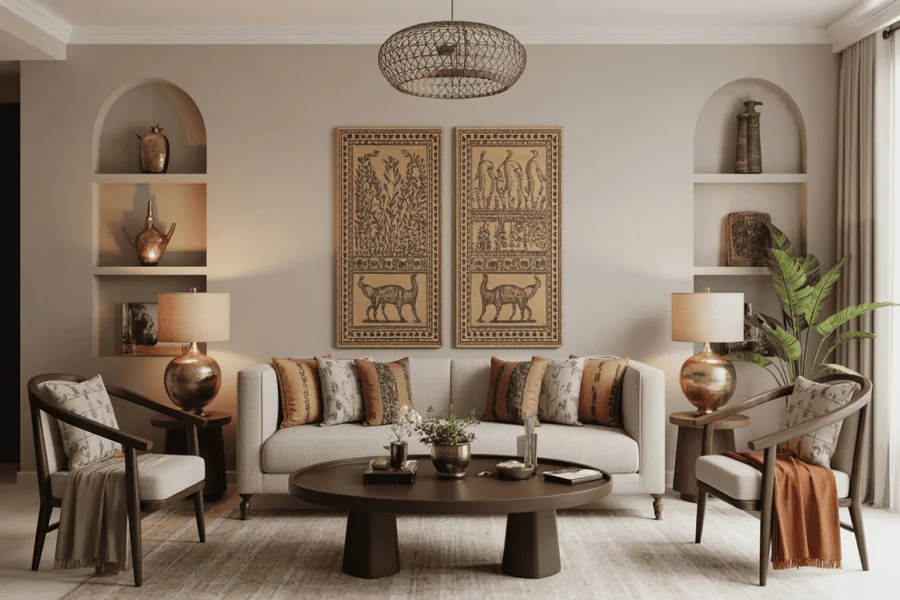
Your home is more than just a place to live. It is a reflection of your personality, lifestyle, and sense of comfort. Modern home décor has moved beyond simply following fashionable styles. Today, homeowners are looking for interiors that combine beauty, functionality, comfort, sustainability, and personal expression. The right décor choices can completely transform an ordinary room without requiring a major renovation.
Whether you live in a spacious house, a compact apartment, or a rented property, modern décor trends offer plenty of ways to refresh your surroundings. From natural materials and earthy colors to multifunctional furniture and statement lighting, these trends can help create a home that feels stylish, welcoming, and practical.
1. Embrace Natural Materials
Natural materials have become a major feature of modern interior design. Wood, stone, bamboo, rattan, jute, linen, and cotton can introduce warmth and texture into a living space. Unlike overly polished materials, natural elements create a relaxed and welcoming atmosphere.
A wooden coffee table, rattan chair, woven basket, or linen curtains can instantly make a room feel more comfortable. Natural materials also work well with different design styles, including contemporary, minimalist, rustic, and Scandinavian interiors.
You do not need to completely redesign your room to embrace this trend. Adding a few natural accessories or replacing one furniture piece can be enough to create a noticeable difference.
2. Choose Warm and Earthy Colours
Neutral colours continue to be popular, but modern interiors are increasingly moving toward warmer shades. Beige, cream, terracotta, olive green, sand, caramel, and warm brown can make rooms feel cozy while maintaining a sophisticated appearance.
These colours can be introduced through walls, furniture, rugs, cushions, curtains, or artwork. If you prefer a simple look, keep the walls neutral and use earthy tones as accents. For a bolder transformation, consider painting one wall in a warm shade to create an attractive focal point.
The advantage of earthy colours is that they are easy to combine with natural wood, plants, metal accents, and soft fabrics.
3. Create a Modern Minimalist Look
Minimalism remains one of the most influential décor trends, but modern minimalism is not about making a home look empty. Instead, it focuses on intentional design and eliminating unnecessary clutter.
Choose furniture that is practical and visually simple. Keep surfaces organized and avoid filling every corner with decorative objects. A few carefully selected accessories can have more impact than a large collection of unrelated items.
Modern minimalism also encourages homeowners to invest in quality pieces that can serve a purpose for many years. This creates a clean, peaceful environment while making everyday life easier.
4. Invest in Multifunctional Furniture
With many people living in smaller homes and apartments, multifunctional furniture has become increasingly valuable. Furniture that serves multiple purposes allows homeowners to make better use of limited space.
Storage ottomans, sofa beds, extendable dining tables, nesting tables, folding desks, and beds with built-in drawers are excellent examples. These pieces provide functionality without compromising style.
Multifunctional furniture is especially useful in rooms that need to serve several purposes. A living room, for example, can function as a place for relaxation, entertainment, work, and occasional sleeping when the furniture is chosen carefully.
5. Make Lighting a Design Feature
Lighting can dramatically change the appearance and mood of a room. Modern home décor treats lighting as both a functional necessity and an important design element.
Statement pendant lights, sculptural floor lamps, contemporary chandeliers, and decorative table lamps can serve as focal points. Instead of depending on one ceiling light, consider using several sources of light throughout the room.
Layered lighting allows you to create different moods. Bright lighting can support work and daily activities, while softer, warmer lighting can create a relaxing atmosphere in the evening.
Whenever possible, make the most of natural light by keeping windows unobstructed and using curtains that allow sunlight to enter during the day.
6. Bring Nature Indoors
Indoor plants continue to be a popular way to add life and colour to modern interiors. Plants can brighten empty corners, decorate shelves, and complement neutral furniture.
Large plants can become statement pieces, while smaller plants can be placed on desks, tables, or windowsills. If you have limited time for plant care, choose varieties that require minimal maintenance.
The idea goes beyond simply adding plants. Natural textures, organic shapes, sunlight, wooden furniture, and nature-inspired colours can all help create a stronger connection with the outdoors.
7. Add Curves and Organic Shapes
Modern interiors are increasingly moving away from rigid lines and sharp angles. Curved sofas, round coffee tables, arched mirrors, circular rugs, and furniture with soft edges can create a more relaxed and inviting appearance.
Curved elements can also balance rooms that contain many straight lines. For example, a round coffee table can soften the appearance of a rectangular sofa and square furniture pieces.
You can embrace this trend without replacing your entire furniture collection. An arched mirror, rounded lamp, or circular side table can introduce softer shapes in a subtle way.
8. Mix Modern and Vintage Elements
A home does not need to look as though everything was purchased from the same collection. Combining modern pieces with vintage or traditional elements can create a more interesting and personalized interior.
A contemporary sofa can be paired with an antique cabinet, vintage mirror, traditional artwork, or an old wooden table. This combination creates contrast and gives the room a sense of history and personality.
Mixing styles also allows homeowners to keep meaningful family furniture or sentimental objects while updating the rest of the room.
9. Use Textures to Add Depth
Texture is an important part of modern décor because it prevents neutral spaces from looking flat or boring. Combining different materials can create visual interest even when the colour palette is simple.
Consider pairing a soft fabric sofa with a woven rug, wooden furniture, ceramic accessories, and textured cushions. Blankets, curtains, rugs, and upholstered furniture can also make a room feel warmer and more comfortable.
The goal is to create balance rather than overwhelm the space. A few contrasting textures can be enough to make a noticeable impact.
10. Personalize Your Living Space
One of the most important modern décor trends is personalization. A stylish home should still feel like it belongs to the people who live there.
Display family photographs, artwork, travel souvenirs, books, handmade objects, or other meaningful pieces. These details can tell a story and make a home feel authentic.
Instead of copying an entire look from a magazine or social media, use current trends as inspiration and adapt them to your own preferences. Your home should reflect your lifestyle rather than simply follow what is fashionable.
11. Focus on Sustainable Choices
Sustainability is becoming an increasingly important consideration in home décor. Many homeowners are choosing durable furniture, natural materials, second-hand pieces, and products made with environmentally conscious practices.
Natural and plant-based materials can also be incorporated into home décor in creative ways. For example, hemp-based products can complement interiors that emphasize natural textures and environmentally conscious choices. For homeowners interested in exploring best hemp flower, Wholesale Hemp Farms offers hemp-related products that may appeal to those looking for plant-based options.
Conclusion
Modern home décor is ultimately about creating a balance between style, comfort, functionality, and individuality. Natural materials, warm colours, minimalist designs, multifunctional furniture, statement lighting, indoor plants, curved shapes, layered textures, and personalized accessories can all transform a living space.
The key is to choose trends that work with your home and lifestyle rather than trying to incorporate everything at once. Small changes can often produce a surprisingly large effect. Rearranging furniture, adding a few plants, introducing warmer colours, improving lighting, or replacing outdated accessories can completely change the atmosphere of a room.
A truly modern home is not simply one that looks fashionable. It is a space that feels comfortable, works efficiently, reflects your personality, and adapts to your everyday needs. By combining timeless choices with carefully selected modern trends, you can create a living space that remains beautiful, functional, and welcoming for years to come.