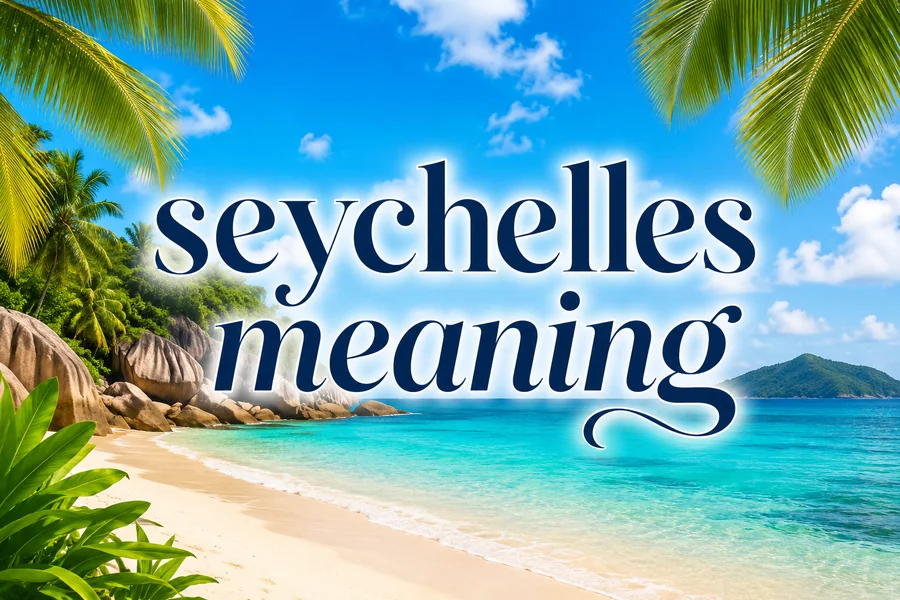
The Seychelles meaning refers to a group of islands in the Indian Ocean known as a country made up of 115 islands. The name “Seychelles” comes from a French finance official and reflects its colonial history. In modern use, the Seychelles meaning often relates to geography, travel, tourism, and tropical island life. It is also linked with natural beauty, ocean ecosystems, and island culture.
What is Seychelles Meaning?
The Seychelles meaning is mainly a geographical and historical term. It refers to an island nation located in the Indian Ocean, northeast of Madagascar.
Seychelles is not just a place name. It represents:
- A tropical island country
- A group of 115 islands
- A tourism destination
- A biodiverse marine ecosystem
In simple terms, the Seychelles meaning is “a tropical island nation made of many small islands in the Indian Ocean.”
Origin of the Name Seychelles
The name “Seychelles” comes from French colonial history.
- It was named after Jean Moreau de Séchelles
- He was a French finance minister in the 18th century
- The French used the name during colonial administration
So, the Seychelles meaning is tied to both geography and European history.
Read Also: IGHT Mean in Text
Seychelles Meaning in Geography
From a geographic point of view, the Seychelles meaning includes the following:
- Location: Western Indian Ocean
- Distance: Northeast of Madagascar
- Structure: 115 islands (main and outer islands)
- Capital: Victoria (on Mahé Island)
Quick Geography Table
| Feature | Detail |
| Location | Indian Ocean |
| Total Islands | 115 |
| Main Island | Mahé |
| Capital | Victoria |
| Region | East Africa |
Seychelles Meaning in Travel and Tourism
In travel, the Seychelles meaning is strongly connected to
- Beaches with clear water
- Coral reefs and marine life
- Luxury tourism and resorts
- Eco-tourism and nature parks
Many travelers use the word “Seychelles” to describe a peaceful island escape.
Seychelles Meaning in Culture and Identity
Culturally, the Seychelles meaning includes the following:
- Creole heritage
- French and African cultural influence
- Island lifestyle
- Fishing and coastal traditions
It represents a small but diverse island society.

Quotes About Guilty Conscience (150+ Quotes Across 10 Categories)
Below are structured quote sets about guilty consciences, organized for clarity and SEO readability.
1. Guilty Conscience and Self-Reflection
- A guilty conscience never stays quiet.
- You cannot hide from your own thoughts.
- Silence often carries hidden guilt.
- A guilty mind replays every moment.
- Truth always returns in thoughts.
- You feel it even when no one sees it.
- Reflection exposes hidden guilt.
- The mind remembers what the heart tries to forget.
- Guilt grows in silence.
- Every thought becomes heavier with guilt.
- You cannot outrun your own memory.
- Self-reflection reveals truth.
- Guilt speaks in quiet moments.
- Your thoughts know what you did.
- A guilty conscience repeats the past.
2. Guilty Conscience and Honesty
- Honesty removes the weight of guilt.
- Lies create lasting guilt.
- Truth clears the mind.
- A guilty conscience fears honesty.
- Dishonesty always returns as guilt.
- Truth may hurt but frees you.
- Lies stay longer in memory.
- Honest words end inner conflict.
- Guilt grows where truth is missing.
- Honesty heals inner pressure.
- A lie never feels light.
- Truth ends silent suffering.
- Guilt disappears with honesty.
- Lies always demand a price.
- Truth restores peace.
3. Guilty Conscience and Regret
- Regret is guilt in motion.
- You cannot change the past.
- Guilt grows from wrong choices.
- Regret stays longer than action.
- Every mistake creates memory.
- You feel regret before forgiveness.
- The past never stays silent.
- Regret repeats in thoughts.
- Guilt is delayed regret.
- Every action has reflection.
- Regret teaches through pain.
- You cannot erase memory.
- Guilt and regret walk together.
- Mistakes return as thoughts.
- Regret is a quiet punishment.
4. Guilty Conscience and Inner Peace
- Guilt blocks inner peace.
- Peace comes after truth.
- A guilty mind never rests.
- Calm needs honesty.
- Guilt disturbs every quiet moment.
- Peace and guilt cannot stay together.
- Inner peace demands clarity.
- Guilt interrupts sleep.
- A clean mind feels lighter.
- Peace grows after confession.
- Guilt keeps the mind active.
- Silence is not peace when guilty.
- Peace follows accountability.
- A heavy mind finds no rest.
- Forgiveness restores peace.
Read Also: Soda Tab – Its Meaning
5. Guilty Conscience and Fear
- Guilt creates hidden fear.
- Fear grows from wrongdoing.
- A guilty mind expects consequences.
- Fear follows every lie.
- Guilt makes you overthink.
- Fear and guilt connect deeply.
- Wrong actions create anxiety.
- A guilty conscience stays alert.
- Fear of truth never fades.
- Guilt builds inner tension.
- You fear what you did.
- Consequences live in thoughts.
- Fear is guilt in disguise.
- Guilt keeps you awake.
- Every lie creates fear.
6. Guilty Conscience and Truth Exposure
- Truth always finds a way out.
- Guilt cannot stay hidden forever.
- Reality exposes hidden actions.
- Truth removes silence.
- Guilt appears when truth rises.
- Nothing stays buried forever.
- Exposure ends denial.
- Truth breaks mental walls.
- Guilt is revealed by time.
- Secrets lose strength.
- Truth removes inner pressure.
- Guilt weakens with honesty.
- Everything hidden returns.
- Truth is unavoidable.
- Exposure brings clarity.
7. Guilty Conscience and Relationships
- Guilt damages trust.
- Relationships suffer from lies.
- Honest love removes guilt.
- Guilt builds distance.
- Trust breaks with dishonesty.
- Love feels heavy with guilt.
- Secrets weaken bonds.
- Guilt creates emotional distance.
- Truth restores connection.
- Relationships need honesty.
- Guilt changes behavior.
- Love cannot survive lies.
- Truth heals relationships.
- Hidden actions hurt trust.
- Guilt destroys closeness.
8. Guilty Conscience and Mindset
- Guilt shapes thinking.
- A guilty mind stays active.
- Thoughts become heavier.
- Mind repeats mistakes.
- Guilt changes perspective.
- Mental peace gets disturbed.
- Overthinking comes from guilt.
- Mind never feels settled.
- Guilt controls thoughts.
- Thinking becomes emotional.
- A guilty mind cannot relax.
- Mental pressure increases.
- Thoughts circle endlessly.
- Guilt affects focus.
- Mind reflects actions.
9. Guilty Conscience and Consequences
- Every action has results.
- Guilt is emotional consequence.
- You face your choices.
- Consequences stay in memory.
- Guilt is internal punishment.
- Actions return in thoughts.
- Nothing goes unnoticed forever.
- Consequences shape guilt.
- Responsibility brings awareness.
- Guilt follows decisions.
- Every choice matters.
- Actions create reflection.
- Consequences are unavoidable.
- Guilt is delayed result.
- Choices return mentally.
10. Guilty Conscience and Forgiveness
- Forgiveness reduces guilt.
- Letting go heals the mind.
- Guilt fades with acceptance.
- Forgiveness brings peace.
- You must forgive yourself.
- Guilt weakens over time.
- Healing starts with truth.
- Forgiveness ends inner conflict.
- Peace comes after release.
- Self-forgiveness is powerful.
- Guilt cannot survive acceptance.
- Forgiveness clears thoughts.
- Healing replaces regret.
- Letting go restores balance.
- Forgiveness ends suffering.
Final Thought
The Seychelles meaning is simple but rich in geography, history, and travel identity. It represents a peaceful island nation in the Indian Ocean. At the same time, understanding related human emotions like a guilty conscience helps explain how meaning and mindset shape human experience in different ways.