Many people believe that tooth decay is a simple issue caused solely by eating too much candy. In reality, the development of a cavity is a complex biological process that goes far beyond a sweet tooth. While sugar certainly plays a role, several lesser-known factors contribute to the deterioration of your enamel.
Understanding these underlying biological processes is key to helping you prevent decay entirely. Whether you are trying to preserve your natural smile or exploring restorative options like dental implants in Winchester, VA, taking control of your oral health begins with knowing what is actually happening inside your mouth.
The Biology of an “Acid Attack”
Tooth decay, or dental caries, does not happen overnight. It is a gradual demineralization of the tooth’s hard outer surface, known as the enamel. This breakdown is driven by a constant chemical reaction between bacteria, food particles, and your saliva.
Your mouth is naturally home to hundreds of species of bacteria. While many are harmless, certain strains—such as Streptococcus mutans—feed on the sugars and starches left behind after meals. As these bacteria consume carbohydrates, they organize into a sticky, colorless film called plaque. If plaque is not removed through daily brushing and flossing, it clings to the tooth surface and hardens into tartar.
The actual damage to your teeth begins when these bacteria release acids as a byproduct of digestion. These acids are potent enough to strip away essential minerals like calcium and phosphate from your enamel. While saliva naturally works to neutralize these acids and rebuild the minerals (a process called remineralization), frequent sugar intake and poor hygiene cause the “acid attacks” to outpace your mouth’s ability to heal itself.
Surprising Culprits Behind Decay
While poor brushing and sugary diets are the most common causes of cavities, several hidden risk factors can speed up the demineralization process:
- Dry Mouth (Xerostomia): Saliva is your mouth’s natural defense mechanism. It washes away food debris, neutralizes plaque acids, and contains minerals that strengthen enamel. When saliva production is reduced due to dehydration, medications, or medical conditions, your teeth lose this protection, significantly increasing your cavity risk.
- Frequent Snacking: Every time you eat a meal or snack, your mouth undergoes an acid attack that lasts for 20 to 30 minutes. Constant grazing means your teeth are exposed to acidic environments with no time to recover or remineralize.
- Genetics and Tooth Structure: Your genetic makeup can influence the strength of your enamel, the shape of your teeth, and even the natural composition of your saliva. Deep grooves in your molars can trap plaque, making those areas highly vulnerable to decay despite regular brushing.
- Lifestyle Factors: Habits such as smoking or excessive alcohol use weaken the mouth’s natural immune defenses. Additionally, high stress can lead to bruxism (teeth grinding), which fractures and wears down protective enamel, exposing the sensitive layers beneath to bacterial invasion.
The Stages of Tooth Decay
When decay goes untreated, it progresses through several distinct, increasingly severe stages:
- Enamel Erosion: This is the earliest stage, often appearing as chalky white spots on the teeth. Because enamel lacks nerves, there is no pain, and the decay can often still be reversed with professional fluoride treatments.
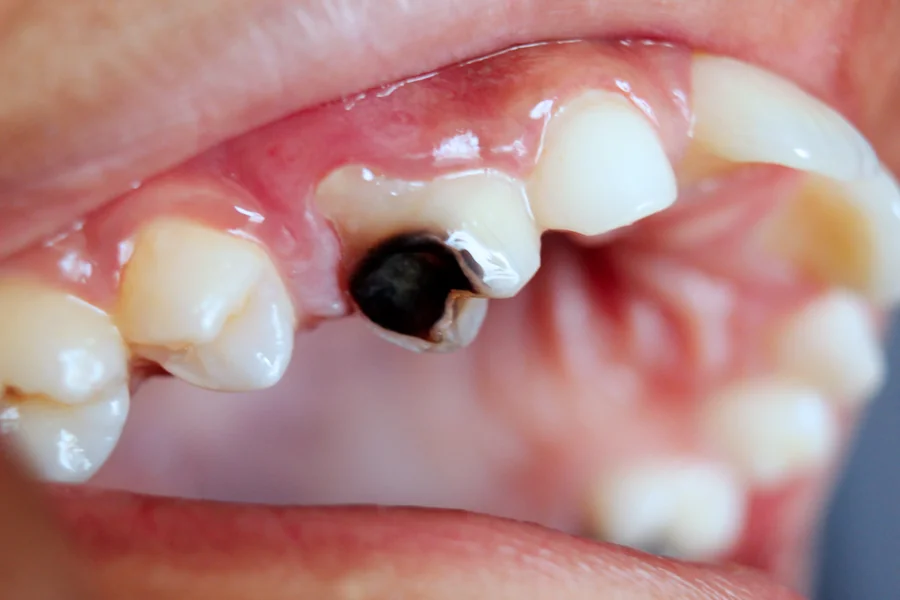
- Cavity Formation: As the enamel structure collapses, a permanent hole or cavity forms.
- Dentin Penetration: Once decay breaks through enamel, it reaches the dentin. This layer is softer and connected to the tooth’s nerves, resulting in sensitivity to hot, cold, or sweet substances.
- Pulp Infection: In its most advanced stage, the bacteria reach the pulp—the innermost chamber of the tooth containing blood vessels and nerves. This results in severe pain, infection, or a dental abscess, which usually requires a root canal or extraction.
Preventing Decay and Restoring Your Smile
The good news is that tooth decay is highly preventable. A robust prevention strategy includes brushing twice daily with fluoride toothpaste, flossing to remove plaque between teeth, limiting snacking, and staying hydrated.
Equally important are routine dental checkups and cleanings. These visits allow a dentist to identify early signs of demineralization before they turn into painful, expensive problems.
However, if severe decay has already resulted in tooth loss, modern restorative dentistry offers highly reliable, permanent options. For those seeking to restore their smile’s natural function and aesthetic, exploring treatment options like dental implants in Winchester, VA provides a durable, lifelike solution that preserves your remaining jawbone and prevents adjacent teeth from shifting.
Protecting your smile is an investment in your confidence and overall health. By understanding how decay begins, you can take active, informed steps to keep your teeth strong, functional, and cavity-free for a lifetime.