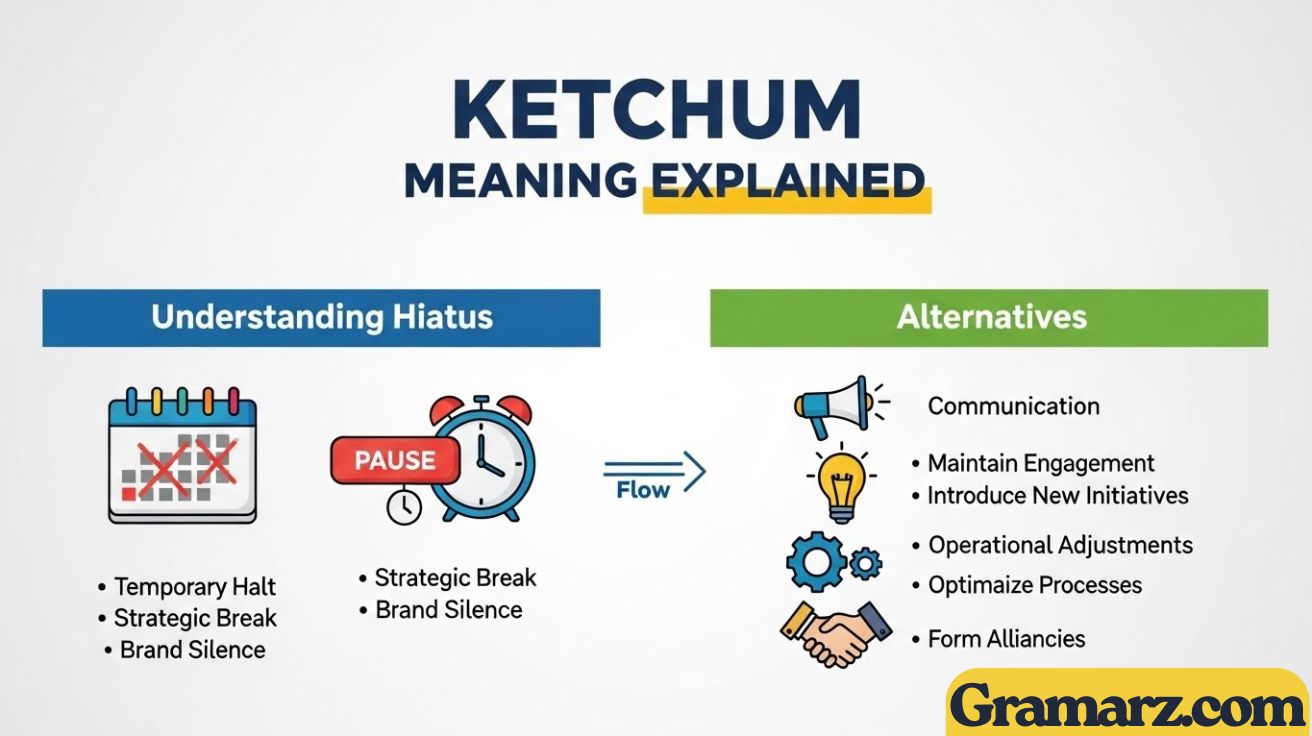
Ketchum meaning is a word that comes from an English surname. It shows ambition, determination, and a goal-oriented mindset. People also use it as slang to describe someone working very hard or chasing their dreams.
Many people know Ketchum meaning because of Ash Ketchum in Pokémon. He works hard to catch every Pokémon. His story makes the word exciting and easy to remember. It shows energy, focus, and never giving up.
Today, Ketchum meaning is used in modern language and online. People use it as a verb or adjective to show effort and passion. It is popular in social media and casual talks. The word also inspires motivation and youthful drive.
What Does “Ketchum” Mean?

The meaning of Ketchum is multi-layered, spanning historical roots, pop culture references, and modern slang. At its core, it represents more than just a name; it embodies energy, ambition, and youthful drive. For readers in the USA, understanding this term can help in both social and professional contexts, especially when discussing expressive language, motivation, or passionate pursuit of goals.
Etymological Roots
Historically, Ketchum is an English surname. Many English surnames originated from geographic locations, professions, or descriptive traits of individuals. The name Ketchum is thought to derive from a locational origin, possibly referring to a small settlement or homestead. In old English, similar words would describe a “settlement” or a “homestead,” indicating the family’s connection to a particular place or land.
Although these historical roots ground the name in geography and lineage, today the meaning of Ketchum has been significantly shaped by pop culture, media, and social interaction. Understanding the etymology of Ketchum gives depth to its modern interpretations and slang usage.
Pop Culture Recognition
Most people today recognize the term Ketchum through Ash Ketchum, the main character of the Pokémon series. This Ash Ketchum reference has become iconic, as Ash’s journey is characterized by relentless pursuit, youthful drive, and a goal-oriented mindset. The clever play on words in the Pokémon catchphrase “Gotta catch ‘em all!” has further embedded Ketchum pop culture into everyday language.
In modern discussions, referring to someone as being “in Ketchum mode” implies they are fully committed, ambitious, and all-in toward their goals. Whether talking about a student working on exams, an entrepreneur launching a startup, or a creative pursuing passion projects, the meaning of Ketchum resonates with motivation in action.
Modern and Slang Usage of “Ketchum”
Today, Ketchum usage in sentences has expanded beyond the Pokémon reference. It has entered online communities and social media as modern slang terms to describe people, energy, or actions that show high levels of commitment, intensity, and enthusiasm.
Ketchum as a Verb (Informal)
Informally, people sometimes use Ketchum as a verb to describe the act of chasing goals with relentless energy. For example, one might say, “He’s been Ketchum-ing his dreams since college,” or “Once she sets a goal, she Ketchums it until she achieves it.” These sentences reflect not only enthusiastic pursuit of goals but also a sense of hyper-focused energy and ambition and determination.
Ketchum as an Adjective (Slang)
As an adjective, Ketchum describes people, events, or energy that embodies dedication, chaos, or high intensity. For example, “That startup pitch was so Ketchum—wildly passionate but a bit unorganized,” or “His workout routine is full-on Ketchum. No breaks, no excuses.” In these cases, Ketchum as an adjective conveys not just energy but also the emotional tone of being fully committed, emphasizing a goal-oriented mindset.
What Does “Hiatus” Mean?

Alongside exploring Ketchum meaning, understanding a hiatus is essential. Whether in work, study, or creative pursuits, knowing how to use a pause effectively can enhance productivity, focus, and overall wellbeing.
Simple Definition
A hiatus refers to a temporary pause, break, or interruption. The word originates from the Latin term hiare, meaning “to gape” or “open,” which implies an opening or break in continuity. In English, hiatus meaning often describes intentional interruptions, whether in routines, careers, or series. The term is versatile, used both in professional and personal contexts, and is associated with temporary suspension rather than permanent endings.
Usage in Sentences
Using hiatus meaning in sentences can clarify its application. For example, “The singer took a hiatus from performing to focus on her health,” or “Our podcast is on a short hiatus while we revamp content.” In the social media era, people also use it as “He’s taking a social media hiatus to concentrate on real-life goals.” Each usage reflects a deliberate choice to step back from work or responsibilities, often resulting in greater focus and clarity.
Connotation of “Hiatus”
Unlike words like “stop” or “quit,” hiatus carries a neutral to positive connotation. It implies a pause that is planned, thoughtful, and beneficial. For instance, creative professionals often take a sabbatical leave or a break to rejuvenate ideas. In the workplace, a team may scale down operations temporarily to reorganize resources. Thus, the hiatus meaning encompasses both a break and an opportunity for renewed motivation in action.
Alternative Phrases for “Hiatus” and “Ketchum-Like Energy”
Language offers multiple ways to express pauses and intense commitment. Choosing the right phrase depends on tone, scenario, and intent. The following alternatives help convey similar meanings while maintaining clarity and appropriateness.
1. Taking a Breather
This casual phrase communicates a short rest or pause, ideal for personal conversations. For example, “I’m taking a breather from work to clear my head.” It reflects a casual pause alternative that emphasizes recovery without implying disengagement.
2. Pressing Pause
Slightly more formal, pressing pause suggests a temporary interruption with intent to resume. A professional might say, “We’re pressing pause on the project to rethink our approach,” signaling a temporary suspension that is deliberate.
3. On Hold
Common in procedural and professional settings, on hold indicates that activities are officially suspended. For instance, “The negotiations are on hold until next quarter,” conveys a professional break terminology that is neutral and widely understood.
4. On Sabbatical
Often used in academic or professional contexts, sabbatical leave refers to a planned period away from work or teaching. “She’s on sabbatical to write her second book,” exemplifies how a hiatus can be productive, allowing for reflection and goal chasing expressions.
5. Taking Time Off
A universal and polite term, taking time off works in both professional and casual settings. “He’s taking time off to focus on family,” communicates a conscious pause or interruption while maintaining respect for responsibilities.
6. Stepping Back
This phrase implies a gentle, respectful withdrawal. “She’s stepping back from her leadership role for now,” highlights intentional taking a break to reassess or recover, emphasizing mindfulness and focus.
7. Pausing for Reflection
Used in thoughtful or personal contexts, pausing for reflection allows one to reassess priorities. “I’m pausing for reflection before deciding my next steps,” demonstrates a deliberate casual pause alternative that enhances clarity and decision-making.
8. Scaling Down
A professional and strategic phrase, scaling down suggests reducing activity temporarily. “The team is scaling down operations while restructuring,” is a formal application of temporary suspension, often used in business or organizational contexts.
9. All In
Reflecting Ketchum-like energy, “all in” conveys total commitment. “She’s all in with her new business idea,” represents enthusiastic pursuit of goals and a complete goal-oriented mindset.
10. Hyper-Focused
A professional term denoting intense concentration. “During product launch season, he becomes hyper-focused,” shows a Ketchum slang-inspired commitment to objectives, reflecting productivity and focus.
11. Giving It My All
Applicable in both casual and formal contexts, this phrase conveys investing full effort and emotion. “I’m giving it my all in preparing for the exams,” highlights a personal application of ambition and determination, and mirrors the relentless pursuit seen in Ketchum pop culture.
The Evolution of Ketchum: From Surname to Slang
The term Ketchum started as an English surname linked to settlements or homesteads. Over time, it became popularized through media and pop culture, especially in the USA. This evolution shows how historical words can gain new life and meaning in modern language, illustrating the impact of cultural references on everyday communication.
Today, Ketchum slang is widely recognized in digital communities and social media. It often describes individuals exhibiting ambition and determination or a goal-oriented mindset. People use it metaphorically to capture relentless energy or enthusiasm, showing how historical roots can transform into contemporary expressions of motivation in action and youthful drive in casual and professional conversations.
Ash Ketchum Reference and Its Cultural Impact
Ash Ketchum, the Pokémon protagonist, has played a significant role in shaping the meaning of Ketchum. His journey emphasizes perseverance, relentless pursuit, and a desire to achieve greatness. This cultural reference has influenced slang usage, where being “in Ketchum mode” symbolizes going all-in on goals with unrelenting energy and focus.
Beyond entertainment, the Ash Ketchum reference has inspired educational and motivational contexts. Teachers, coaches, and mentors often use his story to illustrate goal chasing expressions and hyper-focused energy. The connection between pop culture and real-life ambition demonstrates how media icons can shape language and influence youth to embrace dedication and passion in diverse areas.
Understanding Ketchum as a Verb in Modern Slang
In informal settings, Ketchum as a verb describes actively chasing or pursuing goals with vigor. Statements like “She’s Ketchum-ing her career goals” highlight dedication, showing how slang evolves to reflect enthusiastic pursuit of goals. This usage emphasizes action, energy, and continuous effort toward achieving objectives in personal and professional life.
Using Ketchum as a verb also conveys motivation in action in a lighthearted, relatable way. It allows speakers to express determination without formal phrasing. Modern online communication embraces this creative language, blending expressive language and cultural references, making everyday conversation more engaging and emphasizing the value of persistence and youthful drive.
Read Also : Cancellation vs Cancelation: Which Spelling is Correct?
Ketchum as an Adjective: Describing Energy and Effort
Ketchum as an adjective describes events, people, or actions that display high intensity or chaotic energy. For example, a project can be “so Ketchum,” implying passionate effort mixed with unpredictability. This usage mirrors the relentless energy and goal-oriented mindset seen in Ash Ketchum’s journey, making it culturally resonant.
This adjective also emphasizes hyper-focused energy and total commitment. When applied to tasks, it conveys both dedication and enthusiasm, blending humor with motivation. People use it to describe work ethic, creativity, or even social interactions, highlighting the growing integration of modern slang terms into everyday communication to reflect drive and ambition.
What Hiatus Really Means in Daily Life
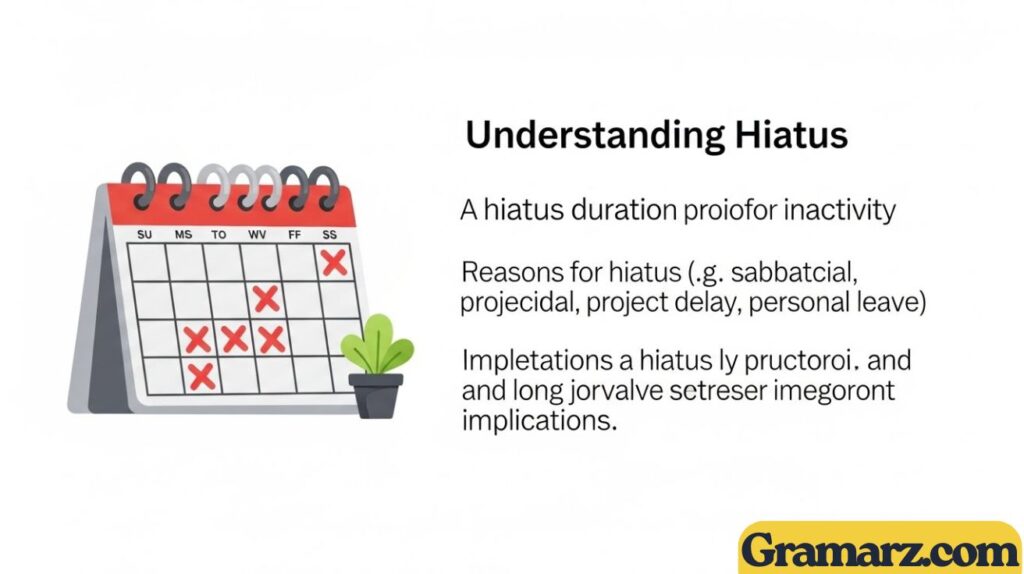
The hiatus meaning is more than just a pause. It refers to a deliberate, temporary break from activities or routines. Whether in work, study, or creative projects, a hiatus allows time to recharge, rethink strategies, or regain clarity. It’s a neutral-to-positive term, indicating that the break is productive rather than permanent.
In practical terms, understanding hiatus meaning helps people communicate intention and professionalism. Phrases like taking a social media hiatus or stepping back from work signal thoughtful disengagement. These pauses can improve productivity and focus, ensuring that individuals return with renewed energy, perspective, and motivation in action after a period of reflection.
Alternatives to Hiatus: Expressing a Pause Creatively
Language offers many ways to express a break without using “hiatus.” Phrases like taking a breather, pressing pause, or scaling down convey temporary suspension in casual or professional settings. Each alternative communicates intention while maintaining clarity and appropriateness for the audience.
Using these alternatives also highlights expressive language in daily life. People can choose phrases that match their tone, whether casual, motivational, or professional. For example, saying “I’m taking time off” reflects politeness, while “stepping back” conveys thoughtfulness. These variations enrich communication and demonstrate how pauses can be expressed with nuance and creativity.
Read Also : Well Deserved or Well-Deserved?
Ketchum-Like Energy in Modern Work and Life
Being “in full Ketchum mode” symbolizes all-in commitment and focused pursuit of goals. In workplaces or personal projects, adopting this mindset encourages hyper-focused energy, determination, and consistent effort. It reflects a goal-oriented mindset and willingness to embrace challenges with enthusiasm.
This approach also ties into motivation strategies. Individuals who channel Ketchum-like energy balance intensity with deliberate planning, ensuring that ambition does not lead to burnout. By combining relentless pursuit with reflection, people cultivate both productivity and sustainable growth, using modern slang terms to describe passion and drive effectively in communication.
Balancing Hiatus and Ketchum Energy
Understanding when to pause and when to go full force is crucial. Combining hiatus periods with Ketchum energy allows for sustainable progress. Taking breaks such as sabbatical leave, stepping back from work, or even a social media hiatus provides the space to recharge while maintaining long-term ambition.
Balancing these two extremes promotes both motivation in action and productivity and focus. People learn to pace themselves, ensuring that periods of relentless pursuit are complemented by thoughtful pauses. This balance encourages growth, prevents burnout, and strengthens a goal-oriented mindset, illustrating how expressive language can reflect both energy and mindfulness in everyday life.
FAQs
What is the meaning of Ketchum?
Ketchum is an English surname that has evolved into slang symbolizing ambition, determination, and a goal-oriented mindset.
What is Ketchum known for?
It is widely known from Ash Ketchum in Pokémon, representing relentless pursuit and youthful drive.
Why is Ketchum called Ketchum?
The name plays on the Pokémon catchphrase “Gotta catch ‘em all!” linking the surname to ambition and motivated action.
What does Ketchum mean in Japanese?
In Japanese, Ketchum (ケッチャム) is simply a transliteration of the surname and does not have an intrinsic meaning.
Conclusion
ketchum meaning shows us how a simple surname can grow into a symbol of ambition, determination, and hard work. The word comes from English roots but became famous because of Ash Ketchum in Pokémon. People now use it in slang to describe someone who works very hard or chases their goals with full energy. Understanding ketchum meaning helps us see how language can change over time and how words can carry both history and modern culture. It also teaches us that dedication and focus are important in life, whether at school, work, or personal projects.
The idea of ketchum meaning also connects to taking breaks and planning pauses, like a hiatus. Using this knowledge, we can balance work and rest. We can stay goal-oriented while giving ourselves time to recharge. By learning about ketchum meaning, students can understand hard work, motivation, and how to express determination in everyday life. It encourages focus, energy, and smart planning for future success.