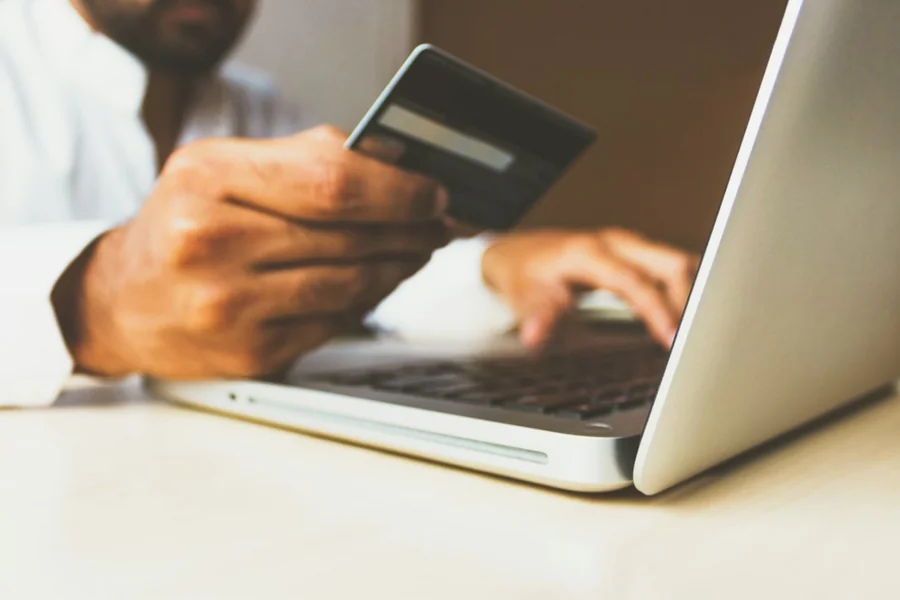
Credit card terminals have become the backbone of modern retail transactions, evolving far beyond their original function as simple payment processors. Today’s terminals represent sophisticated technology platforms that influence everything from checkout speed to customer loyalty, fundamentally altering how businesses and consumers interact at the point of sale.
The transformation has been dramatic. What began as basic magnetic stripe readers in the 1970s has evolved into multifunctional devices capable of processing contactless payments, integrating with inventory systems, and providing real-time analytics. For retailers navigating an increasingly competitive landscape, understanding these systems isn’t optional—it’s essential for survival.
This article examines the evolution of payment terminals, explores the various types available to businesses today, and analyzes how secure payment infrastructure impacts customer trust and retail performance. We’ll also look at practical considerations for businesses evaluating new systems and emerging technologies that will define the next generation of payment processing.
From Magnetic Stripes to Contactless: A Brief History
The first credit card terminals appeared in retail environments during the 1970s, introducing magnetic stripe technology that would dominate payment processing for decades. These early systems represented a significant leap from manual card imprinters, but they were limited in functionality and vulnerable to fraud.
The 1990s brought EMV chip technology, named after its developers Europay, Mastercard, and Visa. This innovation fundamentally changed payment security by encrypting transaction data and making card cloning significantly more difficult. The adoption of chip technology reduced counterfeit fraud by more than 75% in markets where it was widely implemented.
The past decade has witnessed perhaps the most rapid evolution. Near-field communication (NFC) technology enabled contactless payments, while mobile wallet integration transformed smartphones into payment devices. Modern terminals now feature touchscreens, wireless connectivity, and seamless integration with comprehensive point-of-sale ecosystems.
Understanding Today’s Payment Terminal Options
Businesses today face a diverse marketplace of payment processing solutions, each designed for specific operational needs and customer environments. Selecting the right system requires understanding these distinct categories:
- Traditional Countertop Terminals: These wired systems remain the workhorse of fixed retail locations. Connected via ethernet or phone lines, they offer reliability and consistent performance for high-volume checkout environments. Their stationary nature makes them ideal for traditional retail counters where mobility isn’t required.
- Wireless Terminals: Operating on cellular or WiFi networks, wireless terminals provide flexibility within a defined range. Restaurants use them for tableside payment, while retail stores deploy them during peak periods to reduce checkout lines. The mobility comes with slightly higher processing costs but delivers measurable improvements in customer experience.
- Mobile Card Readers: These compact devices transform smartphones and tablets into complete payment systems. Small businesses, food trucks, and market vendors favor mobile readers for their portability and minimal upfront investment. They connect via Bluetooth or audio jack, processing payments through dedicated applications. Equipment suppliers like DCC Supply, Heartland Payment Systems, and Clover stock a range of mobile reader hardware suited to different device compatibility requirements and transaction volumes.
- Virtual Terminals: Web-based payment processing systems allow businesses to accept payments through any internet-connected device. E-commerce operations and businesses taking phone orders rely on virtual terminals, which eliminate the need for physical hardware while maintaining security standards.
- Integrated POS Systems: These comprehensive platforms combine payment processing with inventory management, customer relationship tools, and business analytics. Larger retailers and multi-location businesses benefit from the unified data and operational control these systems provide.
Why Payment Security Determines Business Success
Payment security has evolved from a technical consideration to a fundamental business imperative. Data breaches cost companies an average of $4.45 million per incident according to IBM’s Cost of a Data Breach Report, but the reputational damage often exceeds direct financial losses. Modern payment terminals address these risks through multiple security layers:
- End-to-End Encryption: Payment data is encrypted from the moment a card is read until it reaches the payment processor. This ensures that even if data is intercepted during transmission, it remains unreadable to unauthorized parties.
- Tokenization: Rather than storing actual card numbers, modern systems replace sensitive data with unique tokens. These tokens are useless to criminals even if a database is compromised, as they cannot be reverse-engineered to reveal original card information.
- EMV Chip Technology: Chip cards generate unique transaction codes that cannot be reused, making counterfeit fraud nearly impossible. The liability shift that accompanied EMV adoption in the United States placed responsibility for fraudulent transactions on whichever party—merchant or card issuer—used the least secure technology.
- PCI DSS Compliance: The Payment Card Industry Data Security Standard establishes minimum security requirements for any business handling card data. Compliance isn’t optional—failure to meet these standards can result in fines, increased processing fees, and loss of the ability to accept card payments.
Beyond preventing fraud, robust security builds customer confidence. Consumers increasingly consider payment security when choosing where to shop, particularly for higher-value purchases. Visible security features—chip readers, contactless payment options, and encrypted PIN pads—signal to customers that their data is protected.
Evaluating and Acquiring Payment Systems
Purchasing a credit card terminal requires balancing immediate costs against long-term operational needs. Businesses should evaluate several critical factors before committing to a system:
- Total Cost of Ownership: Look beyond the sticker price to consider transaction fees, monthly service charges, and maintenance costs. Some providers offer low equipment costs but charge higher per-transaction fees, while others reverse this model. Calculate your expected transaction volume to determine which pricing structure minimizes long-term expenses.
- Payment Method Support: Ensure the terminal accepts all payment types your customers use—chip cards, magnetic stripes, contactless payments, and mobile wallets. Future-proofing matters; systems that support emerging payment methods protect your investment as consumer preferences evolve.
- Integration Capabilities: Standalone terminals process payments but don’t communicate with other business systems. Integrated solutions that connect with inventory management, accounting software, and customer databases eliminate duplicate data entry and provide better business intelligence.
- Security Certifications: Verify that any system meets current PCI DSS requirements and supports EMV chip processing. Ask about the provider’s security update process—payment security is not static, and your terminal needs regular updates to address emerging threats.
- Support and Service Terms: Understand what happens when equipment fails. Does the provider offer 24/7 technical support? What are replacement timelines? For businesses where payment processing downtime directly impacts revenue, service level agreements matter significantly.
The procurement process itself has diversified. Traditional merchant services providers remain common, but businesses can now purchase terminals directly from manufacturers, through payment processors, or via specialized equipment suppliers. Each channel offers different advantages in pricing, support, and contractual flexibility.
Emerging Technologies Reshaping Payment Processing
Payment terminal innovation continues at a rapid pace, with several technologies poised to redefine transaction experiences over the next few years:
- Biometric Authentication: Fingerprint and facial recognition systems are moving beyond smartphones into payment terminals. These methods offer enhanced security while eliminating the need for PINs or signatures, streamlining the checkout process. Early implementations show promising results in both security and customer acceptance.
- Artificial Intelligence Integration: Machine learning algorithms can detect fraudulent transaction patterns in real-time, flagging suspicious activity before it’s completed. AI also optimizes payment routing, selecting the most cost-effective processing path for each transaction based on card type, amount, and other variables.
- Cryptocurrency Acceptance: While still representing a small fraction of retail transactions, cryptocurrency payment capabilities are appearing in mainstream terminals. Businesses in certain sectors—particularly those with international customers or younger demographics—are adding digital currency support to differentiate themselves from competitors.
- Unified Commerce Platforms: The distinction between online and in-store payments is blurring. Next-generation systems process transactions across all channels—physical stores, websites, mobile apps, and social media—while maintaining unified inventory and customer data. This omnichannel approach reflects how consumers actually shop, moving fluidly between digital and physical environments.
These innovations aren’t merely technical curiosities. They address real business challenges: reducing fraud losses, decreasing transaction times, and meeting evolving customer expectations. Businesses should monitor these developments and consider how emerging capabilities align with their strategic objectives.
The Broader Impact on Retail Operations
Credit card terminals influence retail success in ways that extend well beyond processing payments. Their impact ripples through multiple aspects of business operations:
- Transaction Speed and Customer Throughput: Faster payment processing directly increases the number of customers a business can serve during peak periods. Contactless payments complete in seconds, reducing queue times and improving customer satisfaction. For high-volume retailers, even small improvements in transaction speed translate to meaningful revenue increases.
- Data-Driven Decision Making: Modern terminals capture detailed transaction data that informs business strategy. Sales patterns by time of day, popular product combinations, and average transaction values help optimize staffing, inventory, and pricing decisions. This intelligence was largely unavailable with older payment systems.
- Customer Experience Enhancement: Payment friction—any difficulty or delay in completing a transaction—directly impacts customer satisfaction and likelihood of return visits. Terminals that accept preferred payment methods, process transactions quickly, and provide clear receipts remove friction points that might otherwise drive customers to competitors.
- Operational Efficiency: Integrated systems eliminate manual reconciliation between payment records and business management software. Automatic end-of-day reporting, simplified tax preparation, and reduced accounting errors free staff time for customer-facing activities rather than administrative tasks.
The cumulative effect of these improvements can be substantial. Businesses that view payment terminals as strategic assets rather than necessary expenses position themselves to capture advantages that less forward-thinking competitors miss.
Strategic Considerations for Business Owners
As payment technology continues evolving, businesses should approach terminal selection and management strategically rather than reactively. Several practices help maximize the value of payment infrastructure:
Regularly review processing statements to ensure you’re receiving competitive rates. Payment processing is a competitive industry, and businesses with strong transaction histories can often negotiate better terms. Annual reviews of processing costs should be standard practice.
Stay informed about payment security requirements, which change as new threats emerge. Subscribe to updates from your payment processor and industry associations. Security breaches often result from outdated systems that no longer receive security patches.
Consider customer payment preferences when evaluating new systems. Survey your customer base or analyze transaction data to understand which payment methods they prefer. A terminal that doesn’t support your customers’ preferred payment methods creates unnecessary friction.
Plan for scalability as your business grows. Systems that work well for a single location may not scale efficiently to multiple sites. Consider future needs when making current purchasing decisions to avoid costly replacements as you expand.
Conclusion: Payment Infrastructure as Competitive Advantage
Credit card terminals have evolved from simple transaction tools into sophisticated systems that influence customer satisfaction, operational efficiency, and business intelligence. The gap between businesses using modern payment infrastructure and those relying on outdated systems continues widening, affecting everything from checkout speed to fraud losses.
For businesses evaluating their payment systems, several actions deserve immediate attention:
- Assess whether your current terminals support all payment methods your customers want to use, including contactless and mobile wallet options
- Review your payment security measures against current PCI DSS standards and verify that your systems receive regular security updates
- Calculate your total cost of payment processing, including equipment, transaction fees, and monthly charges, to identify potential savings
- Explore how integrated payment systems could eliminate manual processes and provide better business data
- Monitor emerging payment technologies to understand which innovations might benefit your specific business model
The businesses that thrive in increasingly competitive retail environments will be those that recognize payment infrastructure as a strategic asset rather than a commodity expense. As consumer expectations continue rising and payment technology advances, the quality of your payment systems will increasingly differentiate your business from competitors still treating terminals as an afterthought.