
Singapore is known for its dense infrastructure, heavy traffic flow, and extensive public transport network. In this fast-paced urban environment, audio solutions from Shure Singapore help individuals and professionals maintain clear sound quality despite constant background noise. Trains arrive at short intervals, buses move through packed roads, and shopping districts draw large crowds throughout the week. In such surroundings, background noise forms part of daily life. For many residents, silence is not easily found in public spaces.
Noise-cancelling earphones have become a practical response to this constant hum. They offer a way to reduce the surrounding sound and create a more controlled listening experience. Whether used during a train journey, at a shared workspace, or on a flight, these devices help shape a quieter personal environment within a busy city.
Growing Interest in Personal Audio Control
Over the past decade, noise-cancelling earphones have shifted from niche audio products to widely adopted consumer devices. Commuters use them to reduce train and traffic noise. Office workers rely on them to concentrate in open-plan settings. Travellers depend on them to soften the engine sound during flights.
This rise in demand reflects changing work habits and lifestyle patterns. Remote work, hybrid schedules, and long commuting hours have increased the value placed on focus and comfort. Audio equipment is no longer purchased only for music enjoyment. It serves communication needs, supports productivity, and shapes daily routines.
In Singapore, where many people spend considerable time on public transport, the appeal of noise reduction is clear. A quieter environment can improve concentration during calls, reduce listening fatigue, and create a sense of separation from surrounding distractions.
How Noise-Cancelling Technology Functions
Noise-cancelling earphones operate through a system known as active noise control. Small microphones built into the earphones detect external sound waves. The device then produces an opposing sound wave that offsets incoming noise. When these two waves meet, they reduce each other’s intensity. The listener perceives this interaction as a drop in the surrounding sound.
This process works best with consistent, low-frequency noise such as engine rumble or air-conditioning hum. Sudden or irregular sounds, such as speech or sharp impacts, may not disappear completely, though they are often softened.
Most models combine active noise control with passive isolation. Passive isolation refers to the physical design of the ear tips, which form a seal in the ear canal. This barrier blocks a portion of external noise without relying on electronic processing. The blend of these two methods creates a more effective overall result.
Sound Quality and Listening Experience
Noise reduction alone does not define a good pair of earphones. Clear audio reproduction remains a priority for many users. Balanced output across bass, midrange, and treble allows music and speech to sound natural rather than distorted.
Some models support high-resolution audio formats, appealing to listeners who value fine detail in recordings. Others prioritise voice clarity for calls and online meetings. The intended use often shapes the choice of device.
Audio tuning varies between brands. Some favour deeper bass, which suits modern music genres. Others aim for a neutral sound profile designed for accurate playback. Personal preference plays a large part in selecting the right model.
Comfort and Daily Wear
Earphones are often worn for extended periods, particularly during commutes or work sessions. Comfort influences long-term satisfaction more than many buyers initially expect. A poorly fitted ear tip can cause pressure, irritation, or reduced sound quality.
Manufacturers usually provide multiple ear tip sizes to accommodate different ear shapes. Lightweight construction reduces strain, and well-balanced weight distribution prevents the earphones from feeling heavy or unstable.
In-ear models must create a secure seal without excessive tightness. A stable fit also supports noise isolation. For users who wear earphones throughout the day, comfort becomes a decisive factor rather than a secondary feature.
Battery Life and Charging
Wireless noise-cancelling earphones depend on internal batteries. Playback time varies across models, though many offer several hours of continuous use with noise cancellation activated. Charging cases extend total usage by storing additional power.
Quick-charge functions have become common. A short charging period can provide several hours of playback, which suits individuals with limited time between appointments. Battery performance often declines gradually over the years of use, so build quality and battery management systems affect long-term value.
Connectivity and User Controls
Bluetooth has become the standard method of connection for modern earphones. Stable pairing with smartphones, tablets, and laptops supports smooth daily use. Multipoint connectivity, which allows switching between two devices, is increasingly sought after by professionals who alternate between work and personal devices.
Touch controls or physical buttons allow adjustments to volume, track selection, and call management. Some models include voice assistant integration, enabling hands-free commands. Straightforward controls reduce the need to handle a phone during travel or work.
Notable Models in Singapore
Several brands maintain a strong presence in Singapore’s consumer audio market. Sony’s WF-1000XM4, for example, is recognised for effective noise reduction and refined sound processing. The model incorporates a dedicated processor designed to improve both audio clarity and background noise suppression. Users can adjust sound profiles through a companion mobile application.
Bose QuietComfort Earbuds are known for adjustable noise control levels. This feature allows listeners to regulate how much external sound remains audible. Such flexibility suits situations where partial awareness of surroundings is preferred, such as walking near traffic.
Apple AirPods Pro appeal to those within the Apple ecosystem. They integrate smoothly with iPhones, iPads, and Mac devices. Features such as transparency mode allow the surrounding sound to pass through when required. Spatial audio functions add depth to supported media content.
Each of these products reflects a different approach to design and user experience. Brand preference, device compatibility, and price range often influence final purchasing decisions.
Consumer Preferences and Market Trends
In Singapore, buyers often weigh technical performance alongside design. Compact charging cases, understated colour options, and brand reputation play a part in shaping perception. Online reviews and word-of-mouth recommendations contribute to purchasing behaviour.
Price segmentation is broad. Entry-level models provide basic active noise control at a lower cost, appealing to students or first-time buyers. Premium models command higher prices in exchange for refined sound processing, stronger noise reduction, and extended battery life.
Environmental awareness has begun to influence consumer choices. Some brands have introduced recyclable packaging or reduced plastic components. Though performance remains the main driver, sustainability now enters purchasing discussions more frequently.
A Quieter Space Within the City
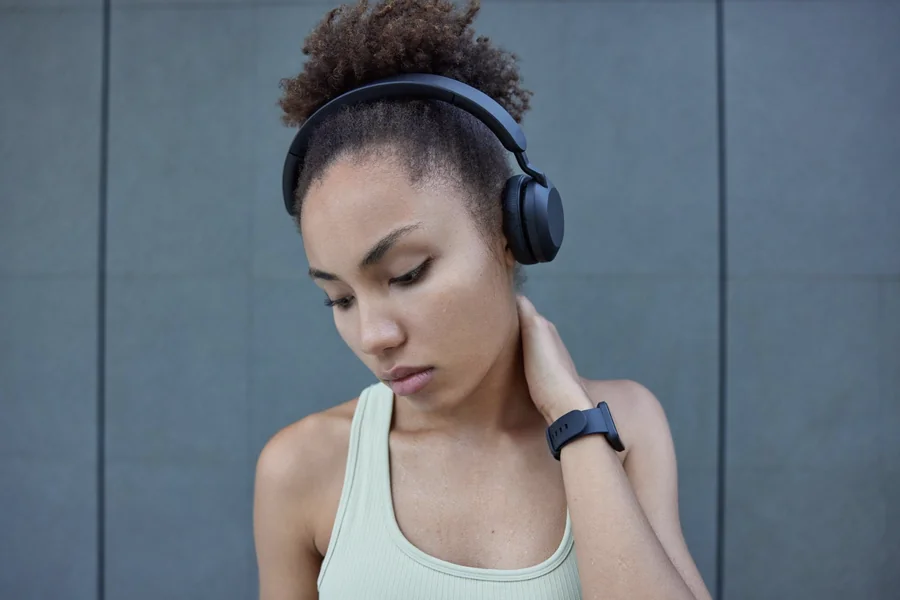
Life in Singapore involves movement, activity, and constant sound. Noise-cancelling earphones offer a way to shape one’s listening environment amid that activity. They reduce background interference, support concentration, and improve comfort during travel.
Advances in audio engineering continue to refine both noise reduction and sound quality. Smaller components, improved processors, and longer battery life contribute to ongoing product development. As daily routines evolve and urban density remains high, personal audio devices will likely retain their strong appeal.
Conclusion
Noise-cancelling earphones have moved beyond being specialised audio accessories. In Singapore’s dense and active setting, they function as everyday tools that support work, travel, and leisure. Their appeal lies in the ability to create a controlled listening space within a crowded environment.
Technical design, sound balance, comfort, and battery performance shape user satisfaction. Market options range from practical entry-level devices to advanced premium models. Brand identity and device compatibility influence purchasing choices, yet core expectations remain consistent: clear audio and meaningful reduction of surrounding noise.
As urban living continues to expose residents to constant sound, personal audio control grows in relevance. Noise-cancelling earphones meet this demand by offering focus, comfort, and a measure of quiet within the rhythm of city life.