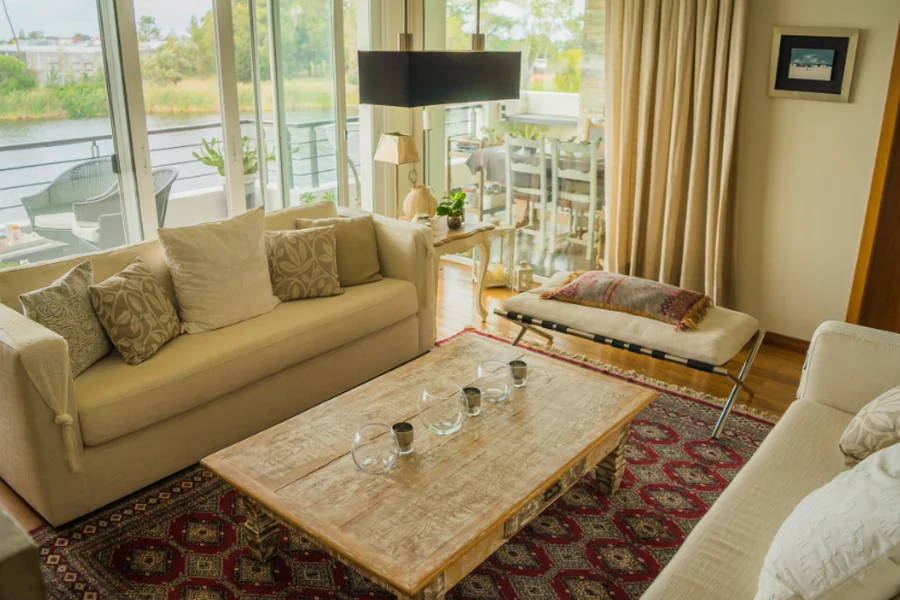
Singapore continues to stand out as a global trendsetter in architecture and interior design. With its fast-paced urban lifestyle and diverse cultural influences, the demand for a modern and stylish sofa in Singapore has grown steadily over the years.
Sofa design is no longer just about seating comfort; it now reflects lifestyle choices, technological progress, and evolving cultural identities. This transformation has played a major role in shaping the interiors of Singaporean homes, blending practicality with aesthetics.
Historical Influence on Modern Designs
Modern sofa design has deep historical roots that continue to influence contemporary styles. Early furniture designs were heavily inspired by European aristocracy, featuring intricate carvings, rich fabrics, and elaborate detailing. These designs symbolised luxury and status, often occupying large and spacious interiors.
As time progressed, design preferences shifted towards simplicity and functionality. The rise of urban living, particularly in densely populated cities like Singapore, encouraged a move towards minimalist and space-efficient furniture. Today’s sofa designs often combine historical elegance with modern practicality, resulting in pieces that are both visually appealing and suited for compact living spaces.
Singapore’s multicultural environment also plays a role in shaping design preferences. Traditional influences from Asian aesthetics are often blended with Western modernism, creating a unique and balanced interior style that reflects the nation’s identity.
The Role of Technology in Sofa Manufacture
Technology has significantly transformed the way sofas are designed and manufactured. Advances in material science have introduced innovations such as memory foam, high-resilience cushioning, and advanced spring systems, all of which enhance comfort and durability.
Textile technology has also evolved, offering fabrics that are stain-resistant, breathable, and long-lasting. These materials are especially useful in urban households where practicality is just as important as appearance.
Singapore’s strong technological ecosystem supports continuous innovation in furniture design and manufacturing. This has allowed local and international brands to introduce smarter, more efficient production techniques while maintaining high standards of quality and sustainability.
Lifestyle and Space Optimisation
With increasing urbanisation, space has become a valuable commodity in Singapore. As a result, sofa designs have adapted to meet the needs of compact living environments. Multi-functional furniture has become particularly popular among homeowners living in apartments and condominiums.
Sofa beds, modular sofas, and sectional designs offer flexibility and adaptability, allowing users to maximise their living space without sacrificing comfort. Some designs also incorporate hidden storage compartments, providing practical solutions for decluttering smaller homes.
This focus on functionality ensures that modern sofas are not only stylish but also highly efficient in meeting everyday living needs.
Embracing Eco-Friendly Materials
Sustainability has become an important consideration in modern interior design. In Singapore, there is a growing preference for eco-friendly furniture made from responsibly sourced materials.
Manufacturers are increasingly using sustainable wood, recycled metals, and organic fabrics to reduce environmental impact. These materials help minimise waste and promote responsible consumption without compromising on design quality.
Eco-conscious production methods, such as water-based adhesives and energy-efficient manufacturing processes, are also becoming more common. This shift reflects a broader commitment to environmental responsibility within the furniture industry.
Customisation: Personalising the Living Space
Personalisation has become a key trend in interior design, allowing homeowners to express their individuality through their furniture choices. In Singapore, custom-made sofas are increasingly popular as people seek designs that reflect their lifestyle, preferences, and personality.
Customisation options include fabric selection, colour choices, size adjustments, and modular configurations. This flexibility allows homeowners to create unique pieces that fit perfectly into their living spaces.
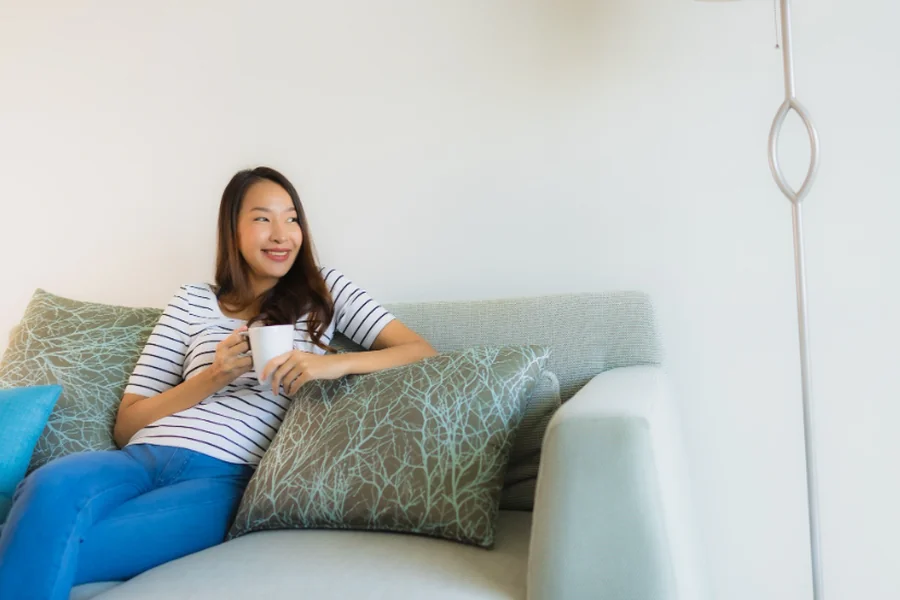
A customised sofa often becomes the focal point of a room, serving not only as functional furniture but also as a reflection of personal identity and taste.
Cultural Celebrations Through Design
Singapore’s rich cultural diversity is reflected in its interior design landscape. Sofa designs often incorporate subtle cultural influences, blending traditional motifs with contemporary aesthetics.
This fusion creates interiors that are both modern and culturally meaningful. Patterns, textures, and colour schemes inspired by different cultural traditions are often integrated into furniture design, adding depth and character to living spaces.
The result is a harmonious balance between heritage and modernity, reflecting Singapore’s unique multicultural identity.
The Influence of Global Trends
As a global hub for trade and innovation, Singapore is highly influenced by international design trends. Scandinavian minimalism, Japanese simplicity, and industrial modernism are just a few styles that have found their way into local interiors.
These global influences are often adapted and blended with regional preferences, resulting in unique hybrid designs. This openness to global trends allows Singapore’s interior design scene to remain dynamic, fresh, and constantly evolving.
The exchange of ideas between international designers and local creatives further enriches the furniture industry, encouraging innovation and diversity in sofa design.
Integration of Smart Technologies
The rise of smart home technology has also influenced modern sofa design. Today’s sofas are no longer limited to traditional functions; many now include integrated technological features that enhance convenience and comfort.
Features such as built-in USB charging ports, wireless charging surfaces, and adjustable reclining systems are becoming increasingly common. These innovations cater to the needs of a digitally connected lifestyle.
In Singapore, where technology adoption is high, smart furniture aligns well with consumer expectations for convenience, efficiency, and modern living.
Colour Palettes and Textures
Colour and texture play a significant role in defining the atmosphere of a living space. In Singapore, interior design often favours neutral colour palettes such as beige, grey, and white, which create a calm and versatile foundation.
These neutral tones are often complemented with bold accent colours through cushions, throws, or decorative elements. This approach allows for flexibility in design while maintaining a sophisticated aesthetic.
Texture is equally important, with materials such as leather, velvet, and woven fabrics being used to add depth and visual interest. The combination of different textures enhances the overall sensory experience of a space.
Global Collaborations in Furniture Design
Collaborations between international designers and local manufacturers have contributed significantly to the evolution of sofa design in Singapore. These partnerships bring together diverse ideas, techniques, and cultural influences.
Such collaborations often result in innovative designs that combine global trends with local sensibilities. This exchange of creativity helps elevate the quality and originality of furniture available in the market.
As a result, consumers benefit from a wider variety of designs that cater to different tastes, lifestyles, and functional needs.
Future Predictions in Sofa Design
The future of sofa design in Singapore is expected to focus heavily on sustainability, technology integration, and personalisation. As environmental awareness continues to grow, eco-friendly materials and ethical production practices will become even more important.
Technological advancements are likely to introduce even smarter furniture solutions, with increased automation and enhanced connectivity features. Sofas may become more interactive, adapting to user preferences and behaviours.
Personalisation will also continue to play a major role, allowing consumers to create highly customised pieces that suit their individual lifestyles. Durability and long-term value will remain key priorities in future designs.
Conclusion
The evolution of sofa design in Singapore reflects a rich interplay of history, innovation, culture, and modern living needs. From ornate classical designs to sleek multifunctional pieces, sofas have transformed into essential elements of both comfort and style.
As lifestyles continue to change and technology advances, sofa design will keep evolving to meet new demands. In Singapore’s dynamic interior design landscape, the sofa remains more than just furniture—it is a central expression of identity, comfort, and contemporary living.