In the rhythm of modern city living, where long working hours and constant movement have become the norm, the simple act of slowing down is often overlooked. Foot spa treatments have quietly become one of the most effective ways to restore balance, offering not just physical relief but also a deep sense of calm. For those seeking relaxation, a foot spa in Singapore offers a convenient and rejuvenating escape within the city’s fast-paced environment. In Singapore, foot spas have grown into a refined wellness culture, blending traditional healing philosophies with modern comfort. What was once considered a simple luxury has now become an essential form of self-care for many people seeking recovery from daily fatigue.
The Growing Appeal of Foot Spa Culture
The popularity of foot spa treatments continues to rise as more individuals recognise the importance of holistic wellbeing. In busy urban environments, people are constantly on their feet, both physically and mentally, which naturally leads to exhaustion. Foot spas provide a dedicated space to pause and reset. The appeal lies not only in relaxation but also in the therapeutic benefits rooted in ancient practices. Many of these techniques are inspired by traditional Chinese medicine, which views the feet as a reflection of the body’s internal systems. This belief has helped shape the modern foot spa experience into something both meaningful and restorative.
The Essentials of Foot Spa Therapy
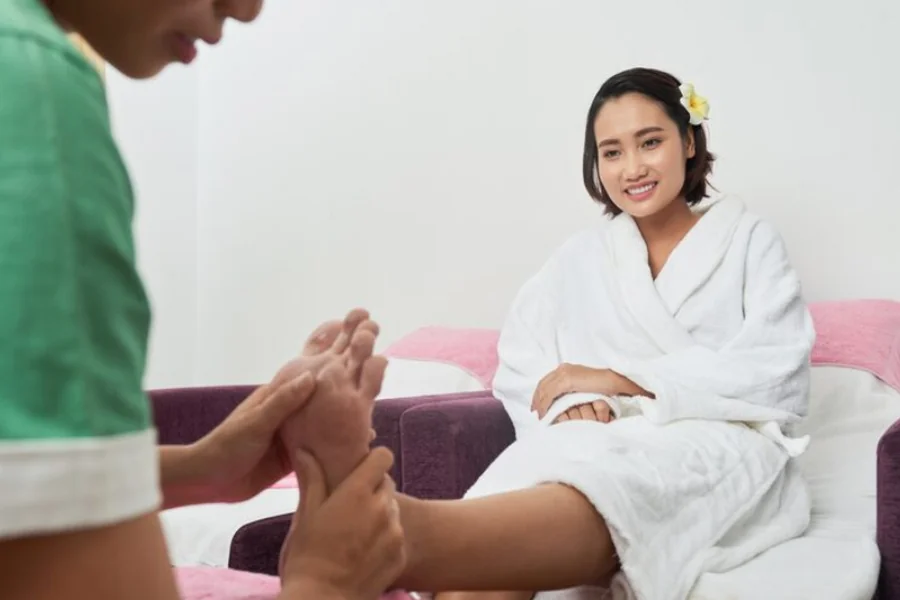
A typical foot spa session is designed to ease tension from the very first moment. It often begins with a warm foot soak, carefully prepared with minerals, salts, and essential oils. This initial step helps soften the skin while encouraging muscle relaxation. The warmth gently stimulates blood flow, preparing the body for deeper therapeutic work.
Once the feet are fully relaxed, attention shifts to massage techniques that focus on reflex points. These points are believed to connect to various organs and systems within the body. By applying targeted pressure, therapists aim to support natural healing processes, improve circulation, and encourage balance throughout the body. The experience is both calming and invigorating, creating a sense of harmony that extends beyond the feet themselves.
Understanding Reflexology in Foot Spa Treatments
Reflexology plays a central role in most professional foot spa treatments. It is based on the concept that the feet contain mapped zones corresponding to different parts of the body. Each pressure point is thought to influence a specific organ or bodily function. For example, certain areas of the heel may be associated with the lower back, while sections of the toes may connect to the head and neck.
During a session, trained therapists use their hands, thumbs, and specialised techniques to apply pressure in a structured way. This is not a random process but a carefully guided practice informed by experience and anatomical knowledge. The aim is to stimulate the body’s natural energy flow, often described as promoting balance and internal harmony. Many individuals report feeling lighter, more relaxed, and mentally clearer after a session, which reflects the holistic nature of reflexology.
Core Benefits of Regular Foot Spa Treatments
The benefits of foot spa therapy extend far beyond simple relaxation. One of the most noticeable advantages is improved circulation. When blood flow is enhanced, the body becomes more efficient at delivering oxygen and nutrients to tissues. This can result in increased energy levels and reduced feelings of fatigue.
Foot spa treatments are also known for their stress-relieving qualities. In today’s fast-paced world, stress can build up without warning, affecting both physical and mental health. A dedicated foot spa session encourages the nervous system to slow down, helping the body shift into a more relaxed state. This can lead to reduced anxiety, improved sleep quality, and a greater sense of emotional balance.
In addition, regular sessions may support natural detoxification processes. By stimulating circulation and lymphatic movement, the body becomes more effective at eliminating waste products. While not a medical treatment, this supportive function contributes to overall well-being and vitality.
What to Expect in a Premium Foot Spa Experience
A high-quality foot spa experience goes beyond technique alone. The environment plays a significant role in shaping relaxation. Premium spas are designed with comfort in mind, often featuring soft lighting, calming music, and gentle aromatic scents. These sensory elements work together to create an atmosphere that encourages complete mental unwinding.
Upon arrival, guests are typically welcomed and guided through the process by trained professionals. Each session is tailored to individual needs, ensuring that pressure levels, techniques, and focus areas are adjusted accordingly. Some individuals may require deeper pressure for muscle tension, while others may prefer a gentler, more soothing approach.
The therapist’s skill is central to the experience. A well-trained practitioner understands how to identify tension points and adjust their methods accordingly. This level of attentiveness ensures that each session feels personalised and effective.
The Importance of Hygiene and Professional Standards
Cleanliness and professionalism are essential aspects of any reputable foot spa. High standards of hygiene ensure not only comfort but also safety. Tools and equipment are properly sanitised, and treatment areas are maintained with care. This attention to detail reflects the overall quality of the establishment.

Professional therapists also undergo training to understand anatomy, pressure techniques, and client care. Their expertise allows them to provide consistent and reliable treatments. Choosing a spa with experienced staff can significantly enhance the overall experience, ensuring both comfort and effectiveness.
Modern Innovations in Foot Spa Therapy
The evolution of foot spa treatments has introduced a range of modern innovations that enhance traditional practices. Technology now plays a supporting role in many spas, with advanced massage chairs and hydrotherapy systems becoming increasingly common. These tools are designed to complement manual techniques by providing consistent pressure and deep muscle relief.
Another innovation is the use of specialised therapeutic oils and creams. Ingredients such as lavender, eucalyptus, and arnica are commonly used for their calming and anti-inflammatory properties. These natural elements not only improve relaxation but also support skin health and physical recovery.
Some spas have also introduced multi-sensory experiences that combine light therapy, soundscapes, and heat therapy. These additions create a more immersive environment, allowing guests to disconnect fully from external stressors.
Cultural Significance of Foot Spa Traditions
Foot spa practices are deeply rooted in cultural traditions, particularly across many Asian communities. They have long been associated with health preservation and energy balance. Over time, these practices have evolved and adapted, integrating modern techniques while preserving their original philosophy.
Singapore, in particular, reflects a unique blend of cultural influences. The foot spa industry draws inspiration from Chinese, Malay, and Western wellness traditions, creating a diverse and inclusive approach to care. This cultural fusion has helped shape a wellness environment that respects heritage while embracing innovation.
Foot Spa as a Supportive Wellness Practice
Although often seen as a form of relaxation, foot spa therapy is increasingly recognised as a supportive wellness practice. Many individuals incorporate it into their regular health routines to maintain balance in both body and mind. For those with physically demanding lifestyles, it can serve as an effective way to recover from daily strain.
Some individuals with chronic discomfort also find that regular sessions help ease symptoms such as stiffness or fatigue. While not a replacement for medical treatment, foot spa therapy can complement broader health strategies by supporting relaxation and circulation.
Luxury That Remains Accessible
One of the most appealing aspects of foot spa treatments is their accessibility. Despite their association with luxury, many establishments offer flexible pricing and package options. This makes it possible for a wider range of individuals to enjoy regular treatments without significant financial strain.
The idea of self-care has become increasingly important in modern society, and foot spa therapy fits naturally into this lifestyle shift. It offers a practical and enjoyable way to prioritise wellbeing without requiring extensive time or resources.