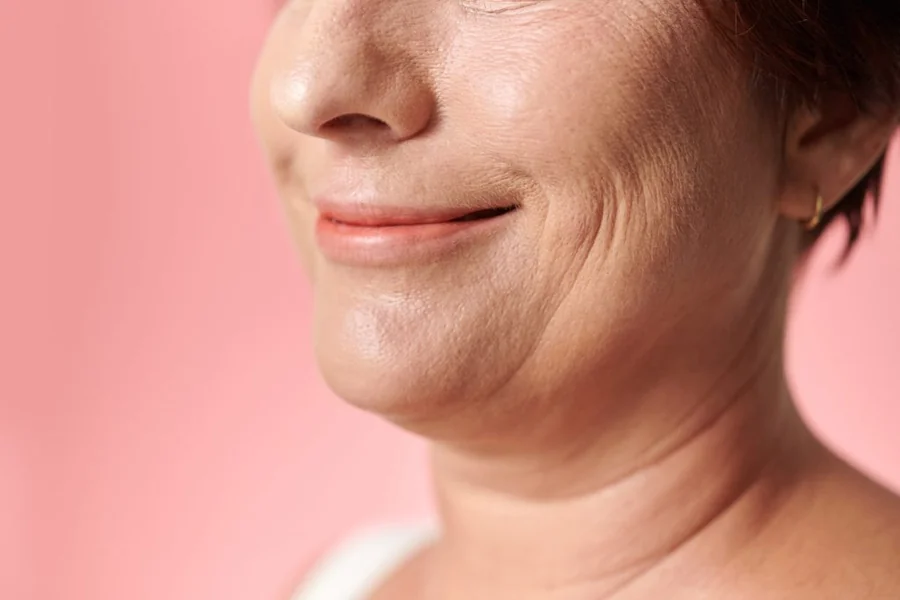
Jowls refer to the sagging skin that develops along the lower cheeks and jawline, often becoming more noticeable with age. The presence of jowls can impact facial contours, creating a heavier or aged appearance. Understanding how to get rid of jowls is a common concern for many seeking to maintain a youthful and defined facial profile.
What Causes Jowls?
The formation of jowls is primarily attributed to the natural ageing process. Loss of skin elasticity, declining collagen production, gravity, and changes in fat distribution contribute to sagging skin around the jawline. Additionally, lifestyle factors such as sun exposure, smoking, and poor diet can accelerate the development of jowls.
The Role of Collagen and Elastin
Collagen and elastin are essential proteins that maintain the skin’s firmness and elasticity. As production diminishes with age, the skin becomes less resilient and more prone to sagging. This reduction combined with the effects of gravity leads to the characteristic drooping of the lower face.
Non-Surgical Options for Jowl Removal
For individuals looking to improve the appearance of jowls without surgery, several non-invasive treatments have proven effective. These methods often aim to tighten the skin, stimulate collagen production, and restore volume to the facial contours.
Dermal Fillers
Injectable dermal fillers can be strategically placed to restore lost volume around the jawline. By adding structure and support, fillers can reduce the sagging appearance of jowls and enhance facial definition. Results are typically temporary and require maintenance treatments.
Ultrasound and Radiofrequency Therapies
Technologies such as ultrasound and radiofrequency can penetrate deep into the skin, promoting collagen remodelling and skin tightening. These procedures are non-invasive and gradually improve skin firmness over several weeks following treatment.
Botulinum Toxin
Botulinum toxin injections can assist in tightening certain muscles around the jawline. While commonly used for dynamic wrinkles, in some cases, it can be part of a treatment plan targeting mild jowl formation.
Surgical Approaches to Jowl Removal
For more pronounced jowls, surgical intervention may be recommended. Procedures such as lower rhytidectomy (facelift) offer more definitive results by removing excess skin and repositioning underlying tissues.
Lower Facelift Surgery
This surgical technique focuses on tightening the lower third of the face. Excess skin is excised, and underlying muscles are repositioned to restore a youthful jawline. Recovery time varies but typically includes some swelling and bruising for several weeks.
Neck Lift Procedures
Since jowls may be accompanied by laxity in the neck region, a neck lift can be performed concurrently. This approach further refines the jawline and improves overall facial harmony.
Lifestyle Modifications to Support Jowl Reduction
Alongside medical and surgical treatments, lifestyle changes can help delay or minimise jowl formation. Maintaining skin health and muscle tone is vital in supporting facial structure.
Facial Exercises
Targeted exercises designed to strengthen the muscles around the jaw can improve tone and reduce sagging. Consistency is crucial, as benefits accumulate gradually over time.
Skin Care Regimen
Regular use of moisturisers and sunscreens that protect against UV damage assists in preserving skin integrity. Ingredients promoting collagen synthesis, such as retinoids and peptides, may enhance skin firmness.
Healthy Diet and Hydration
A balanced diet rich in antioxidants, vitamins, and minerals supports skin health. Staying adequately hydrated maintains skin elasticity and overall appearance.
Consulting with Medical Professionals
Anyone seeking advice on how to get rid of jowls should consult qualified medical professionals specialising in aesthetic treatments. A personalised assessment can determine the most appropriate course based on individual anatomy, age, and desired outcomes.
Assessment and Treatment Planning
During consultation, the practitioner evaluates skin quality, muscle tone, and bone structure. This comprehensive analysis guides the selection of treatments that will deliver effective and natural-looking results.
Managing Expectations
Realistic understanding of potential outcomes, treatment limitations, and recovery times contributes to patient satisfaction. Medical professionals provide detailed information to support informed decision-making.
Advances in Jowl Removal Techniques
Innovations in aesthetic medicine continue to expand options for treating jowls. Minimally invasive procedures with reduced downtime and natural results are increasingly available.
Combination Therapies
Some patients benefit from a multimodal approach, combining fillers, energy-based devices, and surgical methods. This strategy targets multiple aspects of jowl formation for comprehensive improvement.
Customised Treatment Protocols
Personalised protocols tailored to each patient’s unique facial structure and skin characteristics enhance treatment efficacy. Advances in imaging and assessment tools support precise planning.
Conclusion
Addressing jowls requires an understanding of the underlying causes and available treatments. Both non-surgical and surgical options offer viable solutions, often complemented by lifestyle modifications. Seeking advice from experienced practitioners ensures that individuals receive appropriate and effective interventions.
For further information and expert guidance on how to get rid of jowls, consulting dedicated aesthetic medicine resources provides valuable insights and treatment possibilities.