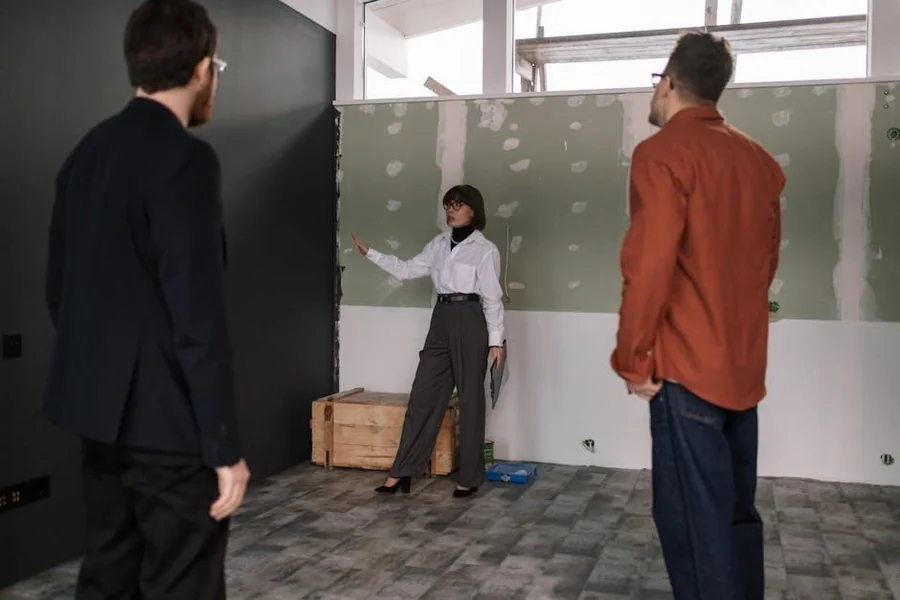
In today’s rapidly evolving business landscape, the workspace environment is a crucial element in fostering employee productivity and satisfaction. Renovating corporate offices is not merely about aesthetic enhancements but also about aligning physical spaces with corporate goals and employee needs. As companies increasingly recognise the importance of these elements, Jadeworks corporate office renovation emerges as a key partner in executing office transformations that cater to both current trends and the future of work.
The Importance of Office Renovation
The drive for corporate office renovation is fuelled by several factors. Firstly, there is a growing understanding of how a thoughtfully designed office can influence employee performance. Research consistently shows that the workplace environment significantly impacts employee well-being, motivation, and productivity. As organisations strive to retain top talent, creating a conducive work environment becomes synonymous with corporate success.
Office renovations also provide an opportunity to incorporate technology that supports a modern, collaborative workforce. This includes integrating flexible workspaces, enhancing digital infrastructure, and installing energy-efficient systems. Such updates can lead to cost savings and improved operational efficiency.
Assessing Workspace Needs
Before initiating an office renovation, companies must conduct a thorough assessment of their current and future workspace requirements. This involves evaluating the existing layout, identifying underutilised areas, and understanding how employees interact within the space. Surveys and consultations can provide valuable insights into employee preferences and pain points, forming the basis for a renovation plan that addresses both immediate needs and long-term objectives.
Designing for Flexibility
One of the key trends in modern office renovation is the shift towards flexible workspaces. With the rise of hybrid work models, offices are being transformed into dynamic environments that accommodate diverse work styles. This includes creating adaptable areas that can be easily reconfigured for different functions, such as collaborative zones, quiet areas, and breakout rooms. Design elements like modular furniture and movable walls are instrumental in achieving this flexibility.
Prioritising Sustainability
Sustainability has become a critical consideration in office renovations. Incorporating sustainable practices not only aligns with corporate social responsibility goals but also leads to financial savings through reduced energy consumption and operational costs. Key strategies include using eco-friendly materials, implementing efficient HVAC systems, and maximising natural light to decrease reliance on artificial lighting. Companies are also focusing on obtaining green building certifications that validate their commitment to environmental stewardship.
Integrating Technology
In the digital age, technology integration is paramount in office renovation. Smart office solutions, such as automated lighting and climate control systems, enhance workplace efficiency and reduce energy consumption. Additionally, a robust connectivity infrastructure is essential to support digital collaboration tools and seamless communication, whether employees are working in-house or remotely. These innovations are not only crucial for day-to-day operations but also vital in future-proofing offices against technological advancements.
Enhancing Employee Experience
Renovation projects should prioritise enhancing the employee experience. Ergonomic workstations, improved air quality, and noise reduction strategies play a significant role in creating a healthier and more comfortable work environment. Companies are also paying attention to incorporating elements that foster a positive work culture, such as wellness rooms, communal kitchens, and leisure areas, supporting the holistic well-being of employees.

Addressing Budgetary Constraints
While ambitious renovation plans can transform a business environment, they must be balanced with financial considerations. Project managers must identify priorities, phasing out implementation in stages if necessary, to manage costs effectively. Working with experienced partners, such as professional renovation services, ensures that projects stay within budget while achieving design objectives. Solutions like the ones offered by office renovation companies can guide businesses in making informed decisions without compromising quality.
Maintaining Business Continuity
Renovations can be disruptive to business operations if not carefully managed. Planning is paramount to ensure that business continuity is maintained during the renovation process. This might involve scheduling work outside of peak business hours or temporarily relocating teams to minimise disruptions. Effective communication with stakeholders is also essential to ensure that everyone is informed and on board with the renovation timeline and expectations.
The Role of Professional Expertise
Engaging professional expertise is invaluable in the renovation process. Expert designers and contractors bring a wealth of knowledge and experience to navigate the complexities of office transformations. They provide insights into the latest design trends, regulatory compliance, and innovative solutions that a layperson might overlook. Furthermore, they can manage the logistics of the renovation, ensuring that the project adheres to timelines and budgets while achieving the desired objectives.
Cultivating a Cohesive Aesthetic
The aesthetic of a corporate office is not just about visual appeal but about cultivating a cohesive brand identity. Design elements should reflect the company’s values and culture, creating an environment that communicates the right message to both employees and visitors. Colour schemes, artwork, and branding elements must be carefully selected to align with the company’s ethos and enhance the overall aesthetic.
Looking Ahead: Future-Ready Offices
As businesses prepare for the future, creating adaptable and resilient workspaces becomes increasingly important. Future-ready offices are characterised by their capacity to evolve with changing business needs and technological advancements. Flexibility, sustainability, and technological integration are not just current trends but essential elements in future-proofing corporate environments.
Office renovation is an intricate process that requires a strategic approach to deliver spaces that support both organisational goals and employee welfare. By prioritising these considerations, companies can create dynamic workplaces that not only enhance productivity and efficiency but also contribute to a thriving corporate culture.