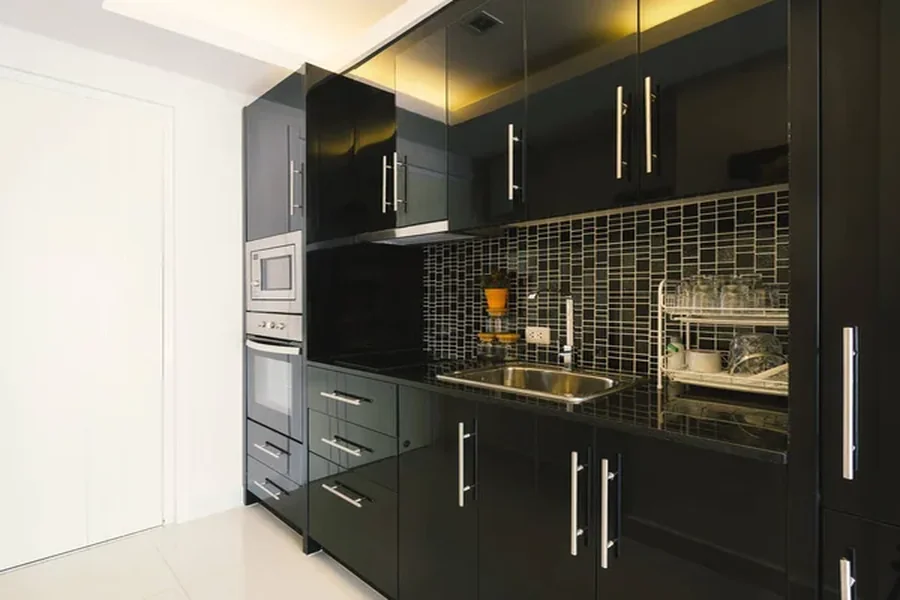
In the evolving world of home design, the kitchen stands as a pivotal space that reflects both functionality and aesthetic appeal. As homeowners become increasingly mindful of sustainability and durability, the demand for innovative materials has surged. One such material that has gained significant traction is aluminium. Specifically, the market for aluminium kitchen cabinet in Singapore is witnessing remarkable growth, representing a shift in both consumer preference and industry standards.
Durability and Maintenance
One of the most appealing attributes of aluminium kitchen cabinets is their remarkable durability. Aluminium is inherently resistant to many of the common issues that plague traditional wooden cabinetry, such as warping, cracking, and termite damage. This resilience makes aluminium an ideal choice for the hot and humid environments typical of many kitchens. Additionally, the maintenance requirements of these cabinets are comparatively minimal. With a simple wipe-down, they retain their sleek appearance without the need for regular treatments or worrying about the potential for water damage.
Aesthetic Versatility
Aluminium kitchen cabinets offer a level of aesthetic versatility that wooden counterparts often cannot match. They are available in a wide array of colours, finishes, and textures, allowing homeowners to customise their kitchen space to match any design style, from ultra-modern to more traditional looks. This adaptability affords a unique advantage in achieving a cohesive design flow that harmonises with the rest of the home. Moreover, the reflective properties of aluminium can enhance natural light, making kitchens appear more spacious and bright.
Environmental Impact
In an era where ecological considerations are becoming increasingly critical, aluminium presents a more environmentally friendly option compared to wood. Aluminium is fully recyclable and can be reused infinitely without degradation, reducing the demand for raw materials and minimising the carbon footprint associated with mining and processing. This recyclability contributes to a circular economy, diminishing waste and promoting sustainable practices within the manufacturing sector.
Cost-Effectiveness
While the initial investment in aluminium kitchen cabinets might be higher than that for traditional wooden cabinets, their long-term cost-effectiveness is evident. The longevity of aluminium means that homeowners are less likely to incur additional expenses for replacements or repairs over time. Furthermore, the reduced need for maintenance and refinishing further contributes to their cost-saving benefits, making them a wise choice for budget-conscious individuals who do not wish to compromise on quality.
Health Considerations
A significant but often overlooked benefit of aluminium kitchen cabinets is their contribution to a healthier home environment. Aluminium is resistant to mould, mildew, and microbial growth, which are common problems associated with wooden cabinets in moist conditions. This resistance is particularly beneficial for allergy sufferers or individuals with respiratory issues, as it helps maintain a cleaner and healthier kitchen space.
Fire Resistance
Safety is an essential concern in any home, particularly in areas like the kitchen that are prone to high temperatures. Aluminium’s inherent fire resistance offers an added layer of safety. Unlike wooden cabinets that can contribute to the spread of fire, aluminium does not combust, and it can help contain fires more effectively, giving families precious time to react and evacuate in case of an emergency.
Technology Integration
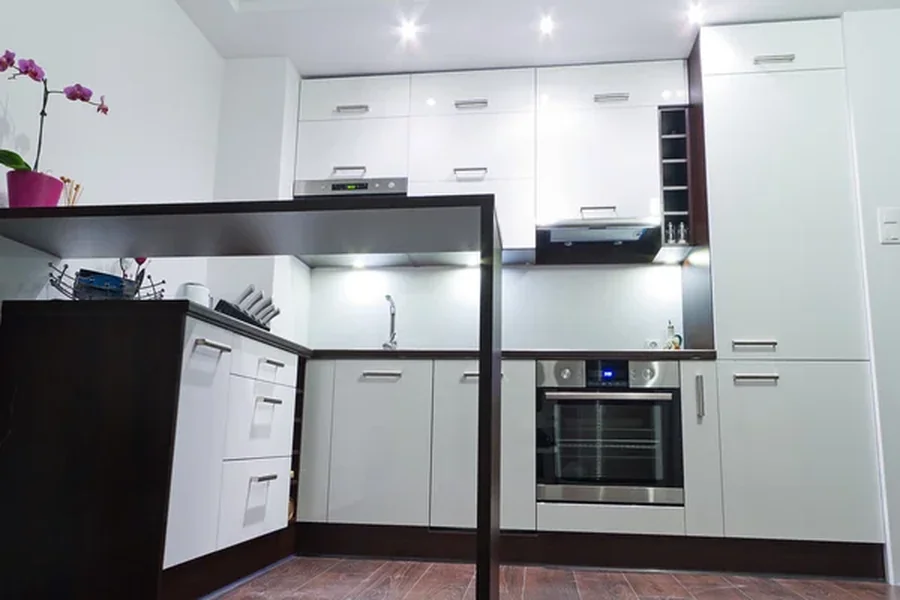
As smart homes become more prevalent, the integration of technology into kitchen design is increasingly important. Aluminium kitchen cabinets can be easily adapted to include various modern amenities such as under-cabinet lighting, built-in charging stations, and touchless sensors. This adaptability ensures that aluminium cabinets remain relevant as technology advances, offering continued convenience and functionality to modern households.
Challenges and Considerations
Despite their numerous benefits, there are considerations to keep in mind when opting for aluminium kitchen cabinets. Some individuals may find that aluminium lacks the warmth and traditional appeal of wood, which may not suit all interior design preferences. Additionally, the installation process for aluminium cabinets may require specialised skills, potentially leading to higher labour costs. However, these challenges are often outweighed by the cabinets’ enduring qualities and long-term advantages.
Conclusion
Aluminium kitchen cabinets represent a harmonious blend of modernity and practicality, meeting the needs of today’s discerning homeowners. Their durability, eco-friendliness, and aesthetic flexibility make them a favourable choice in the world of kitchen design. As the demand for sustainable and efficient home solutions grows, aluminium stands at the forefront, offering an innovative alternative that is both future-ready and respectful of the environment.