When you have tried standard approaches for your mental health and still feel like you are waiting for a breakthrough, it is common to feel frustrated. You might have gone through multiple medication trials or long periods of talk therapy, yet the heaviness remains. If you are looking for a different path, you should know that TMS therapy Southfield residents are using is providing a real, science-backed alternative for those who need it most.
At its core, this treatment is about more than just managing symptoms. It is about helping your brain get back to a place where it can regulate your mood effectively. By addressing the root cause rather than just masking the symptoms, many individuals are finding a way out of the fog.
What Exactly Is TMS Therapy?
You may be wondering how magnets can influence the way you feel. Transcranial Magnetic Stimulation (TMS) is a non-invasive procedure that uses electromagnetic pulses, similar to those found in an MRI machine, to stimulate specific areas of your brain. During bouts of depression or anxiety, certain regions of the brain often become underactive. By delivering targeted, gentle pulses to these areas, this therapy works to wake up those neural pathways.
Think of it like physical therapy, but for your brain. It is not about changing who you are. It is about strengthening the parts of your brain that handle mood control so that you can begin to feel like your normal self again. The technology is precise, meaning it focuses energy only where it is needed without affecting the rest of your body.
How the Process Works
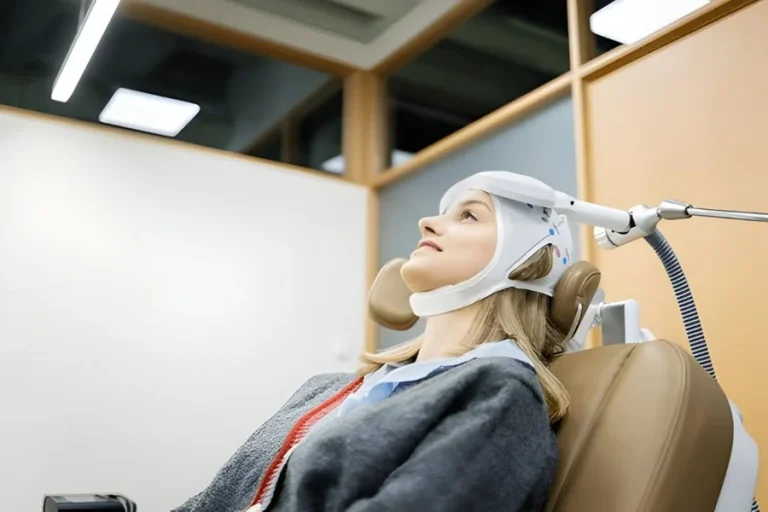
When you arrive for a session, you sit in a comfortable chair. A technician places a small coil against your head. You will hear a tapping sound, which is simply the magnetic pulses being delivered. That is all there is to it. You remain awake and fully alert the entire time. Because it is non-invasive, you can bring a book, listen to a podcast, or just chat with the staff while the machine does its work.
The sessions are designed to fit into your busy life. Most people need a series of sessions over several weeks to see the best results, but you are free to go about your day immediately after you leave the clinic. There is no downtime, no recovery period, and no sedative needed.
Why People Choose This Over Medications
One of the biggest reasons people explore this option is to avoid the systemic side effects that often come with traditional antidepressant medications. Medications are processed through your whole body, which is why they often come with a laundry list of side effects like weight gain, digestive issues, or constant fatigue. Because this therapy is targeted, it avoids those full-body interactions.
You are not swapping one problem for another. You are giving your brain the physical stimulation it needs to heal naturally.
- Non-invasive and safe: There is no surgery, anesthesia, or complex preparation involved.
- Fits your lifestyle: Sessions are quick and require no recovery time, allowing you to return to work or family activities right away.
- Proven results: Many people report significant improvements where other methods have failed to provide relief.
- Targeted approach: It focuses on the specific brain regions associated with mood regulation.
Addressing Your Concerns
It is perfectly normal to feel nervous about trying something new for your mental health. You might wonder if it hurts or if it is right for your specific situation. The sensation is often described as a light tapping on the scalp, which most people get used to within the first few minutes of their first session. Your clinicians will monitor your comfort throughout the process to ensure you feel secure and supported.
Taking the Next Step in Southfield
Starting this journey does not have to be an overwhelming process. Most insurance plans now cover this treatment for qualifying patients, which means you have a straightforward way to access care. The goal is to make sure you get the support you need without the added stress of navigating complicated systems. When you sit down for a consultation, the focus is entirely on your history and your goals.
You do not have to settle for feeling stuck. By exploring advanced mental health treatments, you are taking an active step toward a brighter, more balanced future. If you feel like your current treatment plan has hit a wall, it is worth your time to find out if this approach is the missing piece of your recovery puzzle.
The path forward is rarely a straight line, but having the right tools can make all the difference. When you prioritize your mental health, you are not just treating a condition. You are investing in your ability to connect with your family, succeed in your work, and enjoy the small moments of your day. It is time to look at your options with clarity and confidence.