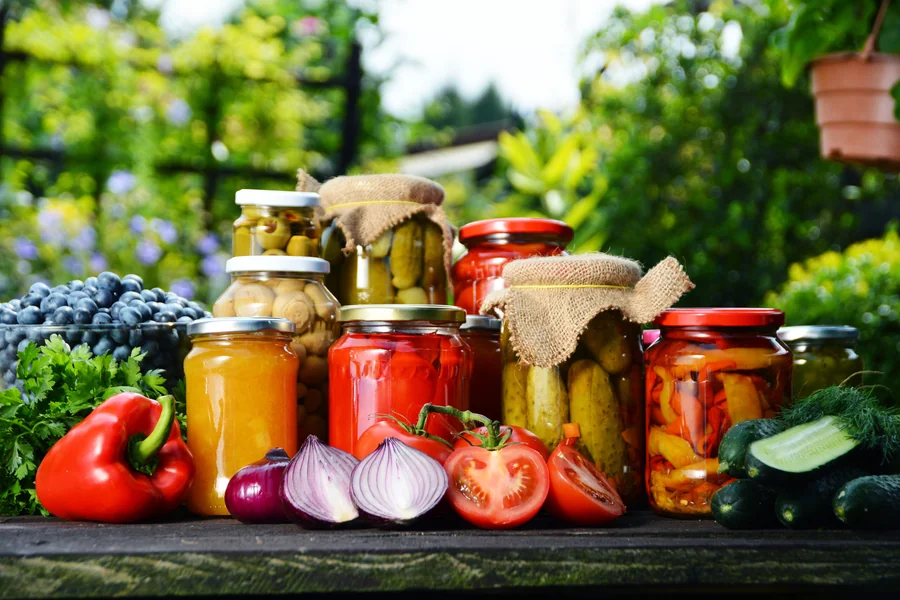
A healthy vegetable garden starts with consistent care and attention to what your plants need. Healthy soil, adequate sunlight, proper watering, regular maintenance, and early pest detection all contribute to stronger growth and better harvests. Whether you are growing a few vegetables in containers or managing a larger backyard plot, simple gardening habits can help your plants thrive throughout the growing season.
Prepare and Maintain Healthy Soil
Healthy soil is the foundation of a productive vegetable garden. Before planting, evaluate the condition of your soil and look for signs that it may need improvement. Soil that is too compacted can restrict root growth, while soil with poor drainage can leave roots sitting in excess moisture. On the other hand, overly sandy soil may drain too quickly and struggle to retain the water and nutrients plants need.
Adding organic matter can improve soil structure and support healthy plant development. Well-decomposed compost can contribute nutrients while helping soil retain moisture and maintain better drainage. Work organic matter into the planting area as appropriate, but avoid adding excessive amounts at once. A balanced growing environment gives vegetable roots access to air, water, and nutrients.
Regularly check your garden beds for erosion, compacted areas, and exposed roots. Avoid walking directly on planting areas whenever possible, since repeated foot traffic can compress the soil. Designated paths between beds can make maintenance easier while protecting the soil around your plants.
Rotate Your Crops
Crop rotation can help maintain soil health and reduce the likelihood of recurring problems. Instead of planting the same type of vegetable in exactly the same location year after year, move related crops to different areas when space allows.
Different plants can have different nutrient requirements and may be affected by different soil-borne pests or diseases. Rotating plant families can help break recurring cycles and make your garden less vulnerable to problems that become established when the same crops are continuously grown in one location.
Water Plants the Right Way
Water is essential for vegetable growth, but more water does not always mean healthier plants. Overwatering can encourage root problems, while insufficient moisture can cause wilting, poor growth, and reduced yields. The right watering schedule depends on your climate, soil type, plant varieties, and current weather conditions.
Rather than relying solely on a fixed schedule, check the soil and observe your plants. Water when the soil is becoming dry at the appropriate depth for the plants you are growing. Give plants enough moisture to reach their root zones without leaving the soil continuously saturated.
Watering close to the base of plants can also be more effective than repeatedly wetting the leaves. Wet foliage that remains damp for long periods can create conditions that encourage certain fungal diseases. Morning watering can give leaves and surrounding surfaces more opportunity to dry during the day.
Use Mulch to Retain Moisture
A suitable layer of organic mulch can help regulate soil moisture and temperature while reducing weed growth. Mulch can also reduce the amount of soil that splashes onto plant leaves during watering or rain.
Keep mulch slightly away from the stems of vegetable plants to avoid creating an excessively damp environment around the base. Check the soil underneath the mulch regularly because the surface may appear dry even when the soil below still contains adequate moisture.
Provide Proper Sunlight and Spacing
Most vegetables need sufficient sunlight to grow well, although the exact requirements vary by plant. Observe your garden throughout the day to understand which areas receive full sun and which remain shaded. Position sun-loving vegetables where they can receive the light they require without being blocked by taller plants or structures.
Spacing is equally important. It can be tempting to plant vegetables close together to maximize available space, but overcrowding can limit airflow and increase competition for water and nutrients. Plants that are packed tightly together may also create humid conditions that favor certain diseases.
Follow the recommended spacing for each vegetable as closely as practical. If you are growing in containers or small beds, choose varieties suited to the available space rather than trying to fit too many plants into one area.
Support Climbing and Heavy Plants
Some vegetables benefit from physical support as they grow. Trellises, stakes, cages, and other appropriate supports can keep plants upright, improve airflow, and prevent fruits from resting directly on damp soil.
Install supports early when possible so you do not disturb established roots later. Secure growing stems gently and check supports periodically as plants become larger and heavier.
Inspect Plants for Pests and Diseases
Regular inspection is one of the simplest ways to protect a vegetable garden. Walk through your garden frequently and examine the leaves, stems, flowers, and developing vegetables. Look for holes, discoloration, wilting, distorted growth, unusual spots, or insects gathered on the plant.
Early detection makes problems easier to manage. If you notice a small number of pests, removing them by hand or trimming heavily affected plant material may sometimes be sufficient. Avoid automatically applying treatments without first identifying the problem, since beneficial insects can also be harmed by unnecessary pest-control measures.
Diseases can spread quickly when affected plants are left unattended. Remove severely damaged plant material when appropriate and dispose of it properly rather than placing diseased material into a compost system unless you are certain your composting method can safely process it.
Keep Weeds Under Control
Weeds compete with vegetables for sunlight, water, nutrients, and growing space. They can also provide hiding places for some pests. Remove weeds while they are small, taking care to avoid disturbing the roots of nearby vegetables.
Regular cultivation by hand or with suitable gardening tools can keep weeds manageable. Mulching can provide another layer of protection by limiting the amount of light that reaches newly emerging weeds.
Protect Your Garden From Rodents and Other Pests
Vegetable gardens can attract unwanted visitors because growing plants, ripe produce, seeds, and fallen vegetables provide potential food sources. Inspect your garden regularly for signs of animal activity, including damaged vegetables, disturbed soil, droppings, tracks, or gnaw marks.
Harvest ripe vegetables promptly rather than allowing produce to remain on plants after it is ready. Pick up fallen fruits and vegetables and keep garden waste under control. These simple steps reduce readily available food sources and can make your garden less appealing to unwanted animals.
Check fences, garden borders, storage areas, and other structures for gaps that could allow pests to enter. If repeated rodent activity becomes difficult to manage, professional rodent control in Dallas may help identify access points and develop an appropriate prevention strategy.
Encourage Beneficial Garden Wildlife
Not every insect or animal in your garden is harmful. Some insects help pollinate plants, while others feed on pests that can damage vegetables. Avoid treating every unfamiliar insect as a threat.
Plant diversity can support a healthier garden ecosystem. When practical, growing a variety of flowering plants near vegetable beds can provide food and habitat for beneficial insects. Maintaining a balanced environment can reduce the need for aggressive pest-control measures.
Feed Plants According to Their Needs
Vegetables require nutrients for healthy roots, leaves, flowers, and fruit. However, fertilizer should be used thoughtfully rather than applied simply because plants appear to be growing slowly. Excessive nutrients can damage plants, contribute to weak growth, or create other soil-management problems.
Before adding fertilizer, consider your soil condition and the needs of the specific vegetables you are growing. Different crops have different nutritional requirements, and plants at different stages of development may also need different levels of nutrients.
Organic matter added to the soil can contribute to long-term fertility, while appropriate fertilizers can supplement specific nutrients when necessary. Follow application directions carefully and avoid placing concentrated fertilizer directly against plant stems or roots.
Watch for Signs of Nutrient Problems
Plant appearance can sometimes provide clues about nutritional issues. Yellowing leaves, unusually slow growth, poor fruit development, or abnormal coloring may indicate a problem, although similar symptoms can also result from pests, disease, watering issues, or environmental stress.
Instead of guessing, examine growing conditions first. Check moisture levels, sunlight, soil quality, and signs of insects or disease. Understanding the underlying cause before changing your fertilizing routine can prevent unnecessary treatment.
Keep the Garden Clean and Well Maintained
Good garden hygiene can help prevent many avoidable problems. Remove dead leaves, damaged produce, fallen vegetables, and excessive plant debris from growing areas. Organic material can be useful in composting, but diseased or pest-infested material should be handled carefully.
Clean gardening tools regularly, particularly after working with plants that show signs of disease. Keeping tools reasonably clean reduces the chance of transferring contaminants between plants and garden beds.
At the end of a growing season, remove spent annual vegetable plants and prepare the soil for the next crop. Clearing old plant material can reduce places where certain pests and diseases may persist.
Keep a Gardening Schedule
A simple maintenance schedule can make vegetable gardening much easier. Set aside time for watering checks, weeding, harvesting, pruning, pest inspections, and soil maintenance. Regular short sessions are usually more manageable than waiting until the garden becomes heavily overgrown.
Keep notes about what you plant, when you plant it, how well different vegetables perform, and which problems appear during the season. These observations can help you make better decisions in future growing cycles and gradually develop a routine suited to your garden.
Conclusion
Maintaining a healthy vegetable garden is largely about consistency rather than complicated techniques. By building healthy soil, providing appropriate water and sunlight, controlling weeds, inspecting plants, managing pests, and keeping garden areas clean, you create better conditions for vegetables to flourish. Regular observation also helps you catch problems early, making everyday maintenance easier and supporting healthier, more productive harvests throughout the season.