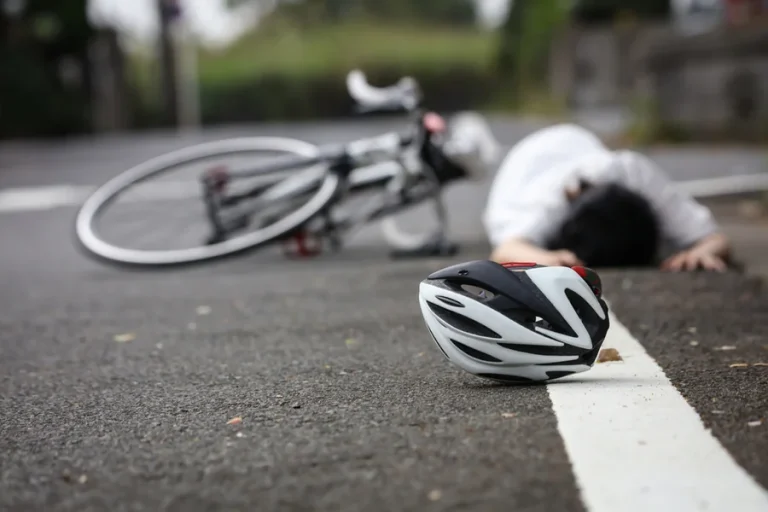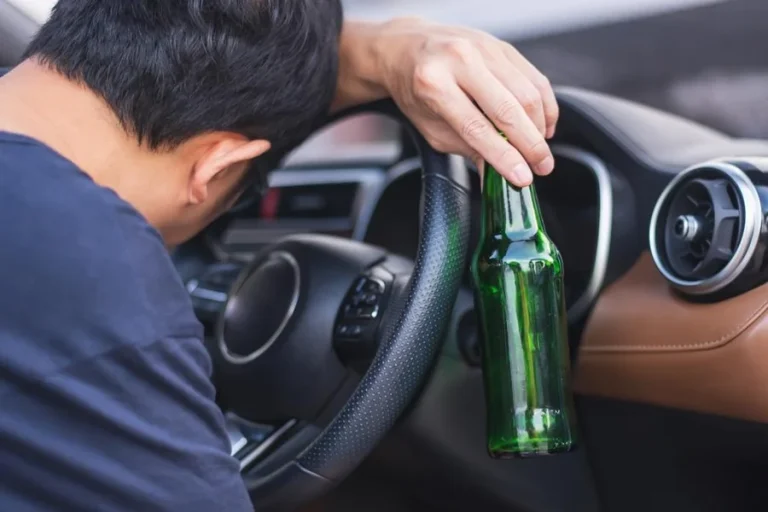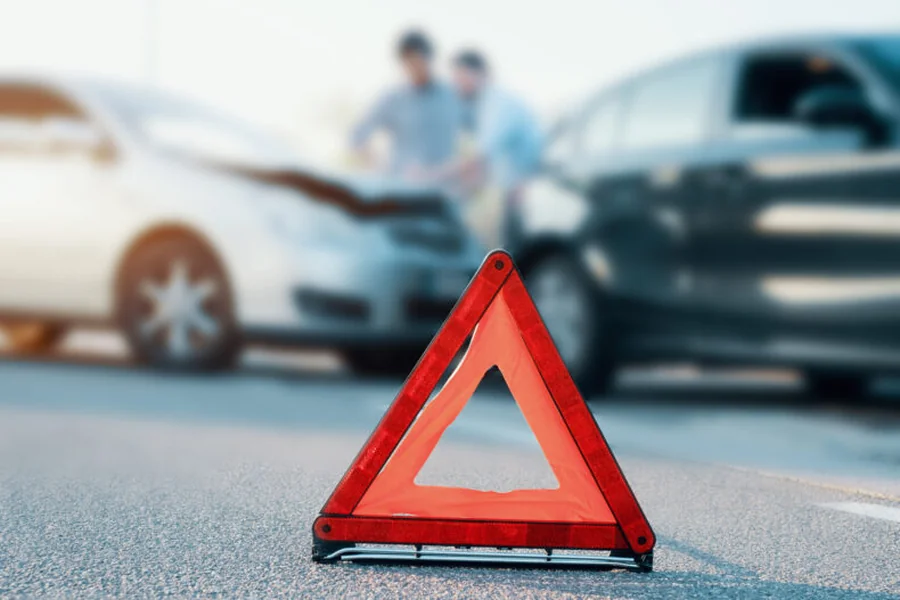
Every time you get behind the wheel, you enter a dynamic environment where conditions change in a split second. A sunny commute can turn into a torrential downpour, a calm highway can suddenly become a parking lot due to an accident, and the driver in the lane next to you might be paying more attention to their phone than the road.
Most drivers rely on their reflexes to get them out of trouble. They react when brake lights flash or when a car swerves into their lane. However, reaction time is often the difference between a near-miss and a collision. The safest drivers don’t just react; they anticipate. They treat driving as an active skill rather than a passive routine. By understanding common road hazards and preparing for them before the engine even starts, you can significantly reduce your risk of injury and vehicle damage.
Here is how prepared drivers navigate the most frequent dangers on the road.
The Art of Defensive Scanning
The most effective tool a driver has is their vision, but where you look matters just as much as what you see. Many drivers fall into the habit of staring at the bumper of the car directly in front of them. While this helps you stop if they brake, it leaves you blind to what is happening further down the road.
Prepared drivers practice “high-aim” steering. They scan the road 12 to 15 seconds ahead of their current position. This technique allows them to spot brake lights, debris, or stalled vehicles long before they become an immediate threat. If you see traffic slowing down a quarter-mile ahead, you can ease off the accelerator and tap your brakes early to alert the driver behind you, preventing a panic stop later.
Mastering Adverse Weather
Weather is a major factor in road safety, yet many people drive the same way in rain or snow as they do in dry conditions. Prepared drivers adjust their behavior the moment the weather turns.
Rain and Hydroplaning
Rain is deceptive. It creates a thin layer of water between your tires and the asphalt, which can lead to hydroplaning—a terrifying loss of steering and braking control. This is most dangerous during the first few minutes of a storm when rain mixes with oil and dust on the road surface to create a slick, greasy layer.
To avoid this, reduce your speed immediately. Cruise control should never be used in wet conditions, as it can cause the wheels to spin faster if they lose traction. If you do hydroplane, the correct response is counter-intuitive: ease off the gas and steer in the direction you want to go. slamming on the brakes will only lock your wheels and cause a spin.
Snow and Ice
Winter driving requires a different mindset. Traction is minimal, and stopping distances can increase by up to ten times. Prepared drivers increase their following distance significantly—shifting from the standard three-second rule to eight or ten seconds.
They also understand the danger of “black ice,” a transparent coating of ice that blends in with the pavement. It often forms on bridges and overpasses before the rest of the road freezes because cold air circulates both above and below the surface. Approaching these structures with caution and without sudden inputs to the steering or brakes is crucial.
Navigating Around Distracted Drivers
You can control your own vehicle, but you cannot control the drivers around you. Distracted driving is a leading cause of accidents today. Spotting a distracted driver is often easy: they may drift within their lane, vary their speed inconsistently, or have their head down looking at a device.
The best defense is distance. If you identify a distracted driver, do not linger in their blind spot or drive alongside them. Safely pass them if possible, or drop back to create a buffer zone. Never engage with them or try to signal them to put their phone down, as this can escalate into road rage or distract you from your own driving.
Vehicle Maintenance as Prevention
Many road hazards originate from the vehicle itself. A blown tire or brake failure can turn a manageable situation into a crisis. Prepared drivers view maintenance as a safety ritual, not just a chore.
Checking tire pressure monthly is essential. Under-inflated tires generate excessive heat, which is a primary cause of blowouts, especially at highway speeds. Furthermore, checking tire tread depth ensures you have the grip necessary to stop quickly. The “penny test”—inserting a penny into the tread with Lincoln’s head facing down—is a quick way to check; if you can see all of Lincoln’s head, it is time for new tires.
Ensuring all lights and signals are working is equally important. Being visible to other drivers is your first line of defense, especially in low-light conditions or bad weather.
Reacting to Sudden Mechanical Failures
Even with perfect maintenance, mechanical failures can happen. A tire blowout at 65 miles per hour is a loud, violent event that can cause a vehicle to pull sharply to one side. The natural instinct is to slam on the brakes, but this is the worst thing you can do. Braking shifts the vehicle’s weight forward, destabilizing it further.
Instead, grip the steering wheel firmly to maintain your lane. Ease off the gas pedal slowly to let the car decelerate naturally. Once you have regained control and slowed down, signal and move to the shoulder. Knowing this theoretical response beforehand can help you override your panic reflex in the moment.
When Prevention Fails
Despite scanning the road, maintaining your vehicle, and driving defensively, you cannot eliminate every risk. Sometimes, another driver’s negligence makes a collision unavoidable.
If you are involved in a crash, your preparation shifts to managing the aftermath. First, ensure everyone is safe and call emergency services. Document the scene with photos and exchange information. Later, dealing with insurance companies and liability claims can be complex. In these instances, seeking professional guidance is often necessary to ensure your rights are protected. Consulting an auto accident attorney in Salt Lake City, or a legal expert in your specific jurisdiction, can provide the support needed to navigate the legal complexities while you focus on recovery.
Stay Safe and Alert
The road is a shared space filled with variables you cannot control. However, by adopting a mindset of preparation rather than reaction, you significantly stack the odds in your favor. Whether it is keeping your tires in top shape, respecting the weather, or scanning the horizon for trouble, these habits do more than just make you a better driver—they help ensure you arrive at your destination safely every time.