

How Does Everyday Life Change After a Severe Personal Injury?
A severe personal injury can change a person’s life in ways that are not always visible at first.
While the accident itself may last only seconds, the effects can continue for months or even years. Daily routines, relationships, work life, and emotional well-being often shift in unexpected ways. Many people find that simple tasks become difficult, and independence is reduced. Recovery is not just about healing the body but also adjusting to a completely new lifestyle.
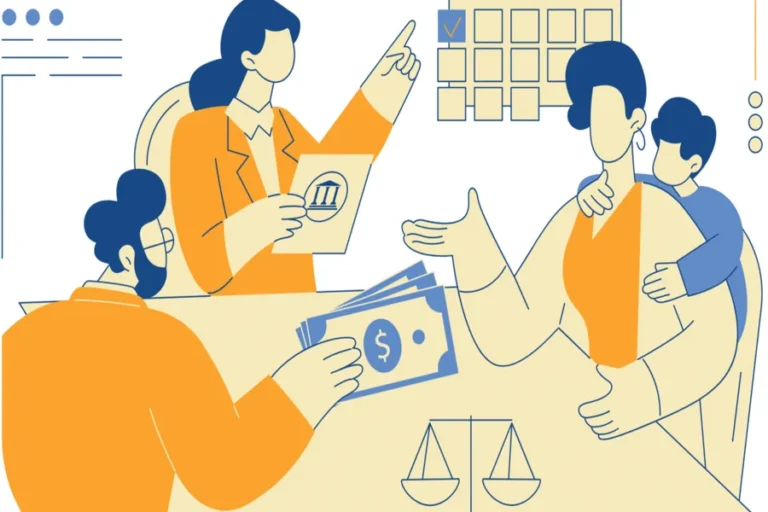
In many situations, seeking help from an experienced personal injury lawyer can also become an important step in understanding rights and future support after such life-changing events.
Why Recovery Involves More Than Physical Healing
Recovery after a serious injury is not only about healing the body. It also involves adjusting to new limitations and routines.
Many people expect to return to normal quickly, but recovery often takes longer than expected. Pain, reduced mobility, and emotional stress can continue for months.
This is why recovery is seen as a full life adjustment rather than only a medical process.
The Physical Challenges That Reshape Daily Routines
Changes in Mobility and Independence
Severe injuries often limit movement. Walking, standing, or lifting objects may become difficult.
Some individuals may rely on mobility aids or need help from family members. This loss of independence can strongly affect confidence and daily comfort.
Ongoing Medical Care and Rehabilitation
Medical treatment often continues long after the accident. Physical therapy, medication, and follow-up visits become part of everyday life.
These routines replace normal activities and require careful planning and time management.
How Personal Relationships Can Be Affected
Injury recovery often changes family roles. A spouse or relative may take on caregiving duties.
This shift can create emotional stress for everyone involved. Relationships may feel different because daily responsibilities are no longer balanced the same way.
Support and understanding become very important during this stage.
The Emotional Side of Living With a Serious Injury
Dealing With Anxiety, Stress, and Frustration
Emotional recovery can be just as difficult as physical healing. Many people feel stress, frustration, or worry about the future.
Loss of independence and uncertainty about recovery often increase emotional pressure.
Rebuilding Confidence and Finding New Routines
Over time, individuals begin to adjust. Small improvements in health can help rebuild confidence.
Family support, counseling, and patience play an important role in emotional healing.
Financial Pressures That Continue After the Accident
Serious injuries often lead to long-term financial strain. Medical treatment, therapy, and medication can be expensive.
At the same time, many victims cannot return to work immediately, which reduces household income.
These financial challenges can continue long after the accident itself.
Returning to Work and Normal Activities
Going back to work is often difficult after a serious injury. Some individuals may not be able to return to their previous job at all.
Others may need reduced hours or modified duties depending on their condition.
An experienced personal injury lawyer can sometimes help victims understand compensation options related to lost income and reduced earning ability.
How Long-Term Lifestyle Changes Influence Future Planning
A serious injury can permanently change how a person plans their future.
Daily routines, career choices, and personal goals may all need to be adjusted. Some individuals may also need ongoing care or support.
These long-term changes affect not just the injured person but also their entire family.
Finding Stability After a Life-Changing Injury
Adjusting to life after an injury takes time. Progress is usually gradual, not immediate.
People often focus on small improvements instead of quick recovery.
Legal and medical support together can help individuals rebuild stability after a difficult experience involving severe injuries or even wrongful death cases in extreme situations.
Conclusion
A severe personal injury affects every part of life, including physical health, emotional well-being, finances, and relationships. Recovery is not a simple process and often requires long-term adjustment. While life may not return exactly to how it was before, many people find new routines and stability over time. Understanding these changes helps individuals and families prepare better for the challenges ahead and seek the right support when needed.





One Comment