Dental implants have become a leading solution for individuals seeking to restore their oral functionality and aesthetics. Among these, full mouth dental implants represent a comprehensive approach to replacing an entire arch of missing or severely damaged teeth. This guide aims to provide an extensive overview of full mouth dental implants, covering their benefits, considerations, and procedural details.
Understanding Full Mouth Dental Implants
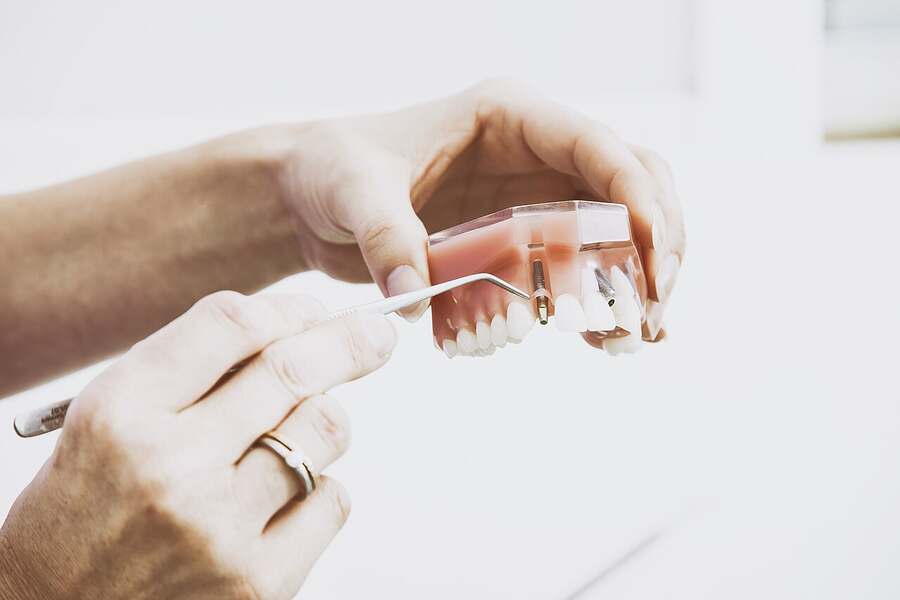
Full mouth dental implants involve the placement of multiple titanium implants into the jawbone to support an entire set of prosthetic teeth. This approach is often utilised when a patient has lost most or all of their natural teeth in either the upper or lower jaw. Unlike traditional dentures, implants offer a fixed and stable solution, greatly enhancing comfort and function. Cleveland Clinic offers a clear medical overview of how dental implants work.
Types of Full Mouth Implant Treatments
There are several techniques available for full mouth dental implants, with the most common being the All-on-4 or All-on-X methods. These techniques use four to six strategically placed implants to support a full arch of teeth, reducing the need for extensive bone grafting procedures and shortening overall treatment time.
Advantages of Full Mouth Dental Implants
One of the primary benefits of full mouth dental implants is the restoration of chewing efficiency. Unlike removable dentures, implants allow individuals to eat a wide variety of foods without discomfort or fear of slipping. Additionally, implants help preserve the jawbone by providing stimulation similar to natural teeth, preventing bone loss and maintaining facial structure.
Comparison with Traditional Dentures
Traditional dentures rest on the gums and can often cause irritation and difficulty with speech and eating. In contrast, full mouth dental implants are anchored into the jawbone, offering superior stability. This stability leads to enhanced speech clarity and comfort, improving overall quality of life for patients.
Assessment and Suitability
Before proceeding with full mouth dental implants, a comprehensive dental assessment is necessary. This includes radiographic imaging to evaluate bone density and volume, as sufficient bone is required to securely anchor the implants. Patients with insufficient bone may need grafting procedures or alternative implant techniques.
Considerations for Implant Candidates
Ideal candidates for full mouth dental implants are those in good general health, with healthy gums and adequate bone structure. Patients with chronic conditions such as uncontrolled diabetes or those who smoke heavily may face increased risks of implant failure. A thorough medical history and consultation help determine suitability.
The Surgical Process
The surgical phase involves the insertion of titanium implants into the jawbone under local anaesthesia or sedation. This procedure typically takes one to two hours depending on the number of implants placed. In some cases, immediate loading techniques allow for temporary prosthetics to be attached on the same day.
Healing and Osseointegration
Following surgery, a healing period of three to six months is necessary to allow osseointegration, whereby the bone fuses with the implants. This process is critical for the stability and longevity of the implant-supported teeth. Patients are advised to follow post-operative care instructions to ensure proper healing.
Prosthetic Design and Placement
Once healing is complete, impressions are taken to fabricate custom prosthetics that fit precisely and restore functionality. These prosthetic teeth are designed to appear natural and can be tailored to the patient’s aesthetic preferences. The final prosthesis is then securely attached to the implants.
Maintenance and Longevity
Maintaining full mouth dental implants requires good oral hygiene practices, including regular brushing, flossing, and dental check-ups. Unlike natural teeth, implants are resistant to decay; however, they can be affected by peri-implantitis, an inflammatory condition that can lead to implant failure if untreated. Good daily habits matter too, and this dentist’s guide to what really causes tooth decay explains why.
Potential Risks and Complications
While full mouth dental implants offer many benefits, potential risks include infection, implant failure, nerve damage, and sinus problems depending on implant placement. Engaging with a qualified and experienced dental professional minimises these risks significantly.
Cost Considerations
Full mouth dental implants represent a substantial financial investment compared to conventional dentures or partial implants. However, their durability, functionality, and improved quality of life may justify the initial expense for many patients. Some clinicians offer payment plans or financing options.
Technological Advances in Implant Dentistry
Advances such as 3D imaging, computer-guided surgery, and improved biomaterials have enhanced the success rates and predictability of full mouth dental implant procedures. These technologies allow for precise planning and customised care that benefits patient outcomes.
Conclusion
Full mouth dental implants provide a reliable and effective solution for individuals requiring complete tooth replacement. Their ability to restore oral function, improve appearance, and preserve bone structure makes them a preferred option over traditional dentures. A detailed consultation with a dental specialist can determine candidacy and outline the best treatment plan tailored to individual needs.