In recent years, hearing aids have undergone remarkable technological advancements, transforming them from basic amplification devices into sophisticated tools that significantly enhance quality of life. In the Philippines, access to professional hearing aid services is increasingly critical, with specialised centres playing a vital role in supporting individuals with hearing impairments. Many individuals begin their search by visiting a hearing aid centre in the Philippines to receive proper assessment and personalised solutions. Beyond being commercial enterprises, these centres serve as essential resources for empowerment, rehabilitation, and social inclusion for those navigating auditory challenges.
Understanding the Scope of Hearing Loss
Hearing loss is a pervasive issue affecting millions worldwide, including a substantial number of Filipinos across all age groups. Causes are varied, ranging from genetic predispositions and age-related decline to environmental factors such as prolonged exposure to loud noise, untreated infections, and chronic illnesses. Age-related hearing loss, or presbycusis, becomes more prominent as individuals enter middle age and beyond, emphasising the importance of early detection and intervention. Recognising and addressing hearing loss promptly can prevent further deterioration and improve overall communication and quality of life.
Exploring Different Types of Hearing Aids
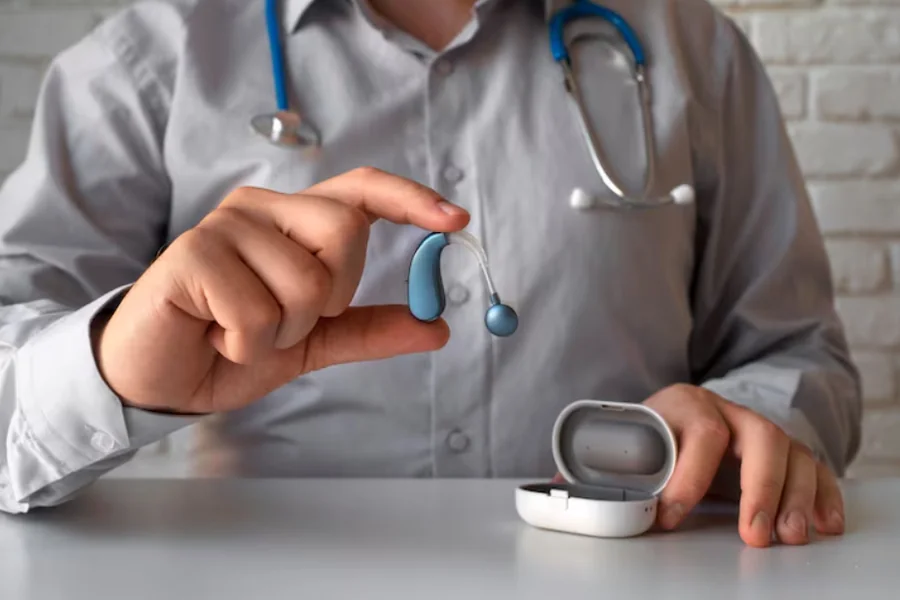
Hearing aids are not one-size-fits-all devices. They come in several types designed to address varying levels of hearing loss and user preferences. Common options include behind-the-ear (BTE), in-the-ear (ITE), in-the-canal (ITC), and completely-in-the-canal (CIC) devices. Each offers specific advantages, whether in terms of comfort, discretion, or amplification capabilities. In the Philippines, hearing aid centres provide a wide array of devices, ensuring individuals can select aids tailored to their particular auditory needs and lifestyle requirements.
The Critical Role of Hearing Aid Centres
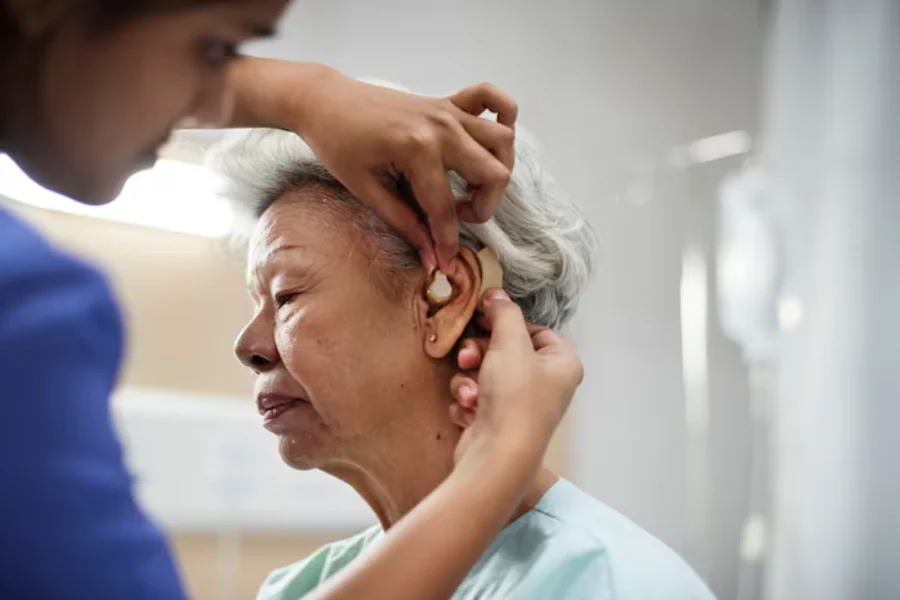
Hearing aid centres function as more than retail locations; they are hubs for diagnosis, treatment, and support. They provide essential audiometry testing to determine the degree and type of hearing loss, forming the foundation for recommending the most suitable hearing aid. Beyond assessments, these centres offer personalised services such as device fitting, tuning, and ongoing adjustments to ensure optimal performance and user comfort.
The guidance provided by trained audiologists and hearing specialists is invaluable. Transitioning to the use of hearing aids can be challenging, and professional support ensures individuals adapt effectively, reducing frustration and increasing the likelihood of long-term usage.
Innovations Transforming Hearing Aid Technology
Modern hearing aids have benefitted from significant technological innovations, enhancing both functionality and user experience. Features such as Bluetooth connectivity, noise reduction, feedback suppression, and rechargeable batteries have revolutionised how users interact with their devices. These advancements allow seamless integration with smartphones, televisions, and other audio sources, making communication in various settings smoother and more natural.
Customising Hearing Solutions for Individual Needs
A key strength of hearing aid centres in the Philippines lies in their ability to provide customised solutions. Devices can be programmed to adapt to different sound environments, such as crowded streets, quiet home settings, or professional spaces. This level of personalisation ensures users receive a balanced auditory experience tailored to their specific circumstances. Centres also offer regular follow-ups and fine-tuning, ensuring that the hearing aids continue to meet evolving needs over time.
Social and Community Benefits
Access to hearing aids has far-reaching implications beyond individual health. Hearing impairment often contributes to social isolation, communication difficulties, and emotional challenges. By facilitating access to appropriate devices, hearing aid centres help individuals regain confidence and actively participate in social, educational, and professional environments. This empowerment strengthens community engagement and promotes inclusivity, ensuring that hearing challenges do not impede full societal participation.
Promoting Hearing Health Awareness
Many hearing aid centres in the Philippines engage in public education to raise awareness about hearing health. Through seminars, workshops, and outreach campaigns, they emphasise the importance of early detection and intervention. These initiatives dispel myths about hearing aids, highlight their benefits, and encourage proactive management of auditory health. By fostering informed decision-making, these centres play a crucial role in reducing stigma and promoting acceptance of hearing devices.
Economic Implications of Hearing Aid Accessibility
The availability of hearing aids also has economic significance. Individuals with improved auditory function can perform more effectively in the workplace, increasing productivity and professional opportunities. By addressing hearing challenges, these services enhance career prospects, contribute to income generation, and ultimately support broader economic development. Accessible hearing aids empower individuals to remain competitive and engaged in their professional and personal pursuits.
Fostering Independence and Empowerment
Beyond professional and social benefits, hearing aids promote independence. Individuals regain autonomy in communication and daily activities, reducing reliance on caregivers or family members. Access to these devices allows people to pursue hobbies, engage in community activities, and live confidently without limitations imposed by hearing impairment. This sense of empowerment transforms lives, reinforcing the value of investing in auditory health services.
Collaboration and Support Networks
Successful hearing care depends on collaboration between hearing aid centres, healthcare providers, government agencies, and non-governmental organisations. Such partnerships are essential for expanding access to services, providing financial assistance, and integrating hearing care into broader healthcare frameworks. Collaboration enhances community outreach, subsidises device costs, and ensures that hearing aids are accessible to a larger population segment.
Government Policies and Accessibility
Supportive government policies play a pivotal role in making hearing aids attainable for all Filipinos. Initiatives like subsidies, insurance coverage, and public health programs help reduce financial barriers and make hearing devices a standard component of healthcare. Government-backed efforts ensure that hearing aids are recognised not as luxury items but as essential tools for improving quality of life.
Overcoming Barriers and Challenges
Despite technological progress and increased awareness, challenges remain. Cost remains a significant barrier for many individuals, while social stigma and limited knowledge about hearing aids prevent some from seeking help. Addressing these issues requires sustained advocacy, education, and accessible services. Hearing aid centres continue to play a crucial role in bridging these gaps, ensuring that more people receive timely support.
Looking Ahead: The Future of Hearing Care in the Philippines
The future of hearing health in the Philippines is promising, fuelled by ongoing innovation and greater public awareness. Research and development are leading to more sophisticated, user-friendly, and affordable hearing aids. Coupled with community education and collaborative initiatives, these advancements can significantly improve accessibility and acceptance of auditory devices.
By integrating hearing health into primary healthcare systems and expanding outreach efforts, the vision of comprehensive auditory care becomes increasingly achievable. As technology evolves and awareness grows, the Philippines is poised to offer broader access to quality hearing aids, fostering inclusivity, independence, and improved quality of life for all individuals with hearing loss.
Conclusion
Hearing aids have become indispensable tools for enhancing communication, social engagement, and independence. In the Philippines, access to professional hearing aid centres is critical in providing diagnostic services, customised device solutions, and ongoing support for users. By combining technological innovation, educational initiatives, and community outreach, these centres not only improve individual lives but also strengthen social inclusion and economic participation.
As awareness grows and government policies support accessibility, hearing aids are increasingly recognised as essential components of healthcare. The commitment to expanding access and reducing stigma ensures that individuals with hearing loss can achieve their full potential, actively engage in society, and enjoy a higher quality of life.