Noticing an unusual amount of hair lingering in your brush or watching your hairline subtly recede can be a deeply unsettling experience. Hair loss—known medically as alopecia—affects millions of adults worldwide, across all age groups and genders. While cultural narratives often dismiss thinning hair as an inevitable marker of getting older, hair follicle health is actually a sensitive barometer of your overall biological wellness.
To find sustainable solutions, it is essential to look beneath the surface and uncover what is driving the shedding. Here is a closer look at the primary underlying triggers of hair loss in adults.
1. Genetic Predisposition (Androgenetic Alopecia)
The most frequent culprit behind adult hair loss is androgenetic alopecia, commonly referred to as male- or female-pattern baldness. This inherited condition is driven by genetics and androgen hormones, particularly dihydrotestosterone (DHT).
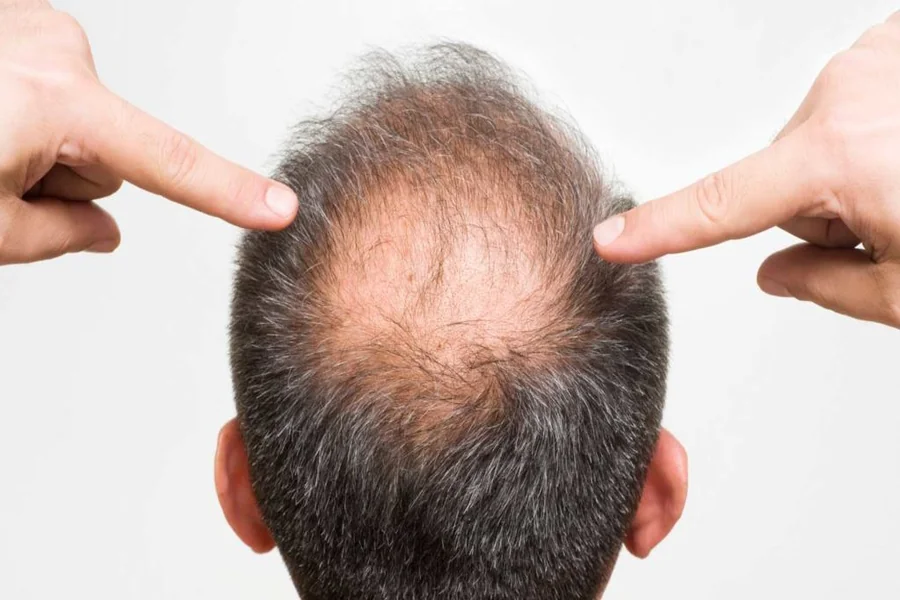
In genetically sensitive individuals, DHT binds to hair follicles, causing them to progressively shrink over time. As these follicles miniaturize, they produce thinner, shorter, and less visible strands until growth stops entirely in affected areas. Men typically experience a receding hairline and thinning at the crown, whereas women usually notice diffuse thinning along the center part.
2. Hormonal Shifts and Endocrine Imbalances
Hormones serve as chemical messengers across the body, and even minor disruptions can knock the hair growth cycle off balance.
- Thyroid Dysfunction: Both hypothyroidism (underactive thyroid) and hyperthyroidism (overactive thyroid) can interrupt normal follicular cycles, leading to widespread, uniform hair thinning.
- Reproductive Hormones: Women frequently experience noticeable shedding following childbirth, during perimenopause, or when transitioning off hormonal birth control due to sudden drops in estrogen.
- Polycystic Ovary Syndrome (PCOS): Elevated androgen levels associated with PCOS can cause scalp hair thinning alongside excess body or facial hair growth.
3. Autoimmune Disorders and Systemic Inflammation
In some cases, hair loss occurs because the immune system mistakenly targets healthy tissues. Conditions like alopecia areata develop when immune cells attack hair follicles directly, causing sudden hair loss in smooth, circular patches.
Systemic conditions such as lupus, Hashimoto’s thyroiditis, and rheumatoid arthritis can also trigger chronic inflammatory responses that weaken hair roots and impair healthy growth. Evaluating immune health and gut barrier function is often a crucial step when investigating unexplained or sudden shedding. For individuals navigating complex inflammatory or immune challenges, seeking dedicated autoimmune disease care in Glenview can provide essential diagnostic clarity and targeted holistic strategies to soothe systemic triggers.
4. Nutritional Deficiencies
Hair follicles are among the most metabolically active structures in the human body. Because hair is non-essential for survival, your body quickly diverts nutrients away from scalp follicles to vital organs whenever nutrient supplies drop. Key deficiencies that trigger shedding include:
- Iron: Low serum ferritin (stored iron) is one of the most common non-genetic causes of hair thinning in adult women.
- Zinc and Vitamin D: Both play pivotal roles in follicular cellular turnover, tissue repair, and immune regulation.
- Essential Proteins and B-Vitamins: Adequate amino acids and B-complex vitamins (like biotin and B12) are necessary to construct strong keratin strands and supply oxygen to the scalp.
Crash dieting, restrictive eating habits, or gastrointestinal malabsorption can easily starve hair roots of these critical building blocks.
5. Chronic Stress and Telogen Effluvium
Significant physical or emotional strain can shock the body’s regulatory mechanisms, causing a condition known as telogen effluvium. Under extreme stress—such as a high fever, major surgery, sudden loss, or prolonged emotional anxiety—a large percentage of active hair follicles are pushed prematurely into the resting (telogen) phase. Approximately two to three months after the initial event, excessive shedding begins across the scalp.
Taking the First Step Toward Hair Restoration
Because adult hair loss can stem from an interplay of genetic sensitivity, metabolic health, nutrient status, and immune activity, there is rarely a single quick-fix answer. Addressing hair thinning effectively requires a comprehensive, root-cause approach that considers your body as an interconnected system. By partnering with knowledgeable integrative health providers, optimizing daily nutrition, and resolving systemic imbalances, you can restore scalp vitality and foster healthy, resilient hair growth.