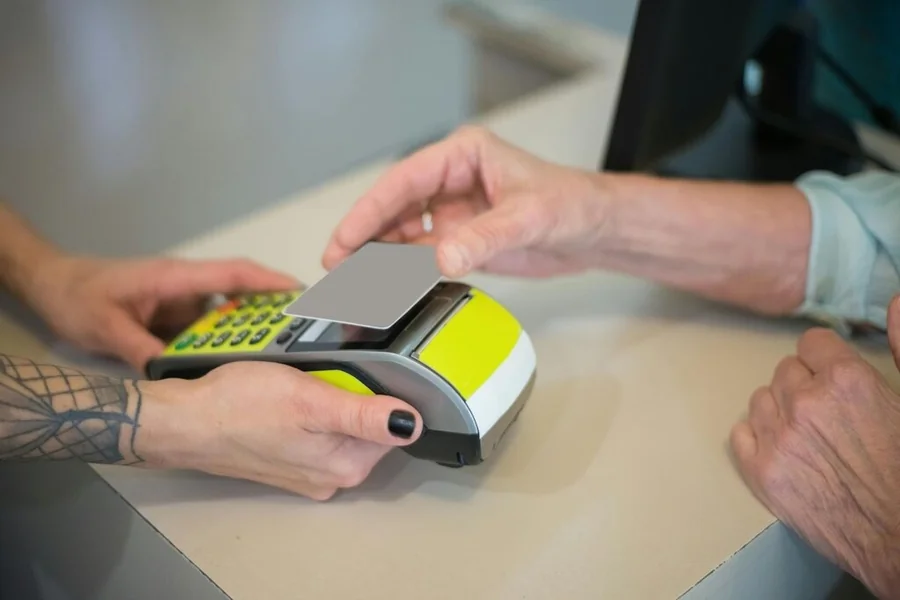
Imagine yourself at a Barcelona hotel desk. Midnight. You’ve just survived ten hours in the air. The clerk swipes your card—declined. Your bank locked everything down. The SMS code? Never arrives. They can’t hold your room past one in the morning. Sounds dramatic? It happens every single day to unprepared travelers dealing with travel payment issues. Here’s what we’re fixing today: keeping your finances working with prep lists that matter and real-time solutions for credit card problems while traveling, mystery foreign transaction fees, ATM nightmares, authentication lockouts, plus finding the best travel credit cards that won’t abandon you overseas.
Here’s the kicker: 75.7% of travel sector merchants are reporting an increase in fraud in 2024, which means banks everywhere are cranking up their security filters. More oversight translates directly into more false alarms blocking legitimate purchases by actual travelers like you.Before jumping to fixes, you’ve got to understand why these failures happen—the triggers are way more specific than you’d think.
Why Your Cards Fail Abroad (The Patterns Nobody Tells You)
Payment breakdowns overseas aren’t random. They follow recognizable patterns, and knowing them transforms panic into productive action.
When Hotels, Airlines, and Kiosks Say No
Offline payment terminals sometimes lose sync with your bank’s systems. Chip-only readers reject old magnetic strips outright. Certain merchant codes—hotels and rental car desks, especially—automatically trip security blocks. Your ZIP code won’t match international address formats. High-risk geographic flags can freeze everything the second your plane lands.
What works? Pack cards from two separate networks—both Visa and Mastercard.
Keep the physical plastic even when you love Apple Pay. Save your bank’s international contact number somewhere offline, because mobile data vanishes exactly when you’re desperate. Want those crucial bank alerts and approval requests to reach you without hunting for café Wi‑Fi? Get esim pay as you go coverage sorted before departure so you stay connected during check-ins, transit chaos, and midnight emergencies. Even when the physical swipe succeeds, your bank’s fraud detection might have different ideas entirely.
Fraud Algorithms That Lock You Out
Sudden location jumps look sketchy to automated monitoring. Multiple tiny purchases—espresso, metro pass, pastry, another espresso—resemble stolen card testing patterns. A big hotel deposit holds trigger warnings. Weird ATM activity, like pulling cash in three different countries within two days, screams compromise.
Submit travel notices wherever your bank allows them. Whitelist your destinations through the app beforehand. Keep spending patterns reasonable—don’t suddenly max everything on day one. And here’s critical advice: never hammer a declined transaction five consecutive times; that’s fraud behavior to algorithms. Dodging card issues by hitting the nearest ATM seems logical—until that machine becomes your new problem.
ATM Disasters and Cash Withdrawal Traps
Your bank’s daily limits collide with local ATM caps. Result? You can’t extract the cash you actually need. Dynamic currency conversion (DCC) at ATMs silently costs you five to eight percent through terrible rates. Some machines swallow cards that hesitate too long. Surcharge stacking—your institution’s fee layered onto the operator’s charge—bleeds accounts fast.
Stick with bank-branded ATMs whenever possible. Refuse DCC every single time. Make fewer withdrawals for larger amounts instead of constant small ones. Know your emergency cash backup plan before desperation hits. Beyond ATMs, another budget vampire lurks at check-in counters: security deposit holds that can freeze funds for weeks.
Security Deposits That Hijack Your Available Money
Hotels and car agencies place deposits that lock up available credit or actual cash for seven to thirty days. When you’re using a debit card? That’s real money you can’t touch. Credit cards handle this better since holds don’t drain your checking balance directly.Maintain a credit cushion—never book a two-thousand-dollar trip on a card with a twenty-one-hundred-dollar limit. Remember, 31% of hotels say manual reconciliation delays growth, meaning reversals can drag longer than expected even after you’ve checked out.
Fixing these requires banking app access or identity confirmation—but roaming can sabotage even that.
When Apps and Verification Codes Fail You
SMS codes vanish internationally. Banking apps lock you out by detecting suspicious login locations. SIM swap protections backfire when you legitimately swap SIMs abroad.Install authenticator apps or app-based two-factor systems before leaving. Register your current device as trusted. Print physical backup codes.
Enable Wi-Fi calling if your carrier supports it. These steps prevent the horror of needing identity confirmation when texts won’t deliver. Now that you see the traps, let’s disable them before boarding: here’s your 72-hour countdown for keeping your wallet functional worldwide.
Getting Your Payments Ready Before Takeoff
Your Card Setup Window (72 to 24 Hours Before Departure)
Verify your cards have zero foreign transaction fees—usually three percent per swipe. Check expiration dates; expired plastic in Prague helps nobody. Update contact information so your bank can actually reach you. Raise temporary spending caps if booking expensive items overseas.
Activate travel modes in banking apps. Enable transaction alerts for every single purchase, regardless of size. Load cards into Apple Pay or Google Pay. Generate virtual card numbers if available—they’re perfect for questionable online bookings. Preparing existing cards is baseline, but if yours charge foreign fees or lack solid fraud protection, you’re already starting behind.
Picking Travel Cards That Actually Protect You (Beyond Reward Points)
Non-negotiables: zero foreign transaction fees, robust around-the-clock fraud support, worldwide acceptance (Visa and Mastercard dominate; Discover struggles abroad), emergency replacement service, and rental coverage where applicable.
Bonus features: airport lounge access, trip delay insurance, purchase protection, and multi-currency account capabilities. Balance one premium option with one no-annual-fee backup and one local debit card for ATM use. Don’t chase points exclusively—reliability beats rewards when you’re stranded overseas.Even the world’s best single card can fail at the absolute worst moment, which is exactly why experienced travelers never depend on one payment method.
Building Your Three-Layer Payment Backup System
First layer: primary credit card with zero FX charges. Second layer: backup card on a different network from a separate bank. Third layer: cash plus emergency options like family wire transfers, Western Union, or MoneyGram.Store backups apart. Never keep everything in one wallet. Stash emergency cash in small bills—twenties and smaller spend easier than hundreds. For wire transfers, a little research goes a long way. RemitFinder helps you compare various providers to find the best exchange rate to send money from Canada to India or any other country, so your family can get funds to you quickly without losing money on a poor rate. Your perfect card lineup still needs ground truth: what works brilliantly in Tokyo might strand you in rural Greece.
Researching Your Destination’s Payment Reality
Figure out whether you’re heading somewhere cash-heavy or card-friendly. Germany still runs on cash; Scandinavia is practically cashless. Check if contactless is standard. Understand how aggressively merchants push DCC in that specific region.
Bring some local currency for transit, tipping, rural merchants, and internet outages. You can’t always tap your way onto every bus or train. Preparation cuts risk dramatically, but when cards decline mid-trip anyway, you need fixes that work immediately—not after waiting 48 hours for callbacks.
When Cards Fail Mid-Trip: Immediate Fixes That Work
Your Troubleshooting Sequence for Declined Transactions
Try chip first, then contactless, then magnetic swipe if permitted. Move to a different terminal or request payment in local currency instead of home currency. Pull out your backup card.Check your banking app for fraud alerts. Confirm you’ve got available credit—earlier holds might be maxing your limit.
Call your bank using that offline number you saved and request a merchant unblock for incorrectly flagged transactions. The decline situations that create the most traveler panic usually happen at hotel desks and rental counters, where deposits and policies create perfect storms.
Handling Hotel and Car Rental Special Cases
Name mismatches between reservations and cards trigger rejections. Deposit amounts frequently exceed expectations. Debit cards face harsher restrictions than credit cards. Prepaid rates sometimes block changes or refunds, causing checkout confusion.
Ask about splitting the payment across two cards. Request reduced deposits if you carry upgraded insurance. Use credit for holds, never debit. Ask about authorization reversal timelines, so you know when money returns. When troubleshooting fails because the card physically disappears, speed and clear action sequences determine whether your trip continues or collapses.
Emergency Response for Lost or Stolen Cards
Freeze the card instantly through your banking app. File theft reports if insurance or disputes require documentation. Request emergency replacement—many issuers ship to hotels within 24 to 48 hours.Maintain a card-on-file for essentials like airline bookings and hotel reservations. Use separate cards for daily spending so one loss doesn’t kill all access. Getting cards to function is half the challenge—the other half is ensuring each transaction doesn’t quietly drain three to seven percent of your budget.
The Hidden Costs Bleeding Your Travel Budget
Understanding and Dodging Foreign Transaction Fees
These charges come from card issuers, typically one to three percent per transaction. Network fees often get bundled into issuer charges, not itemized separately. Merchant markups add yet another layer.Prioritize cards advertising zero foreign transaction fees. Never accept payment in your home currency when abroad—that’s usually disguised DCC. Beyond bank fees, merchants and ATMs deploy their own profit mechanisms disguised as convenient currency choices.
Your Script for Refusing Dynamic Currency Conversion
You’ll see prompts like Pay in USD? at terminals and ATMs. The displayed exchange rate almost always undercuts what your card network provides.Your exact words: Charge in local currency, please. Review receipts for conversion rate disclosures, revealing hidden markups. Audit everything obsessively. Even refusing DCC won’t save you if ATM fees stack up through a poor withdrawal strategy.
Smart ATM Strategy That Minimizes Fee Damage
Combine no-fee ATM cards (or ones reimbursing fees) with larger, less frequent withdrawals. Find fair-rate ATMs—avoid Euronet-style operators concentrated in tourist zones where markups run wild.Fewer transactions equal fewer fees, even when individual withdrawals are bigger. Plan accordingly. For travelers exhausted by fee roulette, newer tools let you lock rates, isolate transactions, and skip markups entirely.
Multi-Currency Wallets and Virtual Card Tools
These platforms let you hold balances in major currencies, lock exchange rates ahead of time, and separate travel spending from main accounts.Deploy them for risky merchants, online bookings made internationally, and subscription-based transport passes. They reduce exposure and simplify expense tracking.
Your Copy-Paste Pre-Trip Payment Checklist
Two-plus cards from two networks, at least one with 0% FX fees. ATM plan confirmed. Spending limits raised, alerts turned on, virtual cards generated. Starter cash in local currency ready. DCC refusal script memorized. Emergency contact numbers saved offline. Banking app access verified. Backup authentication configured. Done—your wallet’s flight-ready.
Your Travel Payment Questions Answered
1. What Are the 4 C’s of Corporate Travel Management?
The four C’s of corporate travel management are Cost, Compliance, Convenience, and Control. These help businesses manage travel expenses and adhere to company rules. An online travel management platform can also assist in these areas.
2. Why Do Credit Cards Decline More Overseas Even With Available Funds?
Fraud algorithms flag unusual spending patterns—new locations, rapid-fire purchases, high-risk merchant categories. Even with sufficient funds, automated systems block transactions as precaution. Setting travel notices and maintaining consistent transaction behavior reduces false declines.
3. How Do I Actually Refuse Dynamic Currency Conversion at Terminals or ATMs?
Always choose local currency when prompted. If terminals ask Pay in USD? decline it. At ATMs, reject every conversion offer. Review receipts afterward—if conversion rate markups appear, dispute them with your bank immediately.
Your Wallet Doesn’t Have to Wreck Your Trip
Travel payment issues don’t need to destroy your adventure. With proper preparation—multiple cards, backup layers, alerts activated, and dependable connectivity—you handle declines, sidestep fee traps, and maintain control. The gap between smooth travel and financial disaster frequently comes down to twenty minutes of planning before departure. Don’t let your payment setup become the reason you remember a trip for all the wrong reasons.