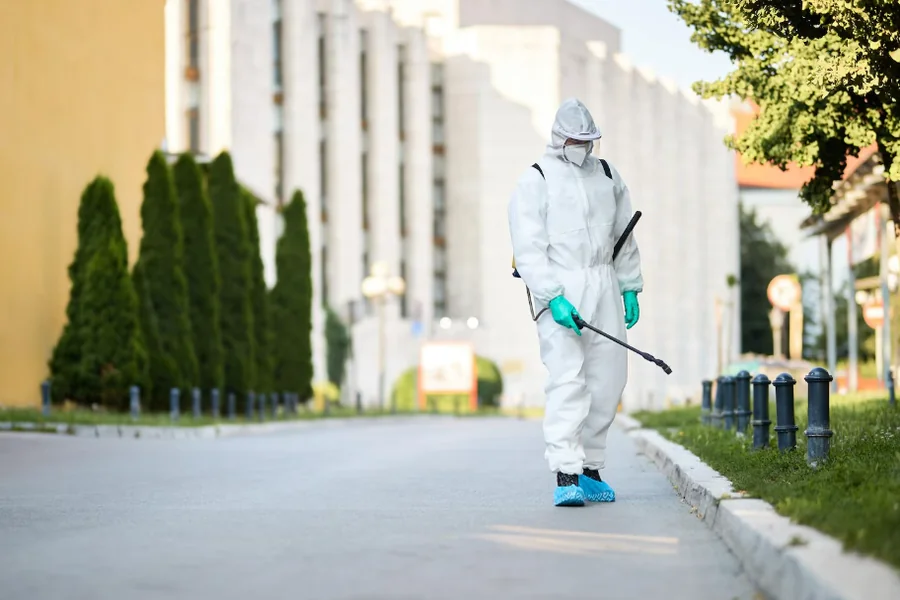
Singapore’s tropical climate creates ideal conditions for a plethora of pests, causing challenges for both residential and commercial settings. With humidity and warmth providing breeding grounds, pest infestations are a frequent concern. The diverse array of pests includes termites, rodents, ants, and mosquitoes, each of which requires targeted approaches for control. Reliable Singapore pest control solutions are essential to tackle these issues efficiently and maintain healthy living and working environments.
Understanding the Scope of Pest Issues in Singapore
The ecological landscape in Singapore supports a wide variety of pests, which are not only a nuisance but also pose health risks and can cause structural damage. For instance, termites are notorious for damaging wooden structures, while mosquitoes are vectors for diseases such as dengue fever. Rodents can contaminate food supplies and spread diseases, while ants can be relentless in invading food storage areas.
Integrated Pest Management (IPM) Approach
Implementing an Integrated Pest Management (IPM) strategy is a proactive way to control pest populations sustainably. IPM focuses on long-term prevention and combines different management approaches such as cultural, biological, and mechanical controls. This method reduces reliance on chemical pesticides, which can lead to resistance and adverse environmental effects. Continuous monitoring and accurate identification of pest species are fundamental to an effective IPM programme.
Role of Technology in Pest Control
Technological advancements have revolutionised pest management. In recent years, there has been a rise in the use of smart technologies and artificial intelligence to conduct more precise and efficient pest control operations. For instance, infrared sensors can detect termite activity within walls, and digital traps can monitor and catch rodents in sensitive areas without exposing the public or employees to harmful substances.
Importance of Regular Inspections
Conducting regular inspections is critical to identifying and mitigating pest issues before they escalate. Early detection provides the opportunity to apply less invasive and more effective treatment options. Frequent checks are particularly important in commercial properties where food handling occurs, such as restaurants and warehouses, as these environments are susceptible to infestations due to the constant availability of food sources and shelter for pests.
The Impact of Climate on Pest Behaviour
Climate plays a significant role in pest activity, with certain weather patterns inducing higher pest populations. During the wet season, Singapore experiences an uptick in mosquito breeding grounds due to stagnant water accumulation. Similarly, high humidity levels can promote the survival of a variety of pests indoors. Understanding these patterns assists pest control professionals in implementing timely interventions to preempt potential outbreaks.
Safe Application of Pest Control Chemicals
Ensuring the safe use of pesticides is paramount to minimising health risks to humans and the environment. Professionals are trained in selecting the right type and dosage of chemicals for specific pests while adhering to safety guidelines and regulations. The trend towards using more eco-friendly and less toxic substances is growing, as there is increasing awareness of the potential consequences of chemical overuse.
Community Involvement in Pest Prevention
Community participation is a crucial component in achieving a pest-free environment. Education and awareness campaigns empower residents to take preventative measures in their homes and neighbourhoods. Simple practices, such as eliminating water sources that can serve as mosquito breeding grounds and securely storing food waste, can significantly reduce pest attractions.

Regulatory Frameworks and Industry Standards
The pest control industry operates under stringent regulatory frameworks to ensure public safety and environmental protection. Adhering to these regulations guarantees that pest control services are consistent with best practices. Furthermore, obtaining certifications and accreditations signifies that a pest control company is committed to maintaining high standards in its services.
Challenges in Pest Control
Despite advancements, pest control faces numerous challenges, such as the adaptability of pests to countermeasures. Pesticide resistance remains a persistent issue that requires ongoing research and development of new solutions. Additionally, balancing effective pest control with environmental conservation demands innovative strategies that minimise ecosystem impacts.
The Future of Pest Control
Looking ahead, the pest control industry is poised to embrace further technological innovations and holistic approaches. Incorporating data analytics, IoT devices, and predictive modelling can lead to more anticipatory pest management solutions. The emphasis on sustainable practices will likely continue to grow, reinforcing the necessity for minimal disruption to human health and ecological balance.