Starting a business comes with many forms and numbers. One topic that often confuses new owners is Fein vs EIN. Are they different? Do you need both? Or are they the same thing with two names?
You will encounter these terms in case you are registering a company, opening a bank account or hiring staff. This may be intimidating at the start. But the truth is simple. By the end of this guide, you will clearly understand Fein vs EIN and how it applies to your business.
Let’s break it down in plain language.
Fein Vs EIN Explained Clearly
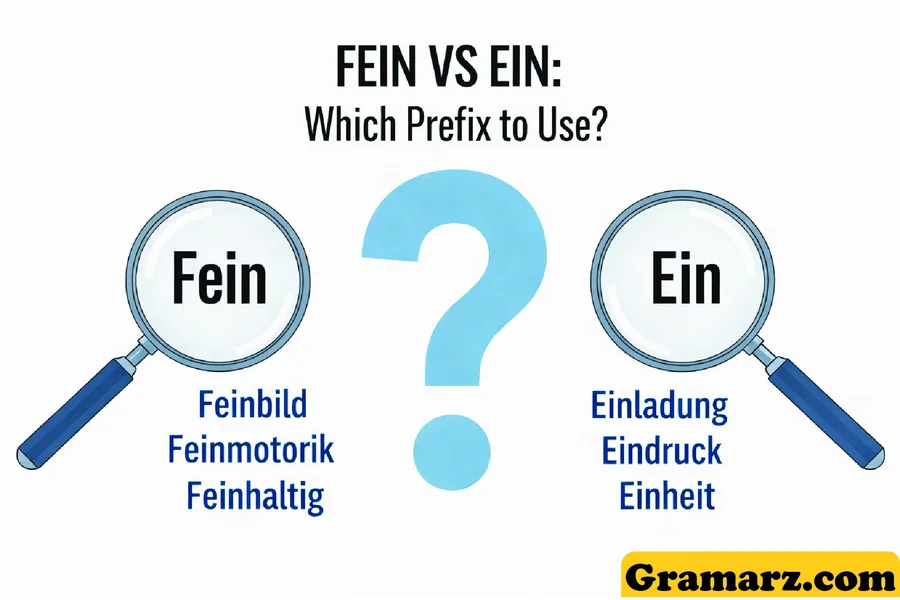
When individuals make a search of Fein vs EIN, they tend to be enquiring about the distinction between a FEIN and an EIN. The response is in a word or rather a single syllable: there is no difference.
FEIN (Federal Employer Identification Number).
EIN is a short name of the Employer Identification Number.
They are both identical 9-digits numbers released by the internal revenue service in the U.S.
That’s it. No hidden twist. No separate application. Fein vs EIN is simply two ways of saying the same thing.
Some people use FEIN to emphasize the word “Federal.” Others just say EIN. Government forms usually say EIN. Banks may say FEIN. But the number itself is identical.
Facts About Fein Vs EIN
| Topic | FEIN | EIN |
| Full Name | Federal Employer Identification Number | Employer Identification Number |
| Issued By | Internal Revenue Service | Internal Revenue Service |
| Purpose | Business tax identification | Business tax identification |
| Number Format | 9 digits | 9 digits |
| Application Process | Same as EIN | Apply through IRS |
| Is There a Difference? | No | No |
This table makes it clear. Fein vs EIN is not a battle between two numbers. It is one number with two labels.
What Is An EIN?
An EIN is a unique number assigned to a business. Think of it as a Social Security number for your company.
The EIN is used for:
- Filing business taxes
- Hiring employees
- Opening a business bank account
- Applying for business licenses
- Applying for loans
- Setting up payroll
You should also require an EIN in case you start up a corporation, a partnership or a limited liability company.
Sole owners might also require one when he employs someone or when he decides to separate their finances between personal and business.
Having this dedicated identifier allows owners to qualify for specialized EIN loans that protect personal credit scores while funding operational growth.
Why Do People Say FEIN?
This is where Fein vs EIN causes confusion.
FEIN includes the word “Federal” at the beginning. It reminds people that the number is issued at the federal level, not by a state agency.
But when you apply through the IRS, you are applying for an EIN. The IRS does not issue something called a “separate FEIN.” It is the same number.
So when comparing Fein vs EIN, remember:
FEIN = EIN
No difference in structure
No difference in purpose
It is just a naming preference.
Who Needs An EIN?
Not every small business needs one right away. But many do.
You need an EIN if:
- You hire employees
- You operate as a corporation or partnership
- You file employment taxes
- You withhold taxes on income other than wages
- You have a Keogh retirement plan
Even if you are a sole proprietor with no employees, getting an EIN can be helpful. It allows you to keep your Social Security number private when dealing with vendors and clients.
That alone is a good reason for many business owners.

How To Apply For An EIN
Applying is simple. You can apply directly through the Internal Revenue Service website.
The process usually takes minutes if done online.
You will need:
- Legal business name
- Business address
- Type of entity
- Responsible party information
- Social Security number of the responsible party
Once approved, you receive your EIN immediately if you apply online.
Application with the IRS does not have a fee. The third-party services with fees should be handled carefully.
Why The Confusion Exists
Language plays a big role.
In conversations, accountants sometimes say FEIN. Government forms usually say EIN. Banks use both terms.
As new business owners listen to the two words, they tend to think that there is a difference. They start searching Fein vs EIN online.
The confusion spreads because the names sound different.
But legally and technically, they point to the same identification number.
EIN Structure Explained
An EIN has nine digits. The format looks like this:
XX-XXXXXXX
The first two digits are known as the prefix. They used to represent the IRS processing center location. Today they mainly serve as identifiers.
The remaining seven digits are unique to your business.
This structure applies whether someone calls it a FEIN or an EIN.
When Fein Vs EIN Actually Matters
In daily business operations, the difference does not matter.
But understanding Fein vs EIN can prevent mistakes.
For example:
If a bank asks for your FEIN and you think you do not have one because you only applied for an EIN, you might panic.
You may waste time trying to apply again.
Knowing they are the same avoids that issue.
Clarity saves time.
EIN Vs State Tax ID
Now here is something important.
While Fein vs EIN refers to the same federal number, state tax ID numbers are different.
States may issue separate identification numbers for:
- State income tax
- Sales tax
- Employment tax
These are not the same as your EIN.
For example, if you operate in Texas or California, you may need a state employer account number in addition to your EIN.
This is where real differences exist.
But again, Fein vs EIN itself is not a difference.
Can You Have More Than One EIN?
Yes. But only if you form separate business entities.
Each legal entity gets its own EIN.
If you start a second corporation, that new corporation will need its own EIN.
One company cannot use the EIN of another company.
This is no matter what you call them FEIN or EIN.
Is An EIN Permanent?
Yes. Once assigned, an EIN stays with that business.
The business is never re-allocated to another person, even when you close down the business.
A new EIN may be required in case you modify the organization of your business. Indicatively, the change of sole proprietorship to a corporation might need a new number.
But the original number still remains in IRS records.
Common Myths About Fein Vs EIN
Let’s clear up a few myths.
Myth 1: FEIN is for corporations and EIN is for small businesses.
Not true. Both terms refer to the same number.
Myth 2: You need to apply twice.
No. One application covers both names.
Myth 3: FEIN includes extra tax benefits.
False. It is just another name.
When people search Fein vs EIN, they often expect a technical breakdown. But the truth is simpler than expected.
Why This Knowledge Matters
Understanding Fein vs EIN builds confidence.
When you talk to an accountant, banker, or government office, you will know exactly what they mean.
No confusion. No second guessing.
Business already comes with enough challenges. You do not need stress over terminology.
The reason is that it is only simple to know that Fein vs EIN is the same thing.
Final Thoughts
Let’s recap in clear terms.
Fein vs EIN is not a competition. It is not two numbers. It is a single federal tax identification number, which is issued by the internal revenue service.
The two terms are meant to use a similar nine-digit number to identify your business during taxation.
In case the person requests you to provide FEIN, provide them with EIN.
If a form says EIN, use the number you received from the IRS.
That is all.
In the initiation or running of a business, power is clarity. Now you understand Fein vs EIN without confusion.
Remember this fact as your company expands. Small details matter. And sometimes simple is what is complicated.
Fein vs EIN is one of those cases.
FAQs:
Q1. Is there a difference between Fein vs EIN?
No. Fein vs EIN refers to the same federal tax identification number.
Q2. What does FEIN stand for?
FEIN is Federal Employer Identification Number.
Q3. What does EIN stand for?
EIN is short for Employer Identification Number.
Q4. Who issues an EIN or FEIN?
The Internal Revenue Service issues both. They are the same number.
Q5. Do I need both a FEIN and an EIN?
No. You only need one number. FEIN and EIN are the same.