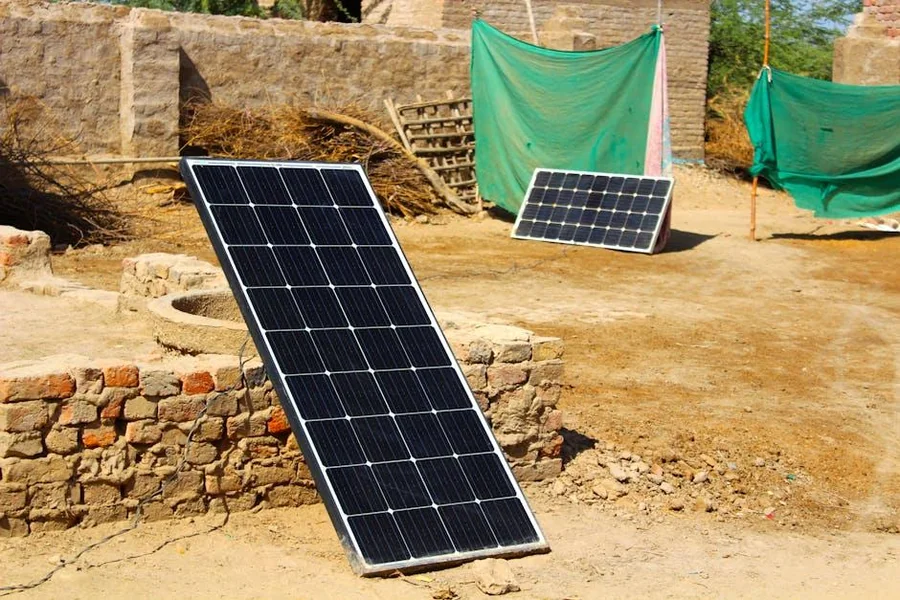
The demand for renewable energy sources has reached an all-time high, with more homeowners seeking sustainable alternatives to reduce their carbon footprints and lower utility bills. Among the myriad options available, solar panels for homes have emerged as a viable and popular solution, enabling individuals to harness the nearly limitless power of the sun. As we delve deeper into this exciting technology, several factors prove instrumental in understanding why solar panels have gained traction in residential settings.
The Science Behind Solar Panels
Solar panels, also known as photovoltaic (PV) systems, consist of an assembly of solar cells that convert sunlight directly into electricity. These cells are constructed from semiconductor materials, typically silicon, that release electrons when exposed to light, thus generating an electric current. By installing solar panels on rooftops or other sun-drenched locations, homes can effectively capture this renewable energy source, drastically reducing dependence on fossil fuels.
Efficiency and Performance
The efficiency of solar panels refers to the percentage of sunlight that is converted into usable electricity. Technological advancements in recent years have led to the development of high-efficiency solar panels that can convert more than 20% of incoming sunlight. This improvement in performance ensures that even homes with limited roof space or partial shading can still benefit from solar power generation.
Financial and Environmental Benefits
One of the primary attractions of solar panel installation is the potential for significant cost savings. By generating their own electricity, homeowners can dramatically reduce their electricity bills and, in some cases, even sell excess power back to the grid through net metering. Over time, this can result in a substantial return on investment.
Environmentally, solar panels offer the advantage of producing clean energy, with negligible greenhouse gas emissions during operation. This shift away from traditional energy sources contributes to a decrease in air pollution, which plays a crucial role in combating climate change and preserving natural ecosystems.
Technological Innovations
The solar industry is continuously evolving, with new technologies emerging to enhance the performance and functionality of solar panels. For instance, the development of bifacial panels allows for the capture of sunlight on both sides, increasing overall efficiency. Additionally, integrated storage solutions such as home batteries are becoming more accessible, enabling households to store excess energy for use during the night or cloudy days.
Installation Considerations
When considering the installation of solar panels, homeowners must evaluate several critical factors. The orientation and angle of the roof are paramount, as optimal positioning ensures maximum exposure to sunlight. Furthermore, assessing local weather conditions, such as average sunlight hours and seasonal variations, will aid in accurately estimating the potential energy yield.
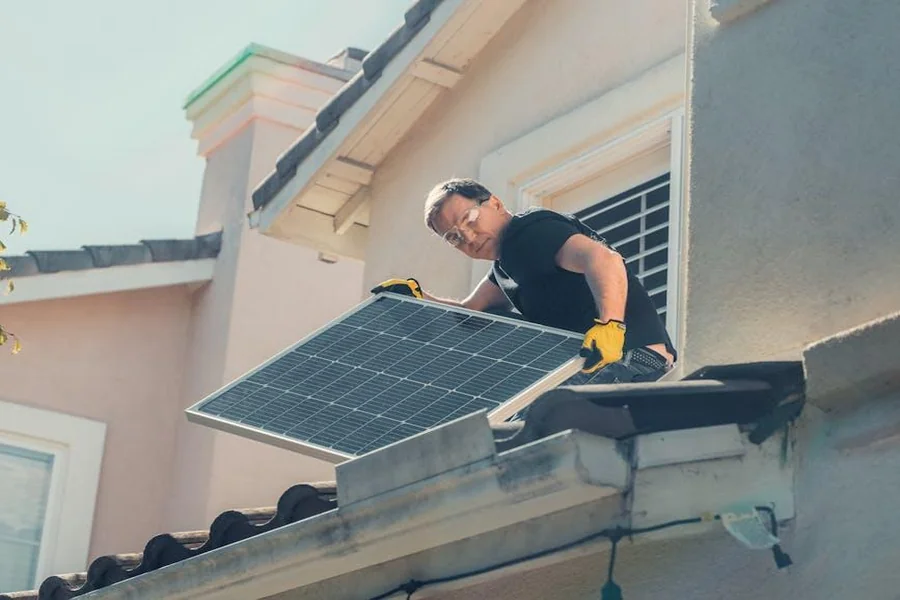
Professional installation by certified technicians is essential to ensure safety and compliance with local regulations. A thorough inspection of the home’s electrical system is necessary to determine compatibility and avoid potential issues.
Maintenance and Longevity
Solar panels require minimal maintenance, making them an attractive option for those seeking a hassle-free renewable energy solution. Regular cleaning to remove debris and dirt will help maintain efficiency, while occasional inspections can preemptively address any potential concerns. With proper care, solar panels boast a lifespan of 25 to 30 years or more, offering a long-term solution for energy independence.
Overcoming Challenges
Despite the numerous advantages, some challenges must be addressed to fully realise the potential of solar panels for residential use. Initial installation costs, although decreasing, can still represent a significant investment. However, various financing options, government incentives, and tax breaks are available to mitigate these costs and make solar panel systems more accessible.
Additionally, while solar energy generation is abundant, storage and distribution remain areas for development. Advances in battery technology and smart grid solutions are underway to accommodate these needs, ensuring a consistent and reliable energy supply.
Future Prospects
As the world continues its transition towards sustainable energy, the role of solar panels in residential settings is poised to expand. Research and development efforts are concentrated on improving efficiency, reducing costs, and integrating solar technology with other smart home systems. This promising trajectory suggests that solar panels will become an increasingly commonplace fixture in homes, driving forward the eco-friendly revolution and contributing to a more sustainable future.
Solar panels represent a pivotal component of modern, energy-efficient homes, offering a sustainable path toward energy autonomy and environmental stewardship. Through continued innovation and awareness, they are set to play a vital role in shaping the residential landscapes of tomorrow, providing both ecological and economic benefits.
Incentives and Policy Frameworks
To encourage the adoption of solar energy, many regions are implementing supportive policies and schemes. Leveraging policies such as feed-in tariffs and renewable energy certificates can financially incentivise homeowners to embrace solar solutions. These frameworks are essential in fostering a greener energy ecosystem and ensuring widespread access to renewable technologies.
Integration with Smart Home Technologies
The integration of solar panels with other smart home technologies marks a revolutionary trend within the industry. Compatibility with home automation systems allows for better energy management, enabling homeowners to optimise their energy consumption patterns and reduce waste. Moreover, the amalgamation of solar technology with advances in artificial intelligence strives to enhance system performance through predictive maintenance and efficient energy distribution.
Community and Societal Impact
The proliferation of solar panel technology extends beyond individual homes, fostering community-wide transformations and collaborative energy-sharing models. Community solar projects and solar co-operatives enable shared access to solar facilities, broadening the demographic that can benefit from clean energy solutions. These initiatives contribute to environmental justice and energy equity by making solar energy accessible to diverse populations, including those in urban settings with limited rooftop or land space.
Conclusion
In summary, solar panels for residential use encapsulate a nexus of technological advancement, environmental benefit, and economic viability. By further developing these systems and understanding their foundational importance, we pave the way for a future in which renewable energy becomes ubiquitous, empowering individuals and communities alike in their pursuit of sustainability. The continuous journey toward innovation, coupled with supportive infrastructure and community engagement, will form the backbone of a new energy paradigm characterised by resilience and accessibility.