In recent years, advances in the fields of dermatology and cosmetic science have led to the rise of the medical aesthetic clinic, where cutting-edge technology meets artistry to address a myriad of skin and body concerns. These clinics, once a luxurious indulgence, are now considered almost mainstream, seamlessly integrating healthcare precision with beauty enhancement.
The Rise of Non-Surgical Treatments
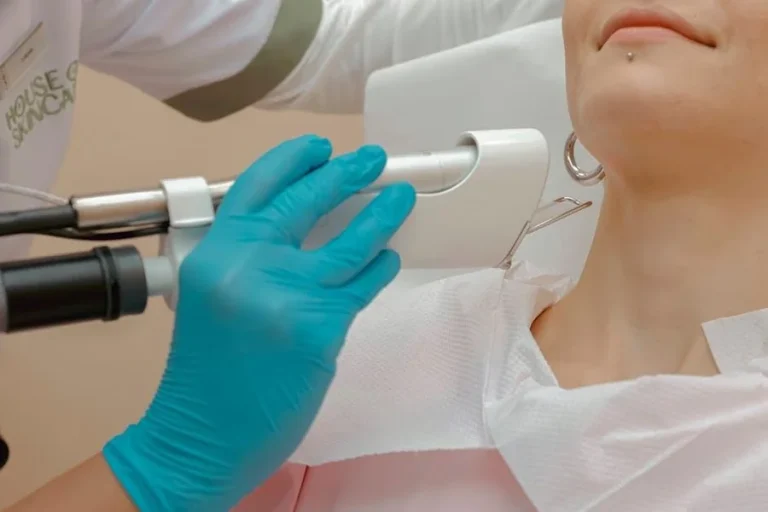
Medical aesthetic clinics have revolutionised the beauty industry by offering non-surgical treatments that promise results without the downtime associated with traditional cosmetic surgery. Innovations such as dermal fillers, laser treatments, and chemical peels play a pivotal role in skin rejuvenation. Devices that utilise radiofrequency and ultrasound are widely lauded for their efficacy in skin tightening and fat reduction.
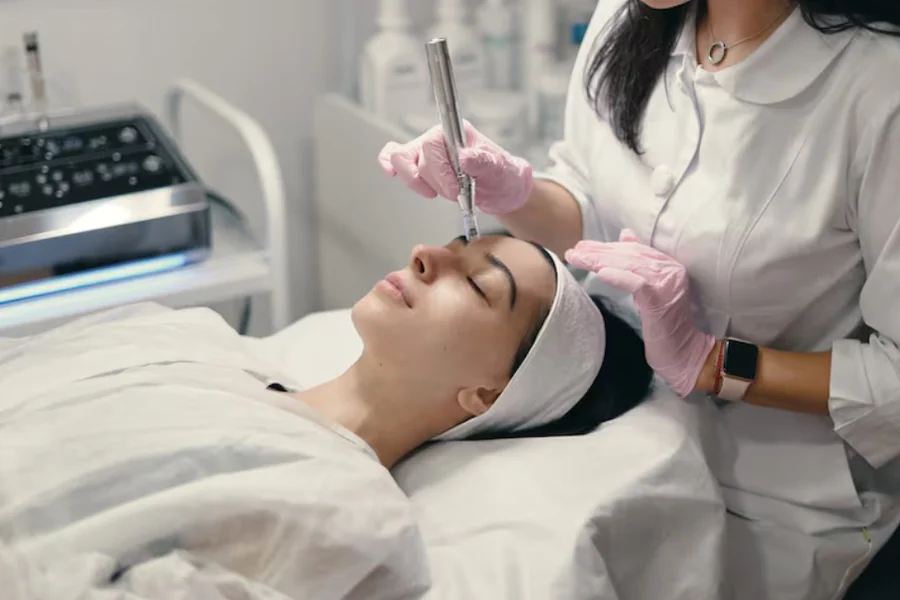
These clinics employ a variety of state-of-the-art machines and procedures designed to target specific skin concerns. For example, intense pulsed light (IPL) treatments are popular for addressing pigmentation and redness, while microneedling, often combined with platelet-rich plasma (PRP), is celebrated for its ability to rejuvenate and repair the skin. These advancements tap into the body’s natural healing processes, offering a harmonious blend of science and beauty.
Personalised Care and Expertise
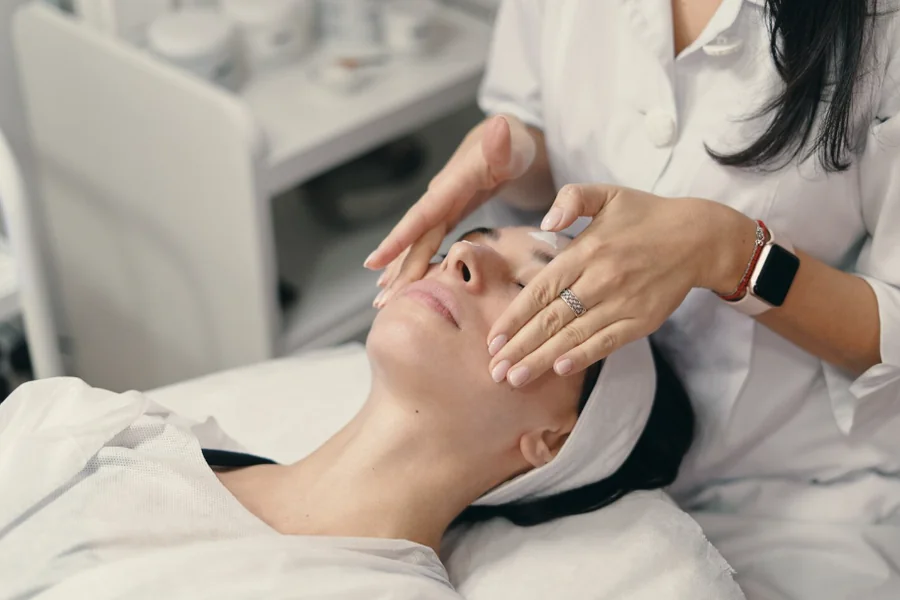
A hallmark of a reputable medical aesthetic clinic is the individualised care plan. Skilled practitioners—often including dermatologists, licensed aestheticians, and medical professionals—consult with clients to craft tailored treatments. These experts assess each individual’s unique needs, preferences, and skin type before formulating a regimen that harmonises with the client’s goals.
Education plays a critical role in the client experience. Customers are educated about the procedures, ensuring they have realistic expectations and a comprehensive understanding of post-treatment care. This emphasis on knowledge empowers individuals to make informed decisions about their aesthetic journey.
The Role of Skincare in Aesthetic Treatments
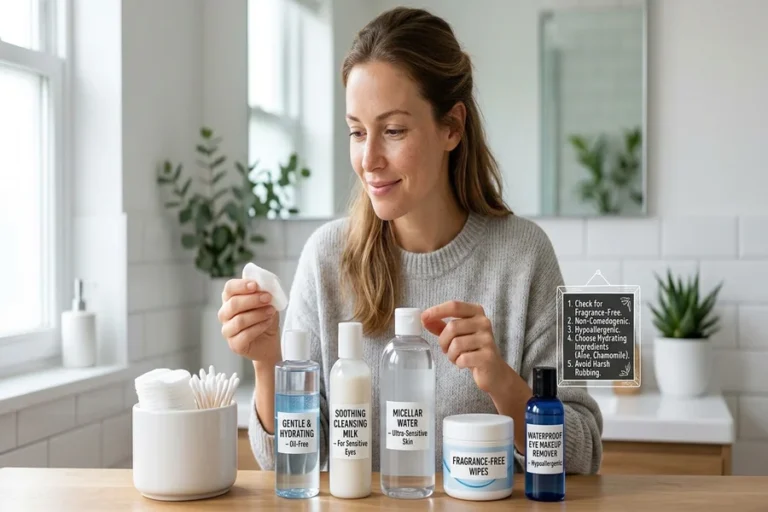
Complementing advanced procedures, many clinics also offer professional-grade skincare products. Formulated with potent active ingredients, these products extend the benefits of treatments and help maintain results. Ingredients like retinoids, antioxidants, and peptides are revered for their efficacy in improving skin texture, tone, and quality.Many skincare enthusiasts are now turning to advanced peptide formulations as a topical Botox alternative, offering a non-invasive way to smooth the appearance of fine lines and expression wrinkles.
Furthermore, aesthetics programmes are often coupled with lifestyle and skincare advice. Clinics focus on holistic strategies, advocating for practices like sun protection, proper hydration, and a balanced diet to enhance and prolong treatment outcomes. This comprehensive approach serves to integrate wellness into the beauty regimen, making the improvements sustainable and naturally radiant.
Ensuring Safety and Standards
Safety is a priority within the medical aesthetic industry. Clinics uphold stringent safety protocols to minimise risks and ensure optimal outcomes. These protocols include pre-treatment consultations, medical screenings, and precise documentation of client medical histories.
Regulation within the industry ensures that practitioners are certified and treatments are carried out within appropriate facilities. Regular training and adherence to international safety and ethical standards are mandatory requirements that protect clients and professionals alike. This reassurance makes aesthetic clinics a safe environment for beauty transformations.
Aesthetic Diversity and Inclusivity
Modern medical aesthetic clinics celebrate diversity and inclusivity, catering to a broad spectrum of skin tones and types. Treatments are specifically adapted to align with varying genetic predispositions and aesthetic goals. As such, the customisation of procedures addresses both physiological and psychological aspects of beauty, respecting cultural nuances and personal preferences.
The growing industry of aesthetic medicine has adapted quickly to cater to a wide demographic. Clinics offer solutions that counteract signs of ageing, address specific skin conditions, and enhance natural features, ensuring that everyone can find a treatment plan that resonates with their distinct aesthetic vision.
Promoting Confidence and Wellbeing
Beyond aesthetic improvement, the impact of these clinics extends to psychological well-being. Many studies support the idea that when individuals feel good about their appearance, it positively influences their self-esteem and confidence. This boost in self-assurance often translates into other areas of life, fostering improved social interactions, career prospects, and overall quality of life.
By offering solutions to common beauty concerns, medical aesthetic clinics contribute to an individual’s confidence reservoir. Whether treating acne, reducing scars, or sculpting facial features, clients frequently report enhanced life satisfaction as a byproduct of these aesthetic interventions.
Environmental Considerations in Aesthetic Practices
Sustainability and eco-friendliness are becoming increasingly significant within the aesthetic industry. Medical aesthetic clinics are taking proactive steps to incorporate environmentally conscious practices. This includes choosing products with sustainable packaging, reducing waste, and opting for renewable energy sources where possible.
In addition, the development of ethical cosmetic ingredients and cruelty-free products aligns with modern consumer values. Clients are now more informed and demand transparency and responsibility from their service providers. Consequently, clinics are responding with practices that respect both the client’s needs and the planet.
The Future of Medical Aesthetics
As technology continues to evolve, the future of the medical aesthetic clinic looks promising and dynamic. The integration of artificial intelligence and virtual reality could redefine the client experience, from 3D imaging consultations to AI-driven personalised skincare regimens. These advancements would not only enhance accuracy but also revolutionise diagnosis and treatment planning.
Future trends may include the development of more non-invasive procedures with shorter recovery times and more natural results. Moreover, as research progresses, the focus will likely shift towards preventative aesthetics, aiming to preserve youthful features before they deteriorate.
Such innovations highlight the expansive capabilities of medical aesthetic practices, promising a future where beauty and medicine continue to intersect harmoniously.