Renovating an HDB flat in Singapore is an intricate process that intertwines creativity, careful planning, and strict adherence to regulations. Homeowners can access detailed guidance and practical tips at https://starryhomestead.com/articles/hdb-renovation to better navigate the complexities of HDB renovation projects. With nearly 80% of Singapore’s population residing in HDB flats, renovation has become a crucial avenue for homeowners looking to customise their living spaces. Undertaking such projects requires a comprehensive understanding of the processes involved, from design conception to execution, while complying with the Housing Development Board’s rules and guidelines. Resources such as Starry Homestead provide detailed insights into the nuances of HDB renovation and can be explored here.
Navigating HDB Renovation Guidelines
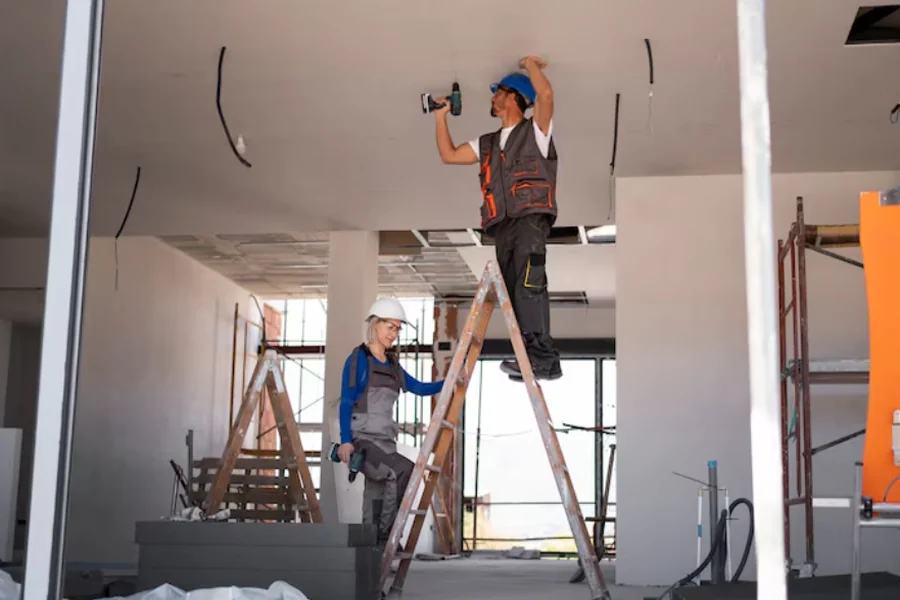
HDB renovation is governed by a unique set of rules designed to ensure the structural integrity of buildings and the safety of residents. One of the first considerations for homeowners is understanding which alterations require approval. Structural walls, for instance, cannot be removed without prior consent, and specific modifications to layouts, windows, or external façades must comply with HDB standards. Licensed contractors are mandatory for all renovation works, guaranteeing that the team has the expertise to manage the technical aspects of construction safely and professionally. Noise control and working hours are also regulated to minimise disruption to neighbouring units. Adhering to these regulations not only prevents potential fines but also ensures a smoother, hassle-free renovation process.
Budget Planning and Financial Management
Setting a realistic and well-considered budget is vital for any HDB renovation project. Homeowners need to balance aesthetics, functionality, and financial constraints, which often involves making strategic choices on materials, fixtures, and design elements. The cost of renovations can vary widely depending on the scope, ranging from minor updates to complete overhauls that include kitchen remodelling, bathroom upgrades, and living room transformations. It is prudent to set aside a contingency budget, often around 10% of the total renovation cost, to accommodate unforeseen expenses that may arise during the project. Meticulous budgeting ensures that financial surprises do not compromise the overall quality of the renovation.
Selecting a Competent Contractor
The choice of contractor can significantly influence the success of an HDB renovation. Homeowners must ensure that the contractor holds a valid HDB licence, which indicates familiarity with local regulations and technical standards. Beyond licensure, evaluating the contractor’s previous projects, reputation, and responsiveness is crucial. Homeowners are encouraged to obtain multiple quotes to compare costs, services, and timelines effectively. Establishing a good working relationship with the contractor fosters clearer communication, which is instrumental in achieving the desired outcome and resolving challenges efficiently throughout the renovation process.
Designing Functional and Aesthetic Spaces
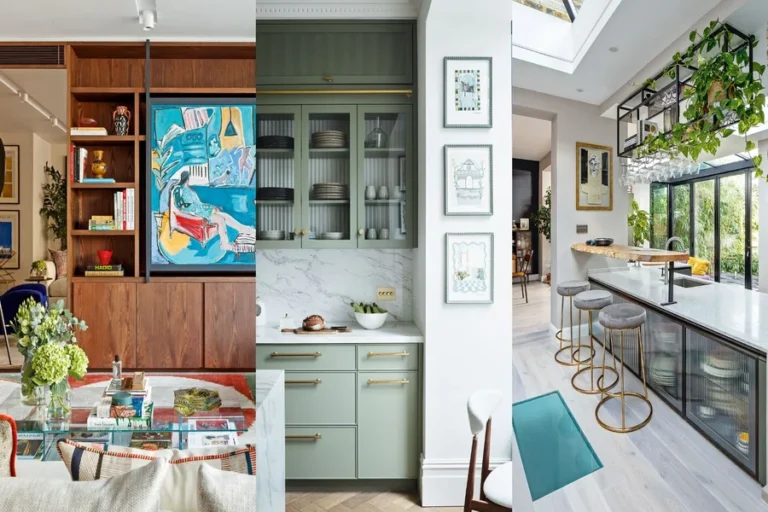
Designing an HDB flat requires a delicate balance between creativity and regulatory constraints. Given the compact size of most units, efficient use of space is paramount. Open-concept layouts have become increasingly popular, as they create a sense of expansiveness and improve airflow. Light-coloured walls and flooring, combined with strategic lighting, enhance the perception of space and contribute to a clean, modern look. Multifunctional furniture, such as storage beds or expandable tables, allows homeowners to maximise utility without compromising style. Practical considerations in the kitchen and bathroom, where plumbing and electrical arrangements are fixed, further influence design decisions, ensuring that spaces remain functional and comfortable.
Incorporating Sustainable Renovation Practices
Sustainability is an important consideration in contemporary HDB renovation, reflecting Singapore’s broader environmental initiatives. Homeowners are encouraged to select eco-friendly materials, energy-efficient appliances, and designs that optimise natural light and ventilation. Features such as LED lighting, water-saving fixtures, and recycled or locally sourced building materials reduce environmental impact while offering long-term utility savings. The integration of smart home technologies also supports sustainability, enabling residents to monitor and manage energy usage efficiently. By adopting these practices, homeowners can create environmentally responsible homes without compromising on design or comfort.
Managing Renovation Timelines
The timeline for completing an HDB renovation depends largely on the scope of work. Basic upgrades may be completed within a few months, while extensive renovations involving structural changes or large-scale redesigns can take significantly longer. Planning a renovation schedule requires careful consideration of design development, contractor engagement, permit approval, and execution of construction tasks. Buffer periods should be factored in to accommodate potential delays, which can occur due to material shortages, labour availability, or unforeseen circumstances. Coordinating renovation activities sequentially ensures steady progress and prevents bottlenecks that could hinder timely completion.
Cultural Considerations in Home Design
Singapore’s diverse cultural landscape often influences how homeowners approach HDB renovation. Personal preferences may include integrating cultural motifs, creating prayer spaces, or following Feng Shui principles. Respectful incorporation of these elements allows for a home that supports modern living while honouring cultural traditions. Thoughtful design that reflects personal heritage not only enhances the uniqueness of a space but also creates a home environment that resonates with the occupants’ values and beliefs.
Post-Renovation Maintenance and Care
Completing a renovation marks the beginning of ongoing care and maintenance. To ensure longevity and preserve the investment, homeowners should conduct regular inspections of newly installed fixtures, promptly address any defects, and maintain a consistent cleaning routine. Familiarity with the warranties provided by contractors is important, as it allows for quick resolution of issues covered under maintenance agreements. Adjusting to the renovated space and appreciating the design improvements facilitates a smooth transition into daily living while preserving the functionality and aesthetic appeal achieved through the renovation process.

Balancing Practicality and Style
A successful HDB renovation blends practical solutions with stylish design choices. Compact living requires careful consideration of every square metre, ensuring that storage, circulation, and accessibility are optimised. At the same time, homeowners can express personal taste through colour palettes, textures, and decorative elements. Balancing these priorities results in interiors that are visually pleasing yet highly functional, meeting the demands of modern urban living without compromising comfort or usability.
Embracing Innovation and Technology
Technology plays an increasingly significant role in HDB renovations, from smart lighting and climate control systems to innovative furniture that maximises space. These advancements enhance convenience and efficiency while complementing modern design aesthetics. Integrating technology into home layouts allows residents to adapt to changing lifestyles, including remote work, home-based learning, and flexible living arrangements. The careful selection and placement of technological solutions ensure that functionality aligns seamlessly with design objectives, supporting a modern and adaptive living environment.
Conclusion
Renovating an HDB flat in Singapore is a multifaceted process that demands a thorough understanding of regulations, careful financial planning, and thoughtful design strategies. By choosing licensed contractors, adhering to HDB guidelines, and embracing functional and sustainable design principles, homeowners can create spaces that are both aesthetically pleasing and practical. Integrating cultural considerations, technological innovations, and post-renovation maintenance further enhances the value and longevity of a renovation project. HDB renovation, when approached thoughtfully, transforms compact urban spaces into personalised sanctuaries that reflect the unique lifestyles, preferences, and aspirations of Singaporean residents.