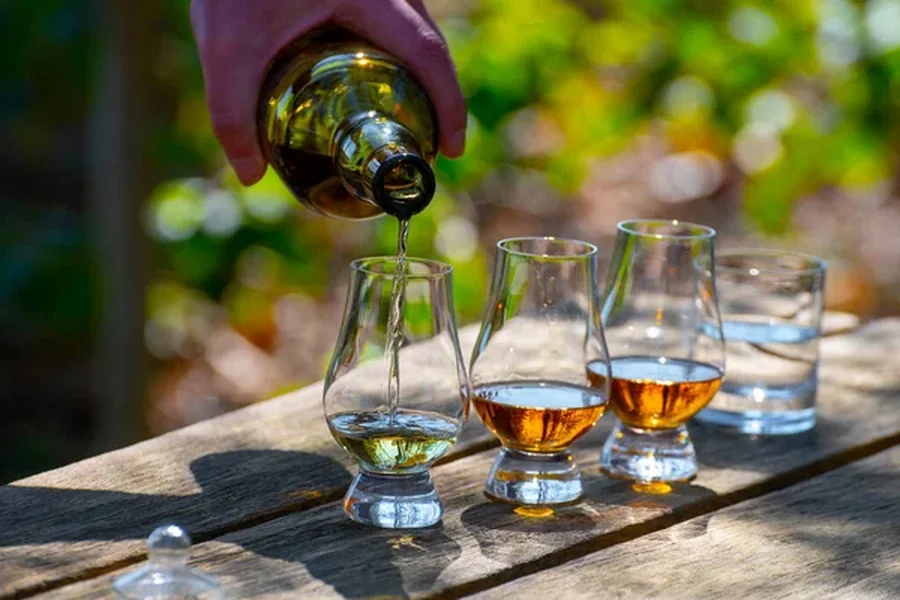
Whisky is more than a drink; it is a rich tapestry of culture, heritage, and craftsmanship. Among its wide varieties, single malt whisky holds a special place, captivating enthusiasts worldwide with its complexity and unique character. Celebrated for its distinctive flavours and artisanal production methods, single malt whisky offers a sensory journey that reflects centuries of tradition and expertise. Understanding this remarkable spirit requires delving into its production process, cask ageing, regional variations, and the art of tasting.
Understanding the Distillation Process
At the heart of single malt whisky is a meticulous distillation process that balances traditional craftsmanship with modern techniques. True single malt whisky is produced exclusively at a single distillery using malted barley. The journey begins with malting, moves through mashing and fermentation, and concludes with distillation in copper pot stills. Every step is carefully controlled, and subtle variations in technique profoundly influence the whisky’s aroma, flavour, and overall character.
Malting and Mashing
Malting is the first step, involving soaking barley grains in water to encourage germination before drying them with hot air. This converts the starches in the barley into sugars, which are essential for fermentation. The malted barley is then ground into a coarse flour called grist and mixed with hot water during the mashing stage. This process produces a sugary liquid known as wort, which serves as the foundation for fermentation.
Fermentation: Capturing Flavour
Fermentation transforms the wort into an alcoholic liquid, with yeast converting sugars into alcohol while producing a range of complex flavour compounds. Lasting up to 72 hours, fermentation develops fruity, floral, and spicy notes that vary with each distillery’s techniques. This stage is crucial in defining the whisky’s character, as it lays the groundwork for its nuanced aroma and taste.
Distillation: The Art of Refinement
Distillation separates alcohol from water and impurities, typically through two rounds in copper pot stills. The resulting ‘new make’ spirit is clear and potent, carrying the essence of the whisky’s base flavours. The design, size, and heating speed of the stills significantly shape the spirit’s final character. Once distilled, the spirit is transferred into oak casks for ageing, beginning the transformative process that turns raw spirit into a refined single malt whisky.
The Influence of Cask Ageing
Cask ageing is more than a production step; it is an art form that imbues whisky with depth, complexity, and a rich sensory profile. The interaction between the whisky and oak casks is central to its development, influencing colour, aroma, and flavour.
The Role of Oak
Oak casks are traditionally used due to their natural compounds, which add unique characteristics to the spirit. Many casks are charred or toasted, caramelising the wood’s sugars and allowing them to infuse the whisky over time. This process creates layers of vanilla, caramel, and spice notes that enhance the spirit’s richness.
Maturation and Time
Maturation determines both the smoothness and complexity of the final whisky. By law, whisky must age for a minimum of three years, but many single malts benefit from much longer periods. Extended ageing allows the spirit to absorb more from the cask, creating a refined, well-rounded profile with increased depth and subtlety.
Regional Variations in Single Malt Whisky
The diversity of single malt whisky is often defined by regional differences, reflecting the influence of local climate, water, and ingredients. These factors contribute to distinctive profiles that make each whisky unique.
Climate Effects
The climate of a distillery’s location can significantly affect ageing. Warmer climates accelerate interaction between whisky and wood, while cooler climates slow maturation, producing different flavour characteristics. Each environment imparts subtle nuances, contributing to the whisky’s regional identity.
Water Source and Local Ingredients
Water plays a critical role in whisky production, with natural spring water filtering through local geology to provide essential minerals that influence taste. Regional variations in barley, yeast strains, and fermentation techniques also contribute to the distinct character of whiskies from different areas.

The Enjoyment and Appreciation of Single Malt Whisky
Tasting single malt whisky is a multi-sensory experience. It invites appreciation of its aroma, flavour, and the story behind each bottle, making the experience both personal and refined.
Tasting Notes and Sensory Experience
Single malt whiskies offer a complex palate of flavours, from vanilla and fruit to spice and smoke. Tasting involves observing the whisky’s colour, inhaling its bouquet, and savouring the taste on the palate. Each sip reveals layers of flavour that reflect the craftsmanship and care invested in its production.
Pairing and Serving Suggestions
Single malt whisky can be enjoyed neat, with a splash of water, or over ice, depending on preference. It also pairs beautifully with food, particularly rich items like cheeses, dark chocolate, and smoked meats, which complement the whisky’s depth without overpowering its nuanced profile.
Conclusion
Single malt whisky is a testament to craftsmanship, patience, and innovation. Its intricate production, regional diversity, and complex flavours make it an enduring symbol of tradition and excellence. Whether you are a seasoned connoisseur or a curious newcomer, appreciating single malt whisky is a journey of taste, culture, and history, an experience that continues to inspire and captivate whisky lovers around the globe.