In recent years, Singapore has emerged as a hub for hair restoration surgery, blending state-of-the-art technology with highly skilled professionals. Aspiring patients can confidently seek what is widely regarded as the safest hair transplant in Singapore, where innovative techniques and stringent safety protocols ensure superior outcomes. This article explores the myriad facets of hair transplant procedures in Singapore, offering an overview of the techniques that have placed the region at the forefront of this precise medical field.
Understanding Hair Loss
Hair transplantation is predominantly sought after by individuals experiencing significant hair loss. Hair loss can be caused by genetic factors, hormonal changes, medical conditions, or simply the ageing process. Androgenic alopecia, commonly known as male or female pattern baldness, is a primary reason for considering hair transplant surgery. This condition results in a receding hairline or thinning hair, prompting individuals to seek permanent solutions.
Types of Hair Transplant Techniques
Follicular Unit Transplantation (FUT)
Follicular Unit Transplantation, or FUT, is a technique where a strip of scalp is removed from a donor area, typically the back of the head. The strip is then dissected into individual follicular units before being transplanted to the balding regions. While effective, this method may lead to a linear scar, which has become a consideration in its growing substitution by less invasive techniques.
Follicular Unit Extraction (FUE)
A more advanced method is Follicular Unit Extraction (FUE), which involves the extraction of individual hair follicles from the donor site using microsurgical tools. These follicles are then implanted into the thinning or balding areas. FUE has gained favour due to its minimally invasive nature, reduced recovery time, and the absence of linear scarring, making it a preferred choice among patients seeking discreet and effective results.
Direct Hair Implantation (DHI)
Direct Hair Implantation (DHI) represents a significant evolution in hair transplant techniques, utilising specialised implanters to place hair follicles directly without prior channel creation. DHI allows for greater precision and angulation, yielding a more natural hair appearance. The method minimises trauma during implantation, thus enhancing the survival rate of the follicles.
Preparing for a Hair Transplant
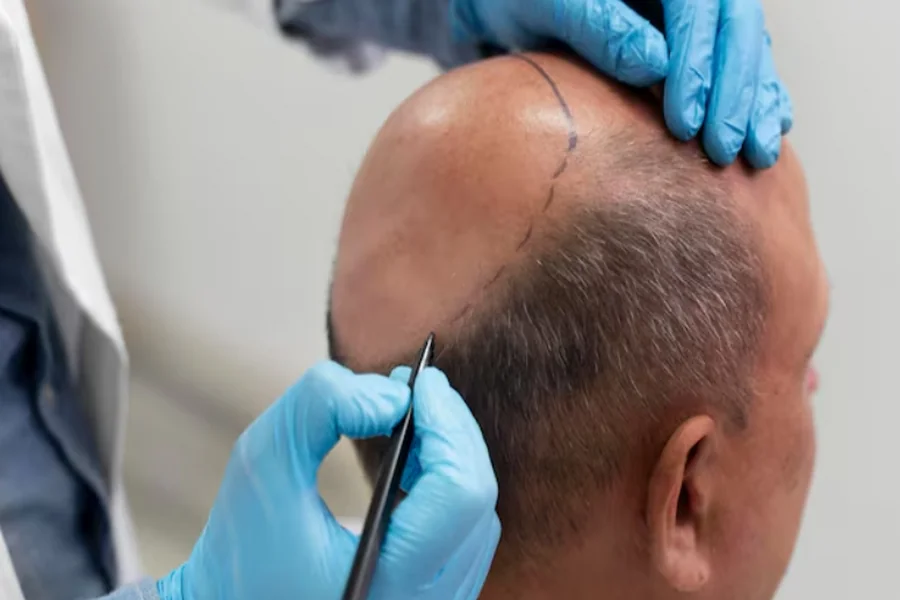
Before undergoing a hair transplant, patients must undergo a comprehensive consultation with a qualified surgeon. This session determines the most suitable technique based on the patient’s hair type, extent of hair loss, and overall health. The consultation process also includes mapping the desired hairline, ensuring that the new growth pattern aligns harmoniously with the patient’s facial features.
Standards of Care and Safety in Singapore
Singapore’s regulatory framework for healthcare ensures that hair restoration procedures are conducted under strict medical standards. Clinics are typically outfitted with cutting-edge technology, and surgeons must possess advanced training and certification in cosmetic surgery. Patients benefit from transparent procedural protocols, which contribute to consistent and safe outcomes.
Innovations and Technology in Hair Transplants
Robotic Hair Transplant Systems
Advanced robotic systems are increasingly becoming part of the hair transplant landscape. These systems enhance precision by assisting surgeons in the accurate selection and extraction of hair follicles. While the integration of robotics into transplantation is still evolving, it represents a burgeoning dimension of technological advancement aiding in superior aesthetic results.
Platelet-Rich Plasma (PRP) Therapy
To complement hair transplantation, many clinics employ Platelet-Rich Plasma (PRP) therapy. PRP involves injecting concentrated plasma enriched with growth factors into the scalp to stimulate hair growth and improve the healing of transplanted follicles. This auxiliary treatment can boost the success rate of transplant procedures and is a testament to the comprehensive care provided in premier clinics.
Post-Operative Care and Recovery
An essential phase of the hair transplant journey is the post-operative care and recovery process. Patients are typically advised on specific aftercare practices to ensure optimal healing and follicle survival. This guidance includes washing instructions, activity restrictions, and the management of any mild discomfort. Follow-up appointments are crucial for monitoring regrowth progress and addressing any concerns.
The Cost Factor
The cost of hair transplant procedures can vary widely depending on factors such as the extent of hair loss, the technique employed, and the expertise of the surgeon. While initial cost assessments might lean on the higher side, the enduring outcomes of a successful hair transplant often justify the investment. Many clinics offer transparent pricing structures, breaking down costs to provide patients with a clear understanding of their outlays.
Choosing the Right Clinic and Surgeon
Selecting the appropriate clinic and surgeon is a critical factor in achieving a successful hair transplant. Prospective patients are advised to research extensively, considering the experience level, patient reviews, and before-and-after galleries of potential surgeons. Personal consultations can also give insights into a surgeon’s approach and patient rapport, which are imperative for a satisfactory experience.
The Psychological Impact of Hair Transplantation
Beyond the physical benefits of hair transplantation, many individuals report a significant boost in self-esteem and confidence. Restored hairlines can alter perceptions, helping individuals feel more youthful and vibrant. This psychological dimension underlines the transformative potential of hair restoration as an investment not only in appearance but also in emotional well-being.
Future of Hair Transplantation
The future of hair transplantation lies in the continual refinement of techniques and the integration of new scientific advancements. Stem cell research and genetic therapies are poised on the horizon, promising groundbreaking strides in hair regeneration. As research propels the capabilities of cosmetic surgery forward, patients can look forward to even more accessible and natural-looking solutions.
Hair transplants in Singapore are setting benchmarks in safety and innovation within the field of cosmetic surgery. Pioneering procedures and expert practitioners are ensuring that the journey from hair loss to restoration is navigated with the utmost precision and care, offering patients not just new hair, but a renewed sense of self.