In recent years, the outdoor design industry has witnessed a substantial shift towards sustainable and aesthetically pleasing materials. One such innovation is Wood Plastic Composite (WPC) decking. Offering durability, ease of maintenance, and environmental benefits, WPC decking is increasingly being selected for both residential and commercial projects. For detailed specifications and options, one can explore https://tulou.com.sg/cwpc-decking/, which provides insight into composite wood (CWPC) decking solutions.
What is WPC Decking?
Wood Plastic Composite decking is a composite material made from a blend of wood fibres and plastics. This blend results in a product that mimics the appearance of natural wood while offering greater longevity and reduced maintenance. Unlike traditional wood decking, WPC decking doesn’t splinter, warp, or rot, making it a practical choice for outdoor spaces.
The Composition and Manufacturing Process
The manufacturing of WPC decking involves the careful selection and processing of raw materials. Typically, wood fibres such as sawdust are combined with thermoplastics like polyethylene or polypropylene. These materials are heated and then extruded into boards, which are subsequently cooled and finished. By incorporating additives such as UV stabilisers and colourants, the boards are further enhanced in their resistance to environmental factors.
One of the core advantages is the recyclability of the materials used in WPC decking, providing an environmentally friendly alternative to traditional wood. The process itself generates minimal waste, aligning with modern sustainability goals.
Advantages Over Traditional Materials
Durability and Longevity
WPC decking is renowned for its durability. Unlike natural wood, which can decay over time due to exposure to moisture and insects, WPC decking resists such deterioration. This resilience translates to a longer lifespan, making it a cost-effective solution over the long term.
Low Maintenance
Traditional wood decks require regular maintenance, including staining and sealing, to maintain their appearance and functionality. WPC decking, in contrast, requires minimal upkeep. Simply cleaning with soap and water can keep it looking new, negating the need for regular painting or staining.
Aesthetic Appeal
With advancements in engineering, WPC decking is available in a wide range of colours and finishes that convincingly replicate the look of natural wood. These variations offer homeowners and architects multiple options to suit different design preferences without compromising on quality.
Environmental Benefits
WPC decking is not only practical but also eco-friendly. It utilises recycled wood fibres and plastics, reducing the demand for virgin timber and decreasing landfill waste. This approach aligns with growing environmental awareness and provides an option that contributes positively to resource conservation efforts.
Furthermore, the long lifespan and low maintenance requirements of WPC decking reduce the need for frequent replacements, further minimising environmental impact.
Applications and Versatility
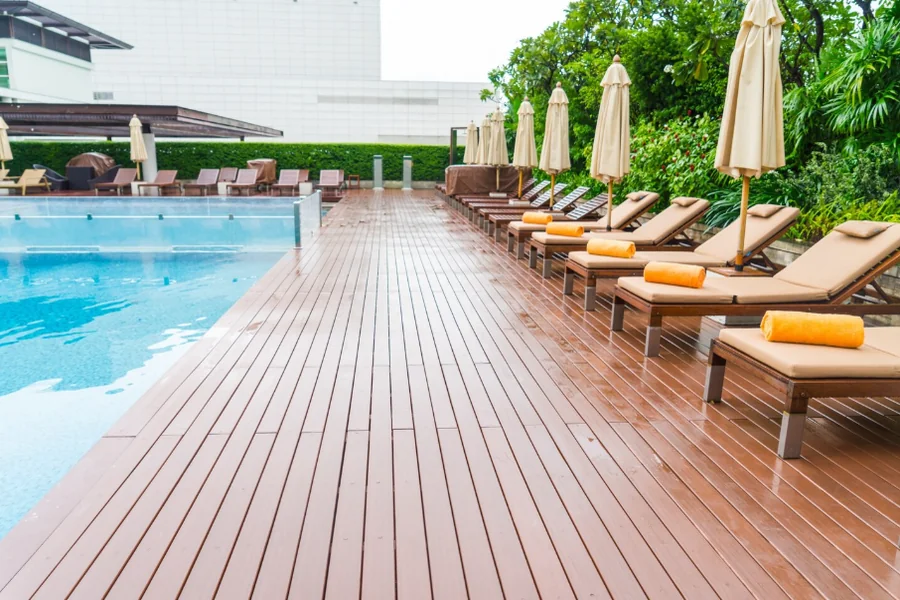
The versatility of WPC decking extends beyond residential use. It is increasingly being utilised in commercial spaces, public parks, and marina walkways. This is due to its high performance in varying weather conditions and its ability to withstand heavy foot traffic without showing wear.
In public spaces, safety is paramount. WPC decking addresses this concern by offering slip-resistant surfaces, providing added peace of mind in high-traffic areas or around swimming pools.
Installation Considerations
When opting for WPC decking, proper installation is crucial to maximise its lifespan and functionality. Installers should ensure a solid substructure to support the decking, allowing for expansion and contraction that can occur with temperature changes. Cutting and securing WPC boards require specific tools designed for composite materials, ensuring a clean and precise finish.
Proper spacing is also essential for drainage and airflow, preventing moisture build-up that could compromise the decking’s integrity.
Design Trends
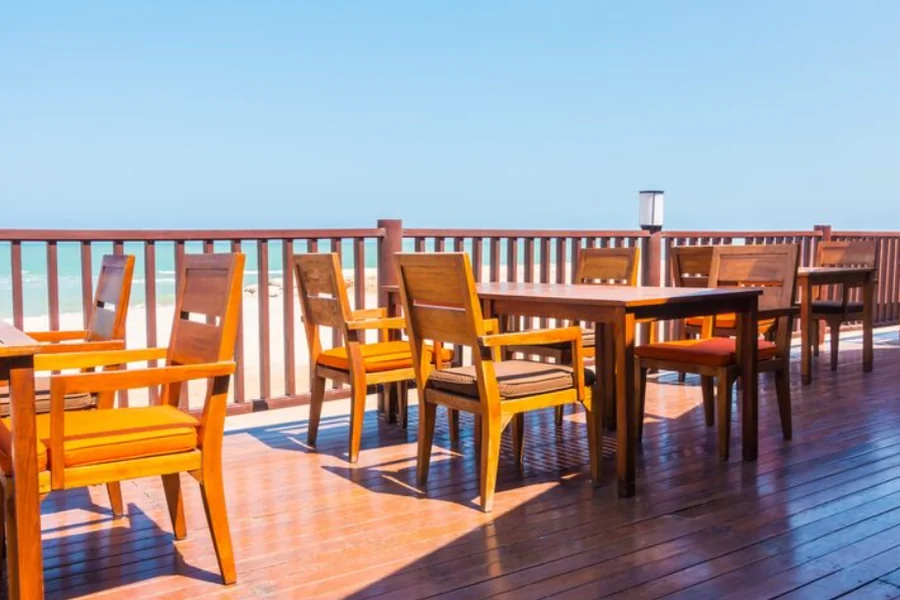
As with any building material, fashion and aesthetic trends influence the choice of decking for contemporary spaces. Current trends highlight the mix of natural and industrial aesthetics, where WPC decking plays a pivotal role. Its ability to emulate wood tones while also incorporating minimalist and bold colour schemes allows for innovative design possibilities.
For architects and designers, the adaptability of WPC decking means it can be utilised in various styles, from rustic to modern minimalist, without sacrificing functionality or environmental responsibility.
Future Prospects
The future of WPC decking is promising, with continual advancements in technology and manufacturing processes expanding its capabilities and applications. As more emphasis is placed on sustainable building materials, WPC decking is likely to play a significant role in shaping the landscapes of tomorrow.
The market is expected to grow as awareness of its benefits spreads, encouraging more industries to adopt this versatile material. This growth is supported by research and development, aimed at improving its performance and sustainability credentials further.
Conclusion
Choosing WPC decking is an investment in durability, aesthetic appeal, and environmental responsibility. It stands as a testament to innovation in the building materials industry, offering solutions that are both forward-thinking and practical. As technology and design trends continue to evolve, WPC decking is set to remain a staple in contemporary outdoor design.