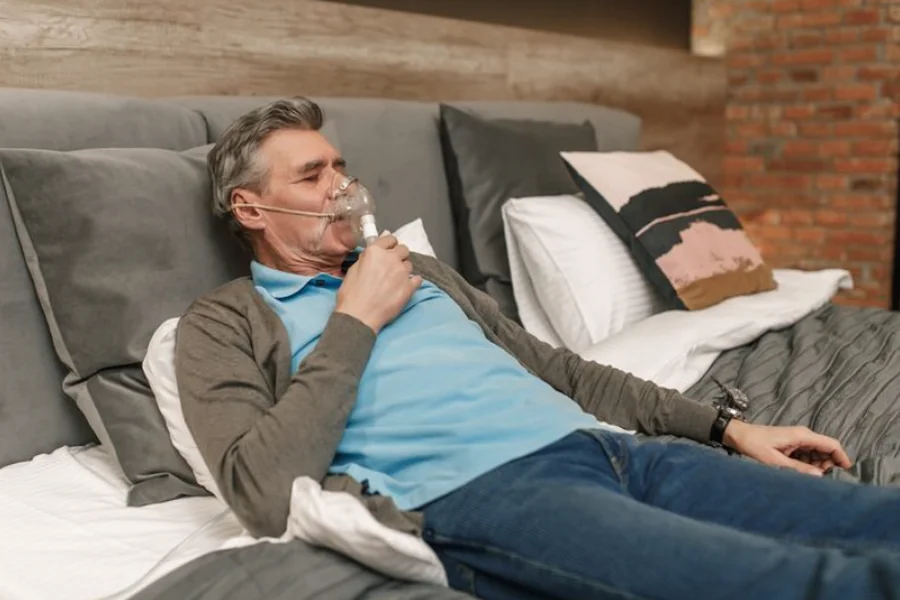
Snoring is not just a nocturnal nuisance; it is a widespread sleep issue potentially affecting one’s health and quality of life. Chronic snoring can lead to restless nights for both the snorer and their partner, resulting in disrupted sleep patterns that carry into daily life. Fortunately, there are effective chronic snoring solutions available that address the root causes and provide relief for those plagued by incessant snoring.
The Physiology of Snoring
Snoring occurs when airflow is obstructed during sleep, causing the tissues in the throat to vibrate. This obstruction can stem from various factors, including nasal congestion, irregularities in the throat architecture, or the position of the tongue. As people age, the likelihood of snoring increases due to decreased muscle tone in the throat. Moreover, lifestyle factors such as smoking, alcohol consumption, and obesity can exacerbate the problem by relaxing soft tissues and narrowing airways during sleep.
Medical Evaluations and Diagnoses
For those experiencing chronic snoring, it is crucial to undergo a medical evaluation. A comprehensive assessment by a healthcare professional, potentially involving sleep studies or an overnight sleep test called polysomnography, can determine the underlying cause of snoring. Proper diagnosis is essential, as snoring may be an indication of obstructive sleep apnoea (OSA), a more severe condition characterised by repeated cessation of breathing during sleep, which can have significant health implications if left untreated.
Lifestyle Modifications
One of the simplest ways to address snoring is through lifestyle modifications. Encouraging weight loss can be beneficial, as excess weight, especially around the neck, can contribute to airway constriction. Additionally, adopting a regular sleep schedule and sleeping on one’s side rather than the back can help reduce snoring. Elevating the head during sleep is another practical method that can open up airways.
Non-invasive Interventions
Numerous non-invasive devices have been developed as solutions for managing snoring. These include nasal strips or dilators that open the nostrils during sleep and mandibular advancement devices (MADs) that reposition the jaw to maintain an open airway. Anti-snoring pillows help in sleeping posture alignment, thereby minimising airway obstruction.
Continuous Positive Airway Pressure (CPAP)
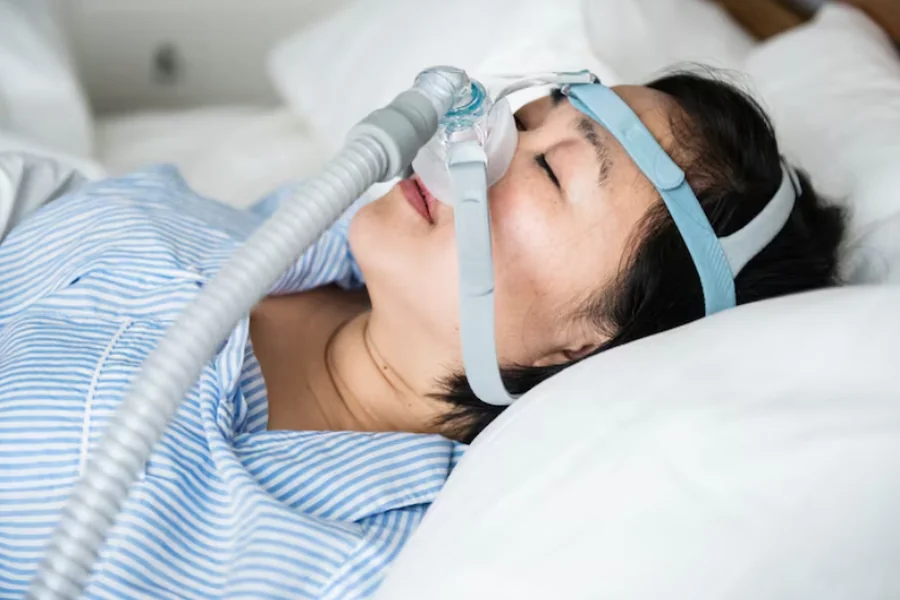
For individuals whose snoring is linked to sleep apnoea, Continuous Positive Airway Pressure (CPAP) therapy is often prescribed. CPAP involves wearing a mask connected to a machine that delivers continuous air pressure, keeping the airways open during sleep. Though effective, CPAP requires consistent use and management to maintain long-term benefits.
Surgical Options
In cases where anatomical abnormalities are the primary cause of snoring, surgical options may be explored. Procedures to remove or reposition tissues, such as uvulopalatopharyngoplasty (UPPP) or radiofrequency ablation, can help reduce snoring. These procedures should be considered after thorough evaluation, as they are more invasive compared to other treatments.
Innovative Technological Solutions
The advancement in technology has seen the emergence of novel approaches to managing snoring. Noise-cancellation technologies and wearable devices are gaining popularity due to their ability to monitor sleep patterns and provide real-time feedback. These tools can aid individuals in identifying triggers and understanding personal snoring patterns, thereby empowering them to take active steps towards resolution.
The Role of Nasal Congestion Management
Nasal congestion can play a significant role in snoring. Implementing strategies to minimise nasal blockages, including using humidifiers to keep air moist during sleep or sinus rinses to clear nasal passages, can be highly effective. Over-the-counter nasal decongestant sprays or prescribed steroid sprays may also offer relief and reduce snoring.
Herbal Remedies and Alternative Approaches
Some individuals turn to herbal remedies and alternative therapies in the hope of alleviating their snoring. Essential oils, such as eucalyptus and tea tree oil, are sometimes used in aromatherapy to clear nasal passages. While these remedies can provide comfort, their efficacy as a standalone treatment for chronic snoring remains largely anecdotal, requiring further scientific backing.
Seeking Professional Support
Consulting with a specialist, such as an otolaryngologist or sleep therapist, can be invaluable for those struggling with persistent snoring issues. Professional support offers tailored strategies and monitored interventions that cater to an individual’s specific needs. Being open to lifestyle changes, device usage, and medical interventions can lead to improved sleep quality and health outcomes.
Navigating Chronic Snoring with Your Partner
Dealing with chronic snoring is often a shared challenge. Open communication with one’s partner about sleep disturbances is essential. Couples may benefit from exploring solutions together, such as sound machines or separate sleeping arrangements temporarily, to ensure both parties achieve restful sleep. Such discussions can alleviate stress and lead to effective joint decision-making regarding treatment options.
Final Thoughts
Chronic snoring, though a common condition, warrants attention and action. By identifying the cause and exploring a variety of solutions, individuals can find relief and enhance their overall health and well-being. Taking proactive steps and remaining informed about the latest treatment options can pave the way for peaceful nights and revitalised mornings.