When you are navigating the complexities of depression or other mental health challenges, finding the right treatment feels like a major hurdle. If you have explored medication or therapy without the results you hoped for, you might have heard about TMS therapy Tampa options. It is natural to have questions when you consider a new way to support your brain health. Many people find themselves in a cycle of trial and error with various medications, only to feel frustrated by limited progress or side effects. This innovative treatment offers a different approach, one that looks directly at the biological underpinnings of mood regulation. Let us walk through nine of the most common questions to help you understand if this path is right for you.
1. What Exactly Is TMS Therapy?
TMS stands for transcranial magnetic stimulation. At its core, it is a non-invasive procedure that uses highly focused magnetic pulses to stimulate specific areas of the brain. You might wonder why we use magnets. The brain is an electrical organ, and neurons communicate through small electrical signals. In people dealing with conditions like depression, the areas responsible for mood regulation can become underactive, essentially slowing down that communication.
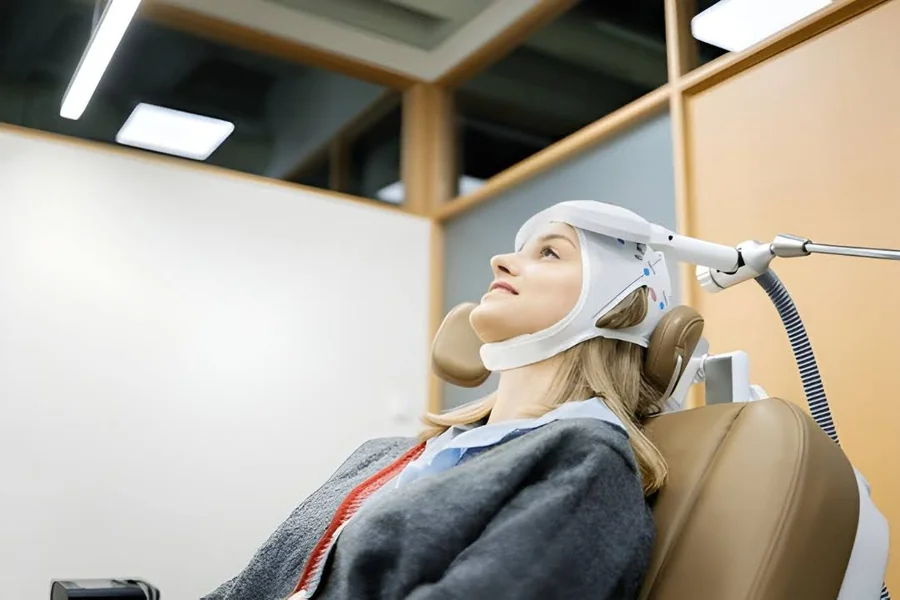
During a session, a specialized coil is placed gently against your scalp. This device sends brief, magnetic pulses into the brain. These pulses pass through the skull easily and create a small, localized electrical current in the targeted region. Think of it as a way to gently wake up dormant neural pathways, encouraging your brain to function more effectively and produce the neurotransmitters that keep your mood stable. It is a targeted, physiological approach rather than a systemic one.
2. Is It Like Shock Therapy?
This is perhaps the most common question patients ask, and it is understandable why. The legacy of older, more intense treatments sometimes colors our perception of anything involving the brain. The answer is a definitive no. TMS is completely different from electroconvulsive therapy.
In electroconvulsive therapy, the patient is placed under general anesthesia and a seizure is intentionally induced. TMS does not involve seizures, it does not require anesthesia, and you do not need sedation. You stay fully awake during the entire process. You remain alert, and you can communicate with your technician the entire time. There is no recovery time, meaning you can jump right back into your daily life immediately after finishing your session. You could go to work, head to the grocery store, or meet a friend for lunch without any lag.
3. What Do I Feel During a Session?
When you come in for your session, you sit in a comfortable chair. The technician places the magnetic coil against your head. Once the treatment begins, you will feel a rhythmic, tapping sensation on your scalp. Most patients hear a clicking sound, which is why we provide earplugs to keep things comfortable.
While the sensation might feel unusual during your very first visit, most people adjust to it within just a few minutes. It is not painful, though some report a slight, temporary tenderness. Many of our patients use this time to catch up on their reading, listen to a podcast, or even just engage in quiet conversation with the staff. You are in control, and you can ask for adjustments to ensure you are as comfortable as possible.
4. How Many Sessions Will I Need?
A typical course of treatment is not a one-time event, nor is it a quick fix. It is a series. A full course usually lasts several weeks, with sessions happening five days a week. This structure is intentional. By providing consistent, daily stimulation, we are training the brain to maintain these new, healthier patterns of activity.
The exact number of sessions depends on your individual needs and the clinical protocol your provider recommends based on your specific symptoms. While it requires a commitment of your time, many patients find that the daily rhythm becomes a helpful anchor in their lives, providing a consistent space dedicated solely to their healing and well-being.
5. Are There Side Effects?
One of the most appealing aspects of this therapy is its safety profile. TMS is generally well-tolerated. Because it does not involve medication circulating through your entire body or interacting with your digestive or metabolic systems, it avoids the systemic issues often associated with antidepressants.
The most common side effects are mild and usually involve temporary, localized scalp discomfort or headaches during or immediately following the treatment. These sensations are usually most noticeable in the first few days and tend to diminish quickly as your body becomes accustomed to the procedure. We monitor you closely, and most patients find that these issues are easily managed and do not interfere with their daily responsibilities.
6. Can I Drive Myself Home?
Yes, absolutely. Because you are fully awake and do not receive any sedation, you are completely capable of driving to and from your appointments. This is a significant factor for many of our patients who need to maintain their professional and personal schedules. You do not need to arrange for a ride, and you do not have to worry about feeling groggy or unfocused after you leave the office. Many people find that they appreciate the ability to maintain their autonomy throughout the treatment process.
7. Who Is a Good Candidate?
Generally, this treatment is considered for individuals who have not seen the results they wanted with traditional antidepressant medications or psychotherapy. If you have reached a plateau in your recovery or if the side effects of traditional medications have made them difficult to tolerate, it may be time to look at different options.
Before you begin, a qualified provider will conduct a thorough evaluation of your medical history. This is to ensure the treatment is safe for your specific situation. For example, we must check for any non-removable metal implants in or around the head, as these can be sensitive to the magnetic fields. We want to ensure that every patient who walks through our doors is a good fit for this specific intervention.
8. How Soon Will I Feel Better?
It is important to manage expectations here. Everyone responds differently to treatment. Some people report starting to notice subtle improvements in their mood and energy levels after just a few sessions, while for others, the shift is more gradual and takes a few weeks to become apparent.
The process is about biological change, and that takes time. It is a journey of growth rather than a sudden switch. We encourage our patients to keep track of their progress, perhaps using a journal or a simple daily rating scale. This helps both you and your provider see the small, steady gains that you might not notice on a day-to-day basis, confirming that you are on the right track.
9. Is This Covered by Insurance?
The landscape of mental health care is evolving, and many insurance plans now recognize the efficacy of this treatment and provide coverage for it. However, every plan is different. The best, most effective step is to have a consultation with a provider who can verify your specific insurance benefits.
A good office will handle the legwork of verifying coverage and walking you through the process of obtaining necessary authorizations. This removes a significant barrier of stress for you. Our goal is to make the process as straightforward as possible, so you can focus your energy where it truly belongs: on your recovery and getting back to the life you want to lead.
Choosing to seek help for your mental health is a brave and important step. If you have more questions about TMS therapy Tampa, reaching out to a local specialist can provide the personalized answers you need to move forward with confidence.