Picture this. You finally are allowed to go on a weekend trip with your grandchildren. But then, you realize that the oxygen tank weighs more than the suitcase and that you are out of oxygen before lunch! That moment is tiring for anyone living with COPD, pulmonary fibrosis, or any other disease where oxygen is required 24 hours a day. It is also extremely prevalent.
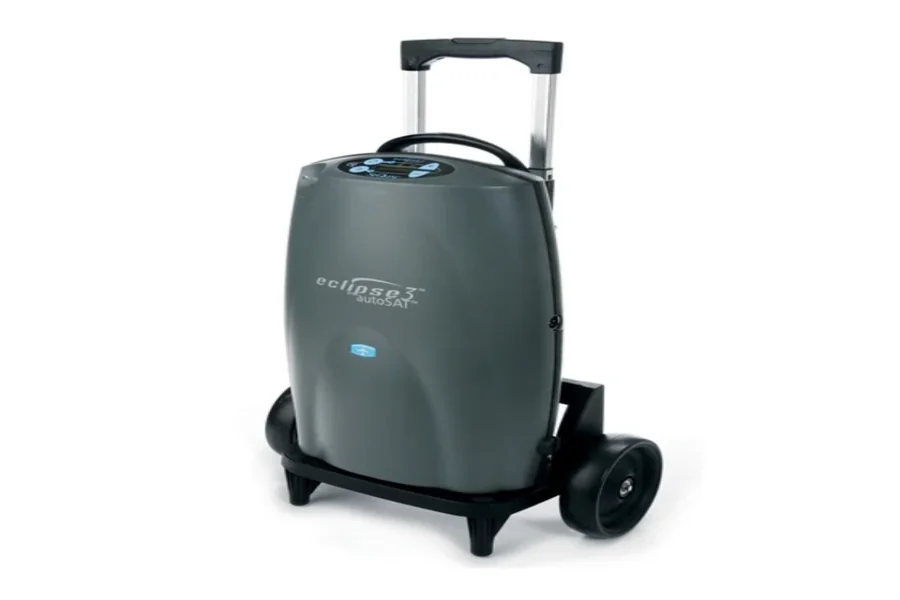
The good news is that the right portable continuous flow Oxygen concentrator can restore your freedom virtually overnight and allow you to travel, rather than plan your day around a machine. However, there’s a catch as well. Not all the units available have a constant flow of oxygen, and choosing the wrong unit can result in you getting stranded, feeling uncomfortable or just spending more money.
Therefore, it’s best to know what makes a top-notch portable continuous flow Oxygen concentrator before putting your money into one. This guide addresses just that next.
1. Match the Rate to Your Prescription
The initial thing to pinpoint is the flow rate before examining brands or price labels. A portable continuous flow oxygen concentrator must have the same number of liters-per-minute as prescribed to you by your doctor, not merely resemble it.
The types of devices used in continuous flow are not the same as pulse-dose machines. Pulse-dose units only release oxygen when you inhale. Continuous flow systems provide you with an uninterrupted flow no matter the way you breathe. That is precisely why physicians prescribe them to those patients who require oxygen at night or patients with more severe hypoxemia.
Thus, prior to purchase, ask a couple of straightforward questions:
- Is the maximum LPM setting within your prescribed range?
- Is it capable of sustaining that flow during the night when the breathing rate decreases?
- Is your doctor sure that the model is appropriate for your therapy plan?
The maximum continuous flow limit of some portables is 2 LPM, and some have a 3 LPM maximum. It has the potential to truly impact your oxygen saturation and general well-being, so do not solely rely on marketing statements; you should verify the spec sheet.
2. Weigh Battery Life and Portability Together
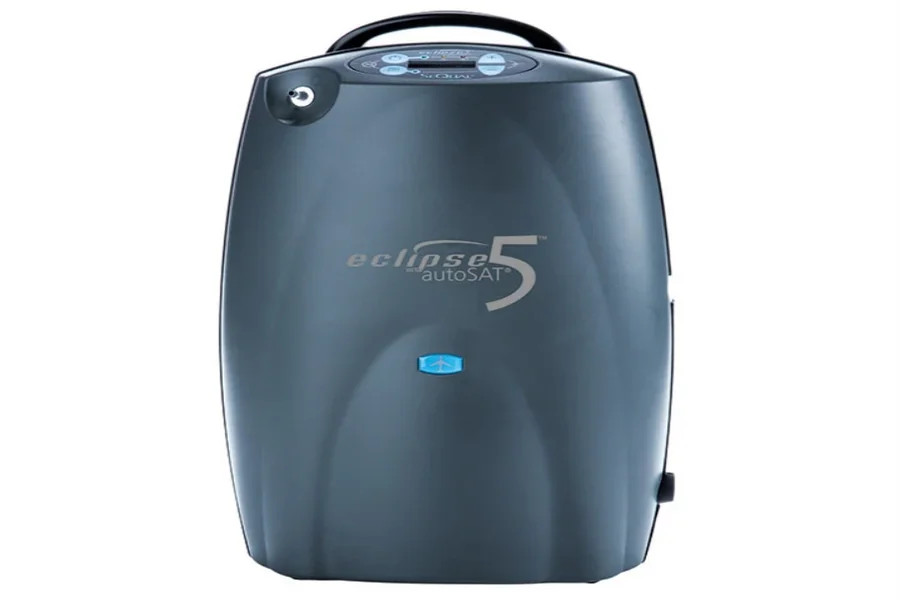
When the flow rate is determined, the next thing is practical: how can you easily carry this thing around? A machine which is technically portable but weighs fifteen pounds and runs out of power in an hour and a half is not going to aid you in having an enjoyable day out.
What to check before purchase:
- The time spent on battery in the continuous flow mode in particular, and not the lighter pulse-dose mode as commonly promoted by manufacturers.
- How quickly does the battery recharge between uses?
- The ability to charge it in a car charger on road trips.
- Weight, with battery pack, not just base unit.
According to a recent industry roundup of continuous flow equipment in the year 2025, actual real-world data, discussing the quantity of units that really work when not at home, tells a truer story about which units are truly worthwhile.
3. Confirm FAA Approval If You Plan to Travel
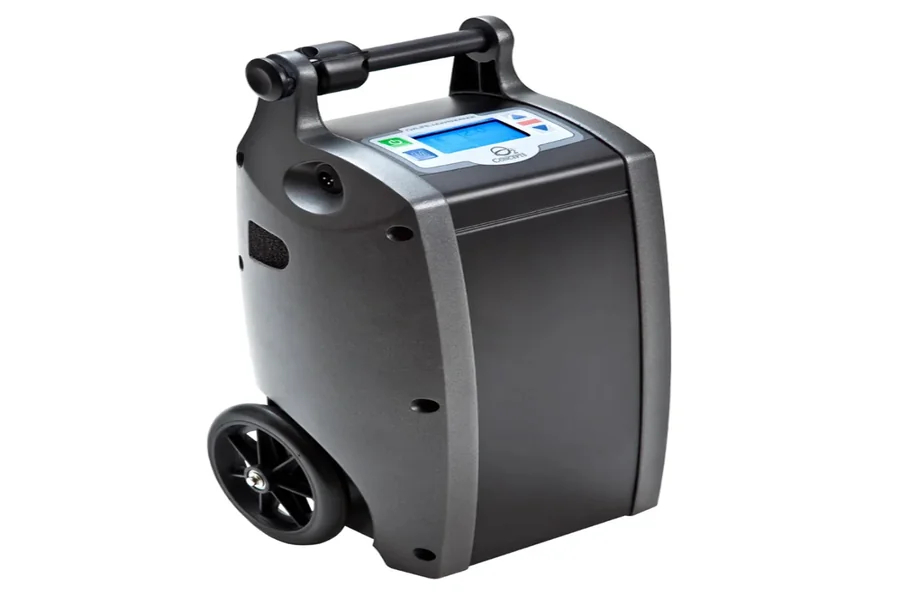
Airlines require portable oxygen concentrators to carry FAA approval before allowing them to be onboard. There are continuous flow models that are omitted from that list of things that are approved, largely due to the amount of power they require.
Before booking a flight, take these steps:
- Check out the manufacturer’s documentation for FAA approval, specific to your exact model.
- It is advisable to make a confirmation call with the airline in advance.
- Always, just in case, carry a printed copy of the approval letter when traveling.
Here, the clinical case of continuous flow is also heightened. In a study published at the European Respiratory Society Congress in 2025, it was established that the novel continuous-flow handheld devices were equal to the time-tested gold standard in ambulatory oxygen treatment. This is a relief, especially when you intend to use your device even when you are not at home, at the airport, or on the road.
4. Check Noise Level and Ease of Use
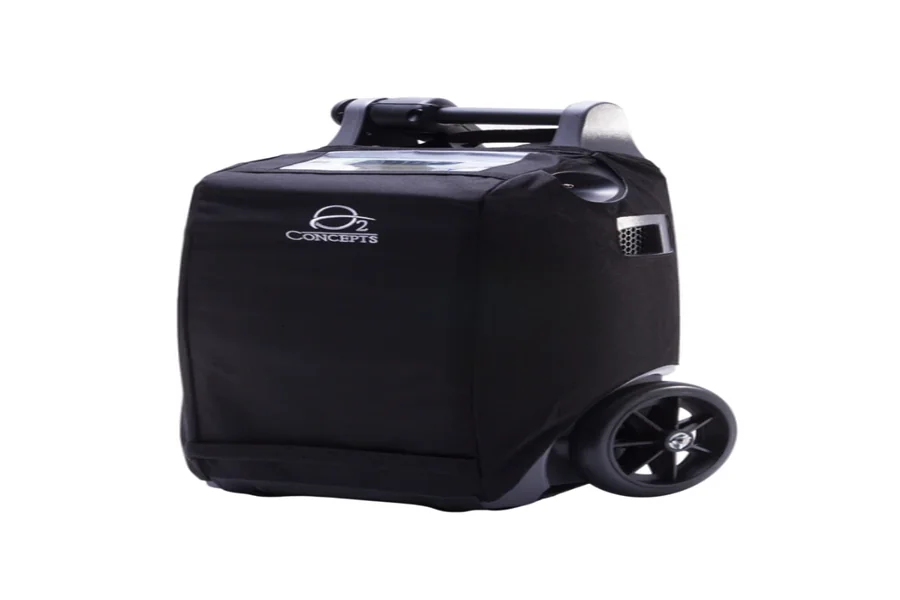
One can neglect this aspect easily until one is seated in a silent waiting room, and his or her concentrator is as noisy as a small vacuum cleaner. The amount of noise varies substantially among models, and in case you value discretion or just want to sleep next to the device without disturbance, the few minutes of searching for the decibel rating of the models is worth it.
In addition to sound, comfort of use also matters:
- Do the controls look easy to read and modify, particularly among older adults?
- Can you quickly view settings clearly on the display?
- Is the interface uncomplicated, even to a person of limited dexterity?
A machine that is hard to use undermines the entire objective of the portable because the reluctance to carry it at all times silently creeps up. According to governmental health statistics, COPD is still among the top chronic illnesses among adult residents of the United States, and that is why ease of use is not such a trivial matter. It has a direct relation to how individuals adhere to long-term oxygen therapy as advised.
5. Compare Cost, Warranty, and After-Sales Support
Last but not least is the question of money, and the continuous flow of portable concentrators is not cheap. The sticker price is only part of the equation, though.
Before finalizing a purchase, look into:
The warranty period, as these machines work hours a day, and parts wear out.
Availability of replacement batteries and filters down the line.
The responsiveness of customer service in case of an issue.
The nonprofit health organizations observe that the total economic cost of COPD, involving the continued cost of treatment, reaches billions yearly in the U.S. It is a good reminder that it may be worth spending a little extra money now on a unit supported and proven to save money and stress in the long run.
A little increase now can truly imply fewer unexpected costs and a lot less trouble in the future.
Final Thoughts
Choosing the right portable continuous flow oxygen concentrator comes down to balancing your medical needs with your lifestyle. Adjust the flow rate properly. Be realistic in terms of carrying ability and battery life. Check that you can bring it on the trip. Be sure that it is comfortable to live with day to day. Don’t overlook the details of price and service.
Take these checkpoints one at a time instead of rushing, and involve your doctor along the way. The outcome is a device that really suits you and your lifestyle, and not just one that looks great in a commercial.