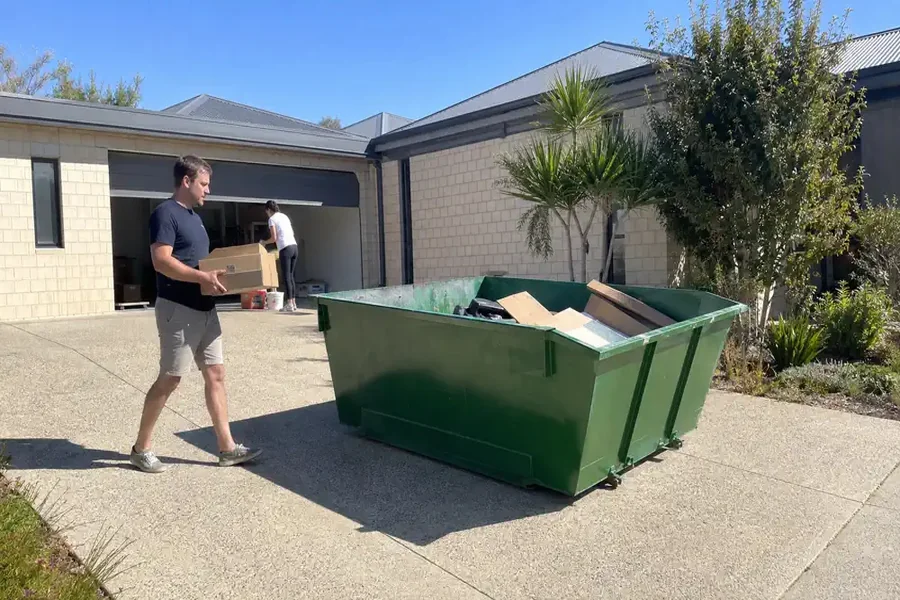
Garden waste has a personality all its own. It’s bulky yet often light, sometimes wet, occasionally spiky, and it can pile up faster than you’d ever expect once the pruning shears come out. Choosing skip bins Perth gardeners can genuinely rely on means thinking a little differently than you would for household or building rubbish. Green waste follows its own rules, and matching the right container to it makes the whole clean-up smoother, cheaper, and far less frustrating.
Understanding What Green Waste Actually Is
Before choosing anything, it helps to know what counts. Garden waste typically covers grass clippings, leaves, branches, prunings, weeds, and small amounts of soil.
Keeping this material separate from general rubbish matters. Clean green waste can often be recycled or turned into mulch, so a bin dedicated to it supports a more environmentally responsible outcome than mixing everything together.
Judging Volume Over Weight
The classic mistake with garden waste is sizing by weight when you should be thinking about space. Leaves and clippings weigh very little but swallow volume alarmingly quickly.
Why Bulk Is the Real Measure
A modest hedge trim can fill a surprising amount of a container without adding much weight at all. For most garden jobs, the deciding factor is how much room the waste occupies, so choosing generously on capacity usually beats erring small.
Sizing to Suit the Scale of the Job
Different outdoor tasks call for very different volumes, and being honest about the scope helps you choose well.
A light seasonal tidy — a few bags of clippings and some pruned branches — needs only a compact bin. A full landscaping overhaul, complete with removed shrubs and turned-over beds, demands something considerably larger. Picturing the finished pile before your book steers you toward the right fit.
Accounting for Heavier Garden Materials
Not all outdoor waste is feather-light. Soil, turf, rocks, and pavers are dense, and they change the equation entirely.
If your project involves these, weight suddenly matters as much as volume. A smaller, sturdier bin is often the right call for heavy material, since a large container packed with soil can quickly exceed safe and legal loading limits.
Thinking About Placement in the Garden
Where the bin will sit deserves a moment’s thought, especially around a property with lawns, paths, and landscaping to protect.
Getting Access and Positioning Right
Consider how the container will be delivered and where it can rest without damaging turf or blocking access. Choosing a size and spot that suits your outdoor space avoids awkward manoeuvring and keeps the rest of the garden intact during the job.
Keeping Materials Sorted for Recycling
Choosing a green-waste bin works best when you commit to keeping it clean. Tossing in plastic pots, general rubbish, or treated timber can contaminate an otherwise recyclable load.
If your clean-up includes a broader mix of non-organic household or outdoor rubbish, general waste skip bin hire may be more suitable than placing those materials in a dedicated green-waste bin.
A little discipline here pays off. Keeping the container purely organic maximises the chance the waste gets composted or mulched rather than diverted to landfill, which is better for both the environment and, often, the cost.
Matching Hire Time to Garden Work
Outdoor projects tend to unfold at their own pace, sometimes stretching across several weekends. The hire period should reflect that reality.
A quick blitz might need the bin for only a day or two, while a gradual, staged garden transformation benefits from a longer arrangement. Aligning the timing with how you actually work prevents both wasted days and unfinished piles.
The Right Bin Makes Garden Jobs Effortless
Selecting a container for outdoor waste comes down to reading the job honestly — its bulk, its weight, its pace, and the space you’re working in. Get those factors right and the clean-up almost takes care of itself. Whether it’s a simple seasonal tidy or a complete garden makeover, the correct choice turns a potentially messy chore into a straightforward, satisfying finish.