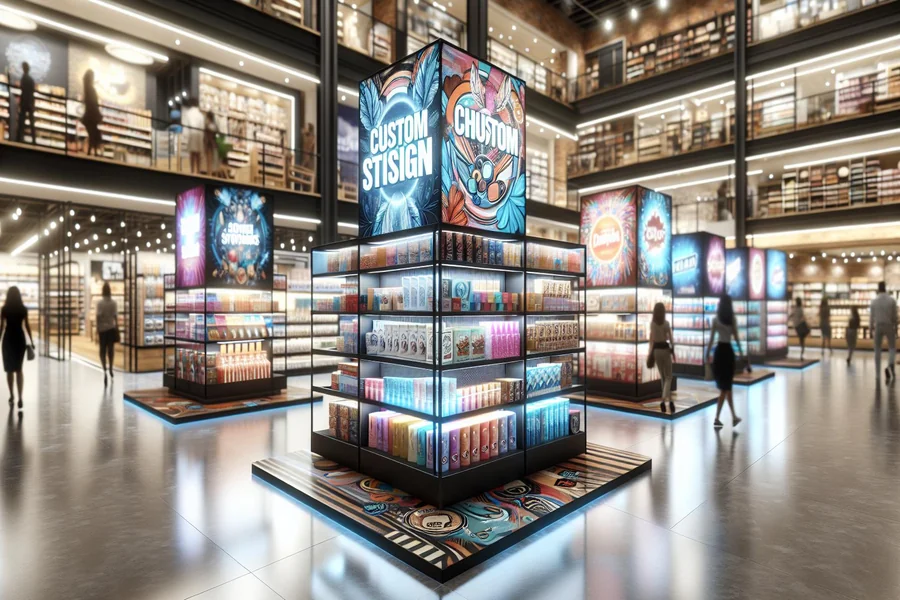
In today’s competitive market environment, brands must find effective ways to capture consumer attention and enhance their presence within retail spaces. One of the most impactful methods for achieving this is through the use of custom retail displays. These tailored solutions offer retailers and brands the opportunity to create visually compelling and strategically positioned displays that engage shoppers and encourage purchase decisions.
The Role of Retail Displays in Brand Visibility
Retail displays play a critical role in how brands are perceived within stores. They act as a direct communication channel between the brand and the consumer, influencing the shopper’s experience and decision-making process. Well-designed displays can differentiate a product from competitors and reinforce brand identity through colour schemes, design elements, and placement.
Brands that invest in effective retail displays reap the benefits of increased product visibility and improved sales metrics. This is especially true when the displays are customised to reflect the unique characteristics of the brand and its target market.
Advantages of Custom Retail Displays
Custom retail displays provide a number of advantages over standard or off-the-shelf options. They offer flexibility in design, allowing brands to tailor the messaging and visuals precisely to their marketing objectives. By incorporating brand colours, logos, themes, and messaging, these displays ensure a consistent and powerful brand presence within the retail environment.
Moreover, customised displays can be engineered to suit specific retail spaces, maximising available floor space and optimising product presentation. Such a tailored approach ensures that the displays fit seamlessly within the store layout and complement other fixtures and fittings, enhancing the overall shopping experience.
Types of Custom Retail Displays
Custom retail displays come in various formats, depending on the nature of the product and the retail environment. Common types include point-of-sale displays, freestanding units, shelf-ready packaging, end caps, and interactive kiosks. Each type serves a unique purpose but shares the common goal of attracting consumer attention and facilitating product engagement.
Point-of-sale displays are often placed near the checkout area to encourage last-minute impulse purchases. Freestanding units may be placed in high-traffic areas to showcase new product launches or promotional campaigns. End caps, situated at the end of aisles, also draw significant attention and can be customised to create impactful brand statements.
Design Considerations for Effective Retail Displays
Designing an effective custom retail display requires careful consideration of several factors. The first is understanding the target audience and their shopping behaviours. This knowledge influences the choice of colours, messaging, and layout to ensure the display resonates with the intended consumers.
Functionality is equally important. Displays must be sturdy enough to support products and durable for extended use within the retail space. Additionally, ease of assembly and potential for reusability can offer brands cost savings over time.
Visual hierarchy should also be a key focus during design, with the most important product information or call-to-action prominently displayed. Lighting effects and incorporated technology can further enhance the visual impact and encourage shopper interaction.
Materials and Sustainability
The materials selected for custom retail displays have a direct impact on both aesthetics and environmental footprint. Brands increasingly seek sustainable options that align with consumer values and corporate social responsibility goals. Materials such as recycled cardboard, biodegradable plastics, and sustainably sourced wood are gaining popularity.
Custom displays that promote sustainability can strengthen brand reputation and appeal to environmentally conscious shoppers. In addition, selecting materials that are both durable and eco-friendly reduces waste and supports long-term brand commitments to sustainability.
Integrating Technology with Retail Displays
Technological integration has become a growing trend in the retail display sector. From digital screens to interactive features, technology enhances consumer engagement by providing rich product information, visual demonstrations, or even augmented reality experiences.
Incorporating technology into custom retail displays offers brands innovative ways to communicate their value propositions. It enables shoppers to interact with the brand in a meaningful way, increasing the likelihood of purchase and fostering brand loyalty.
Measuring the Impact of Custom Retail Displays
To assess the effectiveness of custom retail displays, brands and retailers can employ various metrics. Sales uplift is a primary indicator, as a successful display should increase product sales relative to baseline figures.
Consumer engagement and foot traffic data can also provide insights into how well the display attracts attention. Surveys and shopper feedback offer qualitative insights that may inform future display designs and marketing strategies.
Collaboration Between Brands and Retailers
The creation and implementation of custom retail displays require close collaboration between brands and retailers. This partnership ensures that the displays align with store formats, consumer flow, and overall merchandising strategies.
A cohesive approach benefits both parties. Retailers gain from displays that enhance their store environment and increase sales, while brands receive valuable exposure and customer connection opportunities.
Trends in Custom Retail Displays
Current trends in custom retail displays highlight the importance of immersive customer experiences and sustainability. Brands are leveraging bespoke designs combined with eco-conscious materials to meet evolving consumer expectations.
Personalisation and modularity are other notable trends. Modular displays enable brands to adapt visual merchandising quickly and cost-effectively according to promotional cycles and seasonal demands.
Challenges in Implementing Custom Retail Displays
Despite their advantages, custom retail displays present certain challenges. High initial costs for design and production may deter smaller brands. Logistics concerning transport and storage can also complicate deployment, especially for large or complex structures.
To mitigate these risks, brands should plan strategically, budget appropriately, and collaborate with experienced display manufacturers who understand retail environments.
Future Outlook
The use of custom retail displays is expected to grow as retail environments continue to evolve. Brands seeking distinctive differentiation from competitors will increasingly rely on bespoke solutions that combine design, technology, and sustainability.
Enhanced consumer expectations for experiential retail and personalised product engagement will drive innovation in display formats. By investing in custom retail displays, brands position themselves for greater visibility and stronger connections with their target markets.
Conclusion
Custom retail displays represent a powerful tool for brands aiming to enhance their visibility and influence shopper behaviour. Through tailored design, sustainable materials, and technology integration, these displays offer a unique opportunity to create lasting brand impressions within retail spaces.
When executed well, custom retail displays can significantly support marketing strategies, increase sales, and build brand loyalty. Businesses that prioritise customised solutions will be better equipped to navigate the dynamic landscape of modern retail.