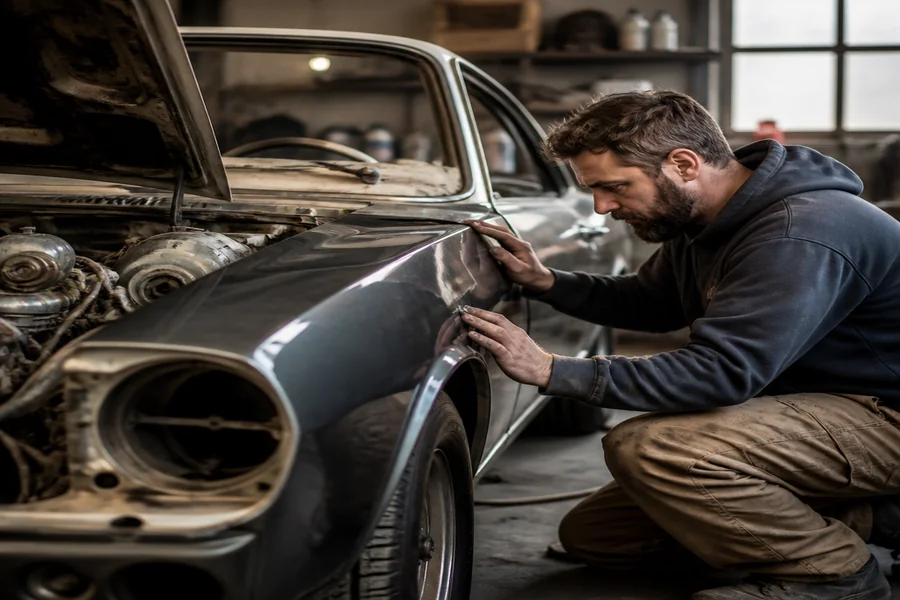
When facing illness or supporting a loved one through a health challenge, many people discover unexpected sources of strength and distraction. For some, vintage muscle car restoration offers more than mechanical satisfaction—it provides structure, purpose, and a tangible connection to better days. The process of bringing a 1960s Ford Mustang back to life demands focus and patience, qualities that mirror the resilience required during medical recovery.
The Therapeutic Value of Hands-On Projects
Working with your hands creates a different kind of healing space. Unlike the uncertainty that often accompanies health challenges, a restoration project offers clear problems with tangible solutions. When you rebuild a carburetor or align body panels, progress is measurable. The smell of metal polish, the texture of original upholstery fabric, and the sound of an engine turning over for the first time after months of work—these sensory experiences ground people in the present moment.
Caregivers and patients alike report that automotive projects provide necessary mental breaks from medical appointments and treatment schedules. The garage becomes a space where conversations flow naturally around shared tasks rather than diagnosis updates. Family members who struggle to find the right words during difficult times often discover that passing tools and discussing compression ratios creates its own form of connection.
Why 1960s Muscle Cars Resonate During Difficult Times
The appeal of classic American performance vehicles extends beyond their aesthetic beauty. These machines represent an era when automotive design prioritized boldness and optimism, qualities that feel particularly meaningful during challenging health journeys. The golden age of American V-8 engines and chrome styling produced vehicles that embodied confidence and possibility—emotions worth reclaiming when circumstances feel limiting.
For many enthusiasts, their passion for specific models traces back to childhood memories or family history. A father who once owned a Mustang fastback, a grandfather who taught basic mechanics using a Shelby GT, or simply the poster that hung in a teenage bedroom—these connections give restoration work deeper significance. Working on the same model decades later becomes a way to honor those memories and maintain continuity with one’s past self.
Starting Small: Entry Points for New Restorers
Full frame-off restorations demand considerable time, space, and physical stamina—resources that may be limited during medical treatment or caregiving. Fortunately, automotive projects scale to match available energy. Detailing and interior work can be done seated, at a comfortable pace, and paused whenever necessary. Polishing chrome trim pieces or conditioning leather seats requires minimal physical exertion while still delivering visible results.
Research phases also provide meaningful engagement without physical demands. Studying factory specifications, tracking down correct parts through online forums, and connecting with other enthusiasts creates community and purpose. Many people find that planning their ideal build during treatment becomes something positive to focus forward energy toward, with execution deferred until strength returns.
When Modern Reliability Matters More Than Originality
Traditional restoration philosophy emphasizes period-correct components and original manufacturing techniques. However, individuals managing health conditions often have different priorities. A classic Mustang that starts reliably, stops safely with disc brakes, and maintains comfortable cabin temperatures through modern climate control serves recovery better than a temperamental numbers-matching trailer queen.
This perspective has led many enthusiasts toward resto-mod approaches that preserve vintage styling while incorporating contemporary engineering. For those researching this path, resources like the 1967 shelby gt500 guide demonstrate how modern components can integrate with classic design. Companies specializing in reproduction vehicles with upgraded powertrains, suspension, and safety features recognize that driving enjoyment matters more than concours correctness for many collectors, particularly those who want dependable transportation that also lifts spirits.
Building Community Through Shared Passion
The classic car community offers connection that extends beyond the vehicles themselves. Local car clubs organize cruise nights, swap meets, and informal garage gatherings that create social opportunities distinct from hospital waiting rooms. These events allow people to be seen for their interests and expertise rather than defined by medical conditions.
Online forums and social media groups dedicated to specific models provide 24-hour access to knowledgeable enthusiasts willing to troubleshoot problems and share encouragement. The same platforms where people ask about correct carburetor jetting or paint codes also become spaces where they discuss managing projects during chemotherapy or coordinating restoration work around dialysis schedules. This practical support network understands both the technical and personal challenges involved.
Documenting the Journey
Many people find value in photographing and journaling their restoration progress alongside their health journey. The parallel documentation creates a visual record of resilience—both the car and its owner undergoing transformation simultaneously. These records serve multiple purposes: they provide concrete evidence of progress during discouraging moments, create shareable content that keeps distant friends and family connected, and ultimately become meaningful artifacts of a challenging period survived.
Sites like personal health journals that track treatment progress and recovery milestones can naturally incorporate restoration updates as part of the broader story. When someone writes about completing another round of treatment, mentioning that they also finished installing new suspension components or completed the interior restoration provides balance and demonstrates life continuing beyond medical necessity.
Measuring Success Beyond Completion
Not every restoration project reaches the finish line, and that reality matters less than the process itself. A partially completed Mustang sitting in the garage represents hours of productive distraction, skills learned, and challenges overcome. Some projects deliberately remain ongoing, providing a reason to keep moving forward and setting small achievable goals when larger life circumstances feel overwhelming.
The flexibility to work at your own pace, stop when energy wanes, and resume when strength returns makes automotive restoration particularly compatible with recovery timelines. Unlike employment deadlines or social obligations, a classic car waits patiently. It demands attention and effort but judges neither the speed nor scope of progress. This non-judgmental reliability makes the garage a sanctuary where people can be both challenged and supported according to their current capacity.
Looking Forward From the Driver’s Seat
The first drive after completing a restoration—or even after a significant repair—carries special weight for those who have faced serious health challenges. That moment of turning the key, hearing the engine respond, and feeling the car move under its own power parallels the experience of reclaiming independence after illness. Both represent systems restored to function, both embody the investment of patience and effort, and both prove that damage need not be permanent.
Whether the goal involves a complete concours restoration, a reliable weekend cruiser, or simply maintaining a running project that provides purpose, classic muscle cars offer something valuable to people navigating difficult health journeys. They provide structure without rigidity, challenge without judgment, and connection to both past and future. In the intersection of American automotive heritage and personal resilience, restoration becomes more than mechanical work—it becomes a declaration that better days lie ahead, one completed task at a time.