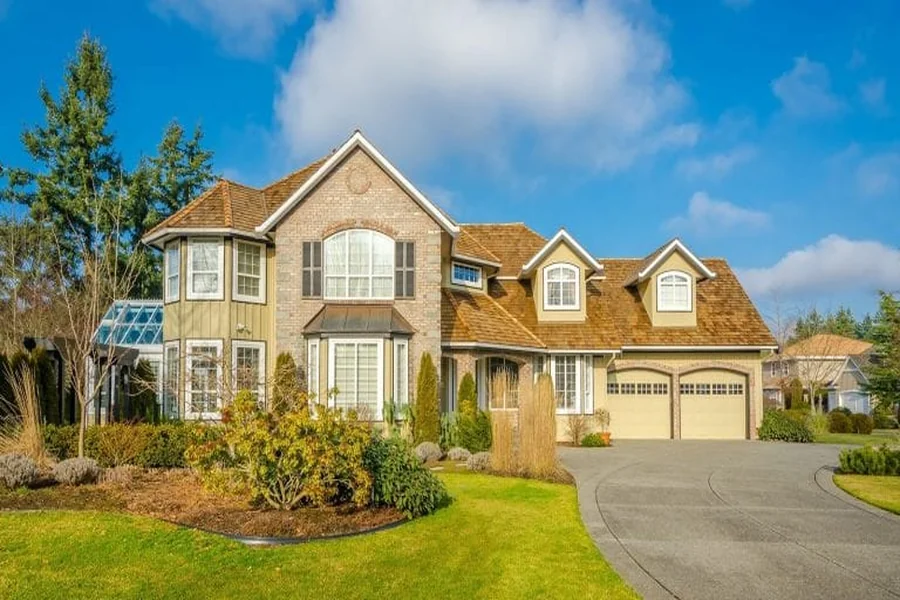
Selling a residential property is a significant financial milestone that requires a careful blend of market strategy and property optimization. For the vast majority of homeowners, their house represents the largest asset in their investment portfolio. Naturally, when entering the real estate market, the primary objective is to maximize home equity, accelerate the closing timeline, and attract competitive, high-value offers.
However, many sellers treat the pre-listing phase with passive compliance. They assume that clean interior walls and basic tidying are enough to command premium market pricing. In a modern real estate landscape driven by digital algorithms and high-definition real estate photography, an unpolished listing will quickly be bypassed by discerning buyers.
A successful home sale is never an accidental stroke of market luck. It is a calculated triumph of spatial engineering, interior psychology, and meticulous exterior detailing. By following a structured listing preparation guide, you can eliminate buyer friction, protect your property from lowball counteroffers, and ensure your home stands out as the premier listing in your regional market.
1. Execute a De-Cluttering Protocol and Maximize Spatial Volumetrics
The absolute primary law of strategic home staging is removing personal clutter to maximize perceived square footage. When prospective buyers tour a property, they are not evaluating your personal lifestyle or family memorabilia; they are mentally casting their own future into the square footage.
To optimize the spatial flow, implement a strict “50 percent reduction rule.” Pack away off-season clothing, family portraits, eccentric artwork, and excess furniture. This opens up clear transit pathways and makes rooms feel substantially larger. Clear, unencumbered floor space allows natural light to bounce deeply into the home, elevating the emotional appeal the moment a buyer crosses the threshold.
2. Address the Hidden Flaws with a Pre-Listing Home Inspection
Many sellers choose a reactive approach to repairs, waiting for the buyer’s professional home inspector to uncover issues during the under-contract escrow phase. This strategy is a major financial risk that regularly triggers sudden transaction cancellations or aggressive price renegotiations.
Proactive sellers schedule a pre-listing home inspection ahead of time. Spending a small amount upfront to audit your roofing system, electrical panel, and HVAC loops allows you to handle minor repairs on your own schedule. Presenting a clean inspection report along with receipts for recent maintenance builds immediate trust, proves your home has been meticulously cared for, and locks in your asking price.
3. Elevate the Defensive Envelope and Vacation-Level Curb Appeal
While interior aesthetics dominate the listing narrative, the physical exterior of your property dictates whether a buyer even opens the front door. First impressions happen in the driveway; if your front yard looks unkempt, buyers assume the interior systems are similarly neglected.
To secure a clean, premium aesthetic that frames your home beautifully in real estate listings, optimize the ground cover textures framing your foundation walls. If your home is situated in a region characterized by intense high-desert sun or rocky mountain winds, choosing heavy stone elements ensures your entry borders stay perfectly clean and defined.
Smart sellers elevate their perimeter flower beds by layering uniform, washed stone aggregates along their walkway paths. Utilizing premium bagged landscape rocks in Herriman allows you to install pristine stone matrices precisely where the camera lens captures the home’s exterior angle.
These mineral ground covers serve an essential functional purpose: they instantly mask uneven dirt spots, block weeds from growing without the use of chemical sprays, and never fade under direct sunlight. By locking down a fresh stone border around your front porch and entry landscaping, you completely eliminate muddy runoff, create a beautiful visual frame that complements your exterior paint, and signal to buyers that the property requires minimal ongoing maintenance.
4. Standardize Lighting Dynamics and Neutralize the Senses
Human behavior and buying choices are deeply influenced by sensory triggers. A home that feels dark, shadows visual details, or carries faint pet or cooking odors will instantly trigger an adverse avoidance response from a visitor.
Maximizing internal illumination is a highly cost-effective way to make small rooms feel bright, optimistic, and welcoming. Ensuring every fixture works flawlessly eliminates dark corners, making your home look clean and polished in listing photos.
5. Execute Precision Painting and Fine Hardware Calibrations
The final phase of listing preparation focuses on micro-aesthetics—the tiny physical touchpoints that buyers interact with throughout a property tour. Scuffed walls, outdated cabinet knobs, or sticky exterior door locks leave a subtle impression of deferred maintenance.
Invest in a fresh coat of premium, neutral paint (such as soft alabasters, light warm greys, or modern taupes) across high-traffic living spaces. Neutral tones widen rooms visually and provide a clean canvas that suits a buyer’s personal style. Pair this fresh paint with updated, modern cabinet pulls, fresh interior door handles, and a new matching deadbolt on the front entry door. These minor upgrades provide a smooth, tactile experience, making the entire property feel updated, reliable, and premium.
Conclusion
Preparing a home for the real estate market is never an accidental feature of casual home cleaning; it is a calculated triumph of structural organization, proactive maintenance, and smart exterior preparation. By replacing passive listing habits with rigorous de-cluttering protocols, pre-listing home inspections, premium landscape rock borders, standardized lighting arrays, and fresh neutral finishes, you successfully protect your home equity from market depreciation. Taking the time to systematically audit your property from a buyer’s perspective removes friction from the negotiation process. Investing in these comprehensive pre-listing safeguards guarantees that your house stops behaving like a passive, stagnant listing and transforms into a highly attractive, competitive asset designed to command top offers and deliver absolute financial clarity.