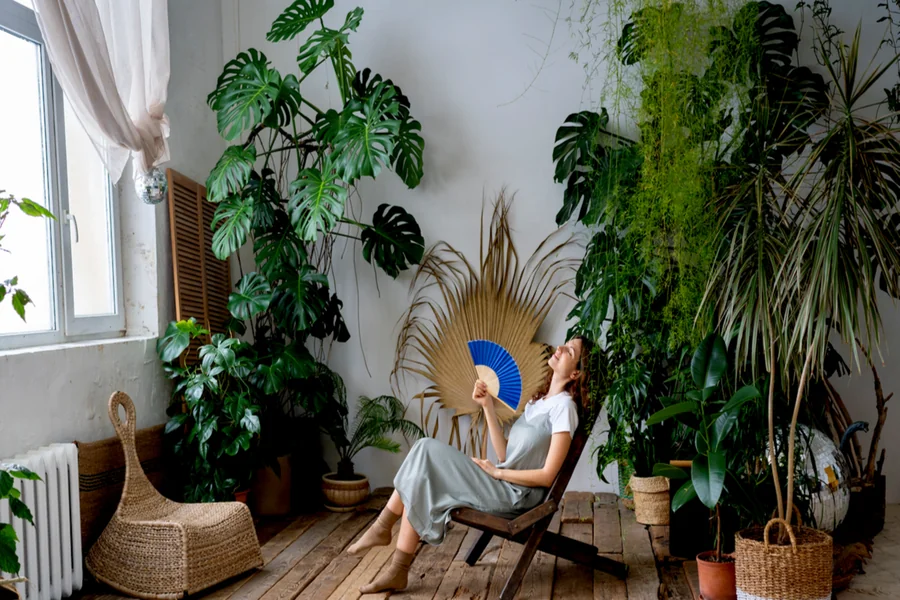
Living in a compact urban apartment does not mean you have to abandon your dreams of growing a lush, green sanctuary. While the lack of a traditional backyard or spacious patio might seem like a permanent barrier, interior spaces offer unique opportunities for successful plant cultivation. Transitioning your living space into a thriving indoor ecosystem relies on understanding environmental factors, maximizing structural space, and selecting species capable of adapting to residential life.
Assess and Maximize Available Light Resources
Light is the primary currency of plant survival, making a thorough analysis of your windows the essential first step in apartment gardening. Not all windows provide the same type of solar energy. South-facing windows offer the most intense, prolonged sunshine, making them ideal for heat-loving varieties like cacti, succulents, and Mediterranean herbs. East-facing glass catches gentle morning rays, while west-facing windows receive intense afternoon heat. North-facing windows provide minimal, indirect light that is best suited for resilient foliage plants.
When natural sunshine falls short, modern technology can easily bridge the gap. Energy-efficient LED grow lights are compact, produce minimal heat, and emit the specific full-spectrum wavelengths required for photosynthesis. Utilizing adjustable desktop grow lamps or mounting slim light strips underneath kitchen cabinets transforms dim bookshelves, dark corners, and windowless countertops into prime real estate for active plant growth.
Optimize Spatial Layouts Vertically
When square footage on the floor is limited, the smartest strategy is to expand your cultivation upward. Utilizing vertical space keeps your main living areas unobstructed while dramatically increasing your total plant capacity. Hanging macrame planters from ceiling hooks allows cascading varieties to trail downward, creating a living curtain effect without consuming an inch of furniture space.
Wall-mounted planter pockets, floating timber shelves, and multi-tiered plant stands maximize vertical surface areas. Position heavier, moisture-retentive ceramic pots on lower levels to ensure structural stability, and place lightweight plastic or terracotta containers higher up. Grouping plants closely together on shelves does more than just look attractive; it actually creates a localized microclimate. As plants transpire, they release moisture into the air, raising the surrounding humidity levels to help the entire group survive dry indoor heating.
Select the Right Species for Interior Conditions
The secret to a thriving apartment jungle lies in choosing varieties that match the realistic conditions of your home, rather than fighting against your environment. Novice growers often make the mistake of choosing delicate outdoor plants that struggle in static indoor air. Instead, focus on hardy tropical understory plants that naturally evolved to thrive beneath dense jungle canopies where direct sunlight is scarce.
Excellent starter options include the snake plant and the ZZ plant, both of which survive for weeks without regular water and tolerate deep shade. For areas with moderate indirect light, pothos vines and heartleaf philodendrons grow rapidly with minimal intervention. If you want to cultivate specialty indoor trees or pick up rare tropical specimens that require specific regional care advice, visiting a dedicated plant nursery in Salt Lake City can provide access to hardy acclimated inventory suited for high-altitude interior environments. Matching your plant choices to the environmental constraints of your rooms ensures a much higher success rate.
Implement Systematic Watering and Soil Management
In an outdoor garden, excess water drains away naturally into the deeper earth. Inside an apartment, water has nowhere to go, making root rot the number one cause of indoor plant failure. Always choose growing containers that feature functional drainage holes at the bottom, and pair them with deep saucers to catch overflow before it ruins your flooring.
Use premium, well-draining potting mixtures that incorporate aerating ingredients like perlite, orchid bark, or coarse sand. Before picking up the watering can, check the soil moisture levels by inserting your finger two inches deep into the pot. If the earth feels damp, wait a few days. Water thoroughly until liquid flows freely from the base of the container, then empty the standing water from the saucer after fifteen minutes to prevent the roots from suffocating in stagnant moisture.