After a whole day in the fields or the woods, the only thing on most hunters’ minds is getting home and resting. However, moisture, mud and sweat left in a case or backpack for a few hours can damage gear more than the hunt itself. Half an hour of work in the evening saves money on repairs and replacements. The gun comes first, then everything else.
Where Does Gun Maintenance Start Right After a Hunt
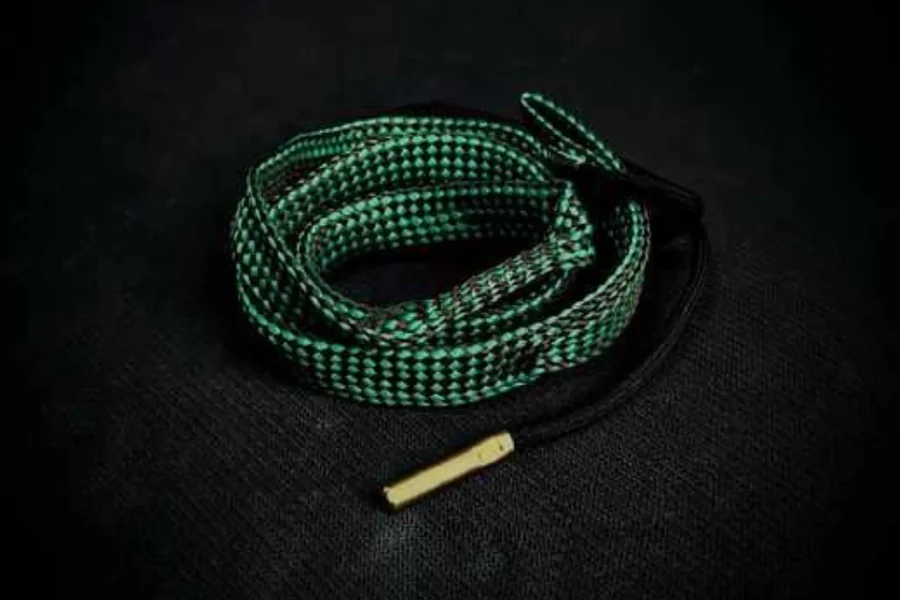
A gun comes back damp even if it hasn’t rained, since morning dew and sweat from hands settle on the metal. It is unloaded, wiped down on the outside with a dry cloth and the bore is inspected. For a quick clean right in the truck, the pull-throughs at https://www.gunnix.us/catalog/bore-snakes come in handy: a brass weight drops through the barrel, followed by a cord with a brush and a cotton tail. A full cycle takes about 30 seconds, and after two or three passes the bore is protected until the trip home is over.
How Does a Pull-Through Work and When Is It Enough
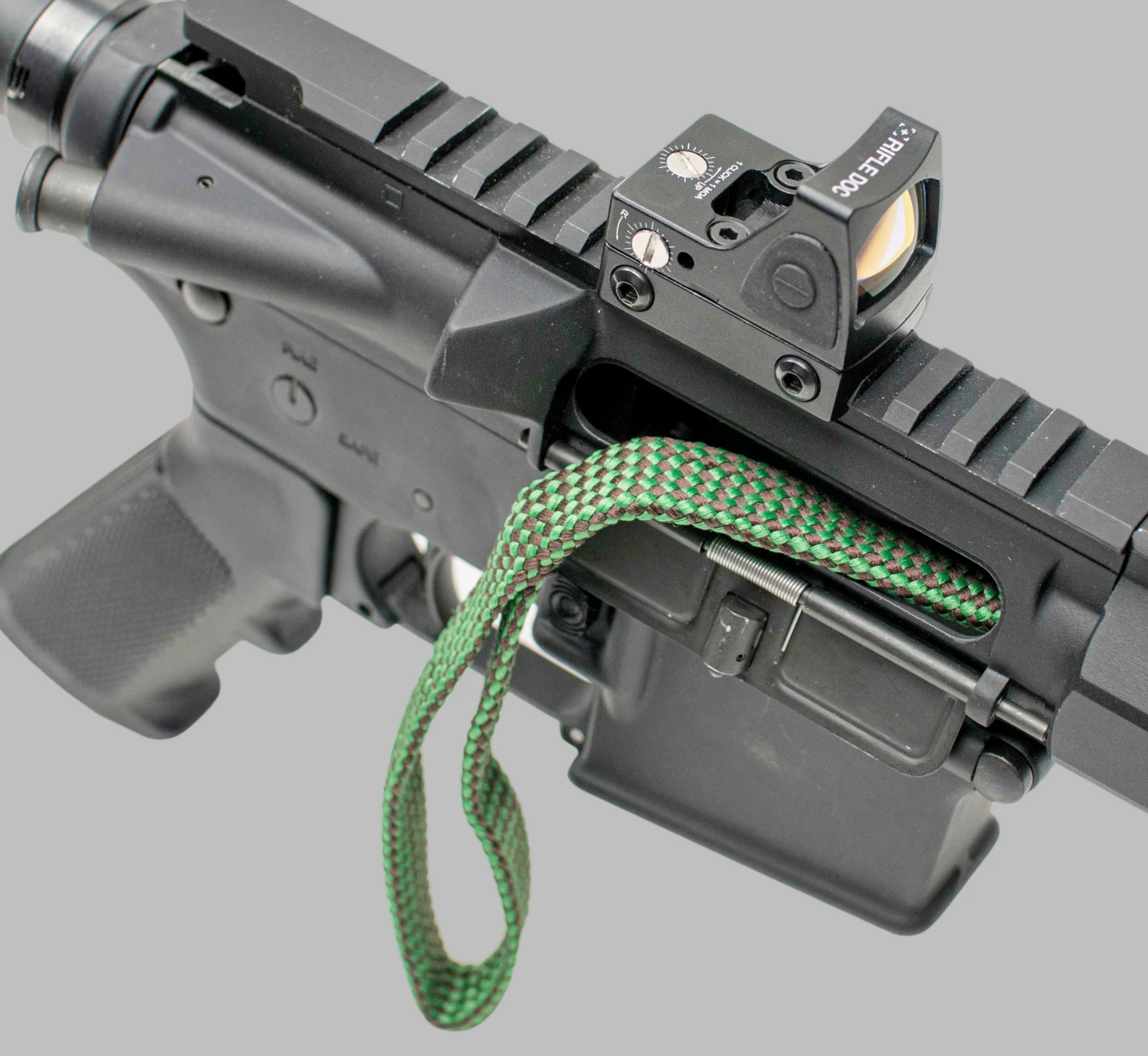
A bore rope gun snake works in three stages. The front cotton section, wetted with solvent, softens the deposits, the woven bronze brush removes carbon and copper, and the long tail wipes the walls dry. The weight is dropped in through the chamber, and the cord is pulled straight so it doesn’t rub the crown. Passes always go from breech to muzzle. In the field this is enough, but at the end of the season the barrel still gets a full cleaning with a rod, brushes and patches.
What Else Needs Attention the Same Evening
The gun isn’t the only thing that suffers from damp. The rest of the gear is best sorted out right away, before the mud dries. A short list looks like this:
- boots are cleaned of clay and dried away from the heater, stuffed with paper;
- clothing is shaken free of seeds and burrs and hung up to dry;
- optics lenses are blown free of dust before being wiped with a lens cloth;
- the knife is washed, dried and given a thin coat of oil on the blade.
Leather slings and sheaths are dried at room temperature, since heat makes leather crack. The backpack is turned inside out and left open until morning.
Why Shouldn’t a Gun Stay in Its Case Overnight
A soft case is almost always damp inside after a hunt. With the gun zipped in, the moisture stays trapped, and by morning the first rust spots can appear. So the firearm spends the night in a dry room, while the case is unzipped and dried separately. After hunting in the rain, the barreled action is removed from a wooden stock where the design permits, so the wood can dry at room temperature.
What Determines the Right Size
Bore snakes for cleaning guns are labeled by bore diameter, not cartridge name. One model fits .308, .30-06 and 7.62 NATO, another 9mm, .357 and .38. Shotguns have separate versions for 12 and 20 gauge. A cord that’s too large is hard to pull through, and one that’s too thin barely touches the walls and leaves fouling in the rifling.
How Can the Service Life Be Extended
Cleaning bore snakes on a regular schedule noticeably extends their working life. The cord is washed every 3 to 5 trips by hand or in a washing machine, air-dried and stored in a sealed bag. A mesh laundry bag keeps the brass weight from banging against the drum. A cord cared for this way lasts 50 to 100 cycles or more, and it’s due for replacement once the bristles lie flat and the cord no longer grips the bore.
Small tasks put off until tomorrow tend to turn into rust, scuffs and a musty smell. Evening care takes very little time, and by the next outing all the gear is dry, clean and ready.