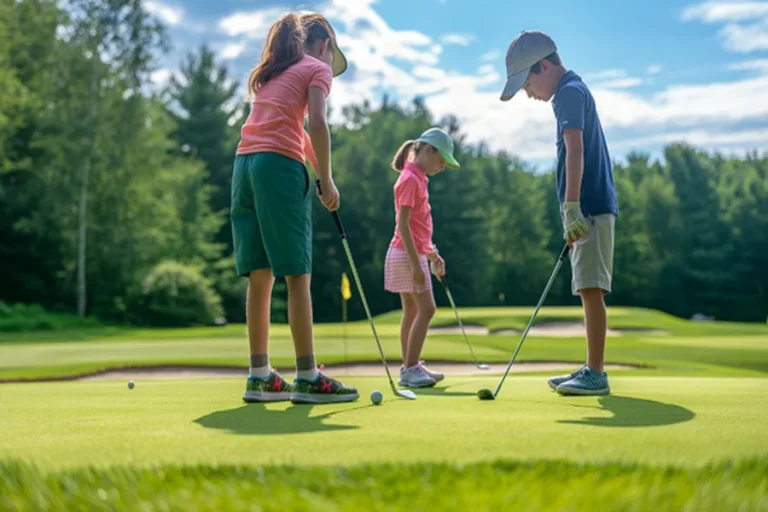
Friendships are not just a pleasant addition to life; they are a fundamental necessity for human flourishing. From the playground to the retirement community, our social bonds shape our brains, protect our bodies, and give our lives meaning. Here is how friendships enrich our lives at every stage of development.
1. Childhood: The Training Ground for Life
In our earliest years, friends are our first window into the world outside our families. They serve as essential partners in emotional and social development.
- Building Social Skills: Children learn the fundamentals of sharing, negotiation, and compromise through play.
- Developing Empathy: Interacting with peers helps children understand that other people have different feelings, perspectives, and needs.
- Emotional Regulation: Playground conflicts teach kids how to manage anger, disappointment, and rejection in a safe environment.
2. Adolescence: Identity and Independence
During the turbulent teenage years, the focus shifts from parents to peers. Friends become a crucial anchor during a time of rapid biological and social change.
- Forming Identity: Teenagers use their friend groups to test new interests, styles, and values as they figure out who they are.
- Creating a Safety Net: Friends provide validation and a sense of belonging, shielding teens from the academic and social pressures of high school.
- Healthy Separation: Strong peer bonds give adolescents the confidence to step away from parental dependence and transition toward adulthood.
3. Adulthood: The Anchor Through Transition
As career, romantic, and family responsibilities peak, maintaining friendships becomes harder—but significantly more vital. Adult friends keep us grounded.
- Buffering Stress: A quick vent session with a trusted friend lowers cortisol levels and prevents burnout from work or parenting.
- Navigating Milestones: Whether it is starting a career, getting married, buying a home, or becoming a parent, friends who share these phases provide invaluable mutual support.
- Preserving Selfhood: Friends remind us of who we are beyond our professional titles and family roles, helping keep our personal passions alive.
4. Later Life: The Ultimate Health Booster
In older age, the role of friendship shifts from emotional support to a critical pillar of physical health and longevity.
- Combating Isolation: Retirement and empty nests can lead to dangerous isolation. Whether residing in a home or a senior living community like Victoria Place, seniors maintain active friendships that keep them engaged and connected to the community.
- Sharpening the Mind: Regular social interaction exercises the brain, which helps delay cognitive decline and reduces the risk of dementia.
- Increasing Longevity: Studies consistently show that older adults with strong social ties have lower blood pressure, reduced inflammation, and a longer life expectancy than those who are isolated.
Universal Benefits at Every Age
Regardless of whether you are 8 or 80, high-quality friendships provide three undeniable life upgrades:
- Better Physical Health: Strong social connections boost your immune system and help you recover faster from illness or surgery.
- A Mirror for Growth: True friends hold us accountable, celebrate our wins, and gently call us out when we need to grow.
- Pure Joy: Friends are the people we laugh with, share adventures with, and turn to for the shared experiences that make life truly rich.
Conclusion
At every stage of life, friendships offer much more: happiness, purpose, joy, health benefits, and a sense of belonging and fulfillment. In all matters of life or situations, real friends can assist and support you in ways no one can.