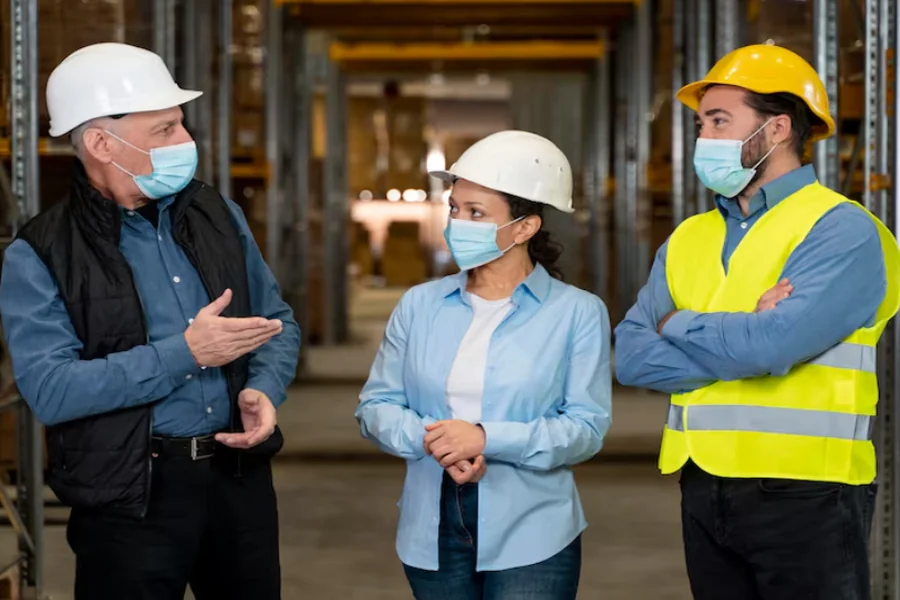
Singapore stands as a beacon of excellence in workplace safety and health management, underpinned by strict regulations and proactive governance. Quality Safe ensures your business is compliant with the Safety and Health Management System regulations in Singapore, which is crucial for maintaining operational integrity and enhancing the welfare of the workforce. These systems, more than a regulatory necessity, are a testament to Singapore’s commitment to fostering a culture of safety across all industries.
Understanding the Safety and Health Management System (SHMS)
A Safety and Health Management System (SHMS) in Singapore is a comprehensive framework designed to manage workplace safety and health (WSH). It is a systematic approach that integrates safety into the day-to-day operations of an organisation. The primary aim is to prevent accidents and ill-health, ensuring that all employees can work in a safe and healthy environment.
The SHMS involves several elements, including policy and commitment, planning, implementation and operation, performance measurement, and review. These components work together to identify potential hazards, evaluate risks, and implement control measures. By doing so, companies can significantly reduce workplace accidents and health-related incidents.
Legal Framework and Compliance
In Singapore, the Workplace Safety and Health Act (WSH Act) is the cornerstone of workplace safety and health. It imposes obligations on various stakeholders to ensure safety and health in the workplace. This law has shifted the focus from merely reacting to incidents to proactively preventing them.
The government mandates that all workplaces must implement an SHMS if they meet certain criteria, such as having high-risk activities or a significant number of employees. Compliance with the WSH Act is enforced through regular audits and inspections by the Ministry of Manpower (MOM). Non-compliance can lead to hefty fines and could adversely affect an organisation’s reputation.
Benefits of Implementing an SHMS
Implementing an SHMS brings numerous advantages to organisations across various sectors. Firstly, it improves the overall safety culture within the organisation. Employees who see their company investing in safety protocols are more likely to engage in safe practices and adhere to safety guidelines.
Secondly, an effective SHMS reduces incident rates and improves employee morale and productivity. When employees feel secure in their work environment, their job satisfaction and performance levels tend to increase. Additionally, fewer incidents mean lower costs related to insurance premiums and compensation claims.
Another significant benefit is the enhancement of a company’s reputation. Clients and partners prefer to engage with businesses known for their commitment to safety, thus broadening potential market opportunities.
Key Components of an Effective SHMS
Building a robust SHMS involves various key components that organisations must consider to ensure its effectiveness:
1. Leadership and Commitment
Top management must be visibly committed to the SHMS. Their active involvement and commitment to safety and health initiatives are critical. This includes setting clear safety objectives, allocating necessary resources, and maintaining open communication channels regarding safety issues.
2. Hazard Identification and Risk Assessment
A crucial component of an SHMS is identifying potential hazards and assessing the risks associated with them. This process should be ongoing and involve regular reviews to account for new or changing workplace environments and processes.
3. Training and Competency
Continuous training for employees is essential to ensure they have the necessary skills and knowledge to work safely. Training programmes should be tailored to different levels within the organisation, from management to operational staff, to reinforce the importance of safety and health policies.
4. Performance Monitoring and Review
Regular monitoring and evaluation of the SHMS are vital to ensure its effectiveness. Organisations should establish key performance indicators (KPIs) related to safety and health objectives. By doing so, they can measure progress and identify areas for improvement.
5. Emergency Preparedness
Preparedness for emergencies is a crucial aspect of workplace safety. Organisations must have robust emergency preparedness plans that are regularly updated and tested to ensure they are effective in the event of an incident.
Challenges in Implementing SHMS
Implementing an SHMS can pose several challenges. One significant challenge is changing the organisational culture to prioritise safety. This requires not only management buy-in but also employee engagement and participation, which can be difficult to achieve.
Another challenge is maintaining the system over time. Organisations must ensure that their SHMS remains relevant and effective despite changes in workplace conditions, processes, or regulatory requirements. This requires ongoing commitment and resources.
Additionally, small and medium enterprises (SMEs) often face resource constraints when trying to implement an SHMS. However, these organisations can seek assistance from Singapore’s WSH Council, which provides guidelines and resources to support the development of effective safety and health management systems.
The Role of Technology in SHMS
Technology plays an increasingly vital role in enhancing the effectiveness of SHMS. From digital platforms that facilitate real-time monitoring of safety conditions to software that helps manage safety training and documentation, technology has transformed how organisations approach safety management.
Moreover, technological advancements such as data analytics and artificial intelligence allow for more sophisticated risk assessments and predictive modelling, enabling organisations to identify potential hazards before they lead to incidents.
Conclusion
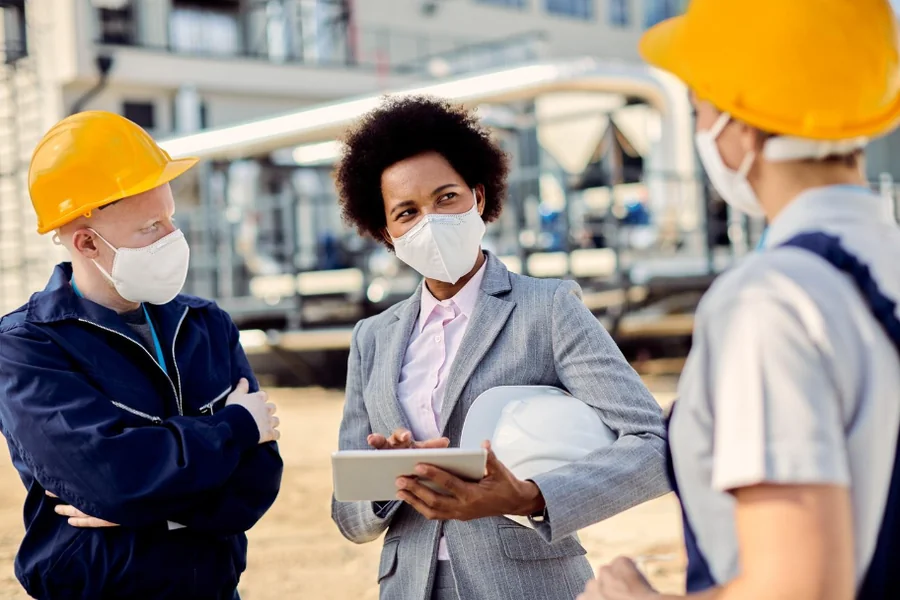
The Safety and Health Management System in Singapore represents a deliberate and strategic approach to workplace safety and health. By committing to these systems, organisations can protect their employees, reduce operational risks, and enhance their overall business resilience. The combination of regulatory compliance, technological advancements, and continuous improvement makes the Singaporean approach to safety and health management a model worth emulating globally.