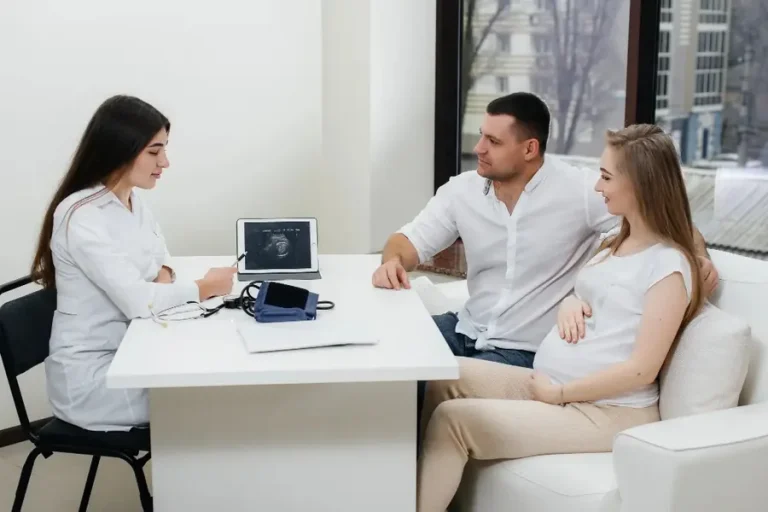
Trust is the backbone of good healthcare. It shapes every step, from whether a patient shows up for a visit to how openly they share their symptoms. When people trust their doctor, they are more likely to follow advice and take care of their health. That’s why many people search for terms like best primary care physician near me, family doctor near me, or trusted healthcare provider when choosing care.
When that trust is missing, the impact can be serious. The good news is that many patients still believe in their doctors, but there is room to grow. Building and keeping trust takes effort, time, and clear communication in every patient care experience.
How Patients Can Find a Primary Care Physician They Can Actually Trust
When evaluating providers, people searching for the best primary care physician near me should ask direct questions about care logistics, availability, and communication style. Vague or evasive answers matter. Online reviews, medical board records, and word-of-mouth each contribute something, but together, they paint a far more useful picture than any single source can.
Stay Engaged After the First Visit
Choosing the right provider is step one. Sustaining a trustworthy relationship requires ongoing effort, bringing written questions to appointments, sharing honest feedback early, and not waiting until frustration peaks before addressing something that feels off.
Understanding Doctor‑Patient Trust: The Real Foundation of Quality Care
Trust between a doctor and patient goes far beyond pleasantries. It’s confidence, the kind that lets patients disclose uncomfortable truths and providers deliver honest, sometimes difficult guidance.
For Medicare-eligible adults seeking relationship-centered care, providers like Oak Street Health offer a meaningful model. Patients can find primary care doctors near me with providers who genuinely invest time in understanding someone’s complete health picture, not just the presenting complaint.
How Trust Changes Patient Behavior
When patients genuinely feel heard, they share more. That openness gives physicians the complete, accurate picture needed for sound clinical decisions. Without it? Patients withhold symptoms, skip follow-ups, and spiral into self-diagnosis rabbit holes online. That’s not just frustrating, it’s a real clinical risk.
The First Visit Sets Everything in Motion
The very first appointment either builds a foundation or quietly begins to crack one. Rushed interactions, dismissive language, jargon-heavy explanations, these small failures compound over time. Getting trust right from day one isn’t just good etiquette. It’s genuinely good medicine.
The Importance of Trust in Medical Relationships, Beyond Bedside Manner
The importance of trust in medical relationships extends well past warmth or rapport. It directly shapes whether patients take their medications, return for follow-up, and engage honestly when something feels wrong.
Clinical Outcomes That Actually Improve
Patients who trust their providers adhere better to prescribed treatments, participate more actively in preventive care, and manage chronic conditions more effectively. These aren’t marginal gains; they’re the difference between conditions that are managed and ones that spiral.
Here’s a number that should concern everyone: between 2019 and 2024, physician trust dropped by 12 percentage points [jamanetwork.com]. That decline has measurable consequences for public health engagement, hospital readmission rates, and how willing people are to seek care at all.
The Psychological Dimension Nobody Talks About Enough
When patients trust their provider, anxiety decreases noticeably. They feel safe enough to ask the questions they’d normally keep to themselves, the ones that often hold the most diagnostic value. That emotional safety doesn’t just feel better. It produces more honest, productive clinical conversations.
Key Strategies for Building Trust in Healthcare
Building healthcare trust isn’t accidental. It requires intentional choices about how providers communicate, collaborate, and show up reliably for every patient they serve.
Communication Is the Foundation, Not a Soft Skill
Plain language. Steady eye contact. Actually listening rather than mentally drafting a response. These behaviors aren’t minor courtesies; they’re clinical tools. Digital platforms like patient portals and telehealth extend this quality of communication beyond the walls of an exam room.
Shared Decision-Making Changes the Dynamic
When patients feel like partners rather than passive recipients, trust deepens from a pleasantry into something real. Shared decision-making means explaining tradeoffs, presenting options, and respecting what a patient values, not just what a protocol recommends.
Consistency Is Where Trust Either Lives or Dies
Forgotten referrals, unreturned phone calls, and inconsistent billing each quietly chips away at patient confidence. Reliable care coordination and timely follow-through signal something important: that the patient genuinely matters beyond the appointment slot.
Innovative Approaches to Trust-Building in 2026 and Beyond
Technology Can Strengthen Trust, When Used Thoughtfully
AI-assisted clinical tools are becoming part of real patient conversations, and the early evidence is interesting. Patients reported higher clarity of information and overall satisfaction with AI-assisted consultations compared to standard care, while showing equivalent levels of trust and perceived empathy. That’s worth paying attention to.
Health Equity: Trust Requires Reaching Everyone
Technology scales well, but only when it reaches people equitably. For patients from historically underserved communities, building trust in healthcare means confronting barriers no algorithm can fully resolve. Culturally competent care, multilingual resources, trained staff, and authentic community partnerships make a measurable difference in whether marginalized patients seek care at all.
Online Reputation Matters More Than Providers Often Realize
The journey toward finding a trusted provider almost always starts online. When someone searches for the best primary care physician near me, authentic reviews, transparent ratings, and responsive provider profiles directly shape where they decide to go. That digital first impression carries real weight.
Trust in Healthcare: A Quick Comparison
| Factor | High-Trust Relationship | Low-Trust Relationship |
| Patient Adherence | Consistently follows care plans | Frequently skips medications |
| Communication | Open, honest, two-way | Guarded, incomplete |
| Health Outcomes | Better long-term results | Higher complication rates |
| Patient Satisfaction | High, loyal patient base | Frequent provider switching |
| Mental Well-being | Reduced anxiety | Elevated healthcare avoidance |
What the Future of Trust in Healthcare Actually Looks Like
AI empathy tools, decentralized patient networks, and peer-driven review platforms are reshaping how trust is built in healthcare. At the same time, trust in human providers remains strong and essential.
The future isn’t about technology replacing human connection. Instead, it’s about combining genuine care with thoughtful, transparent use of technology. When used with intention, these tools can support stronger relationships rather than replace them, helping patients feel more informed, respected, and confident in their care.
Final Thoughts: Trust Is the Most Effective Clinical Tool Anyone Has
Trust isn’t a bonus feature in healthcare. It’s the foundation on which everything else depends. Patients who trust their providers engage more honestly, follow through on care plans, and reach better long-term outcomes.
The importance of trust in medical relationships shows up in every clinical measure that actually matters. Whether you’re a provider working to earn that confidence every single day or a patient trying to find the right fit, investing in trust in healthcare is never wasted. It’s simply the most effective thing anyone can do.