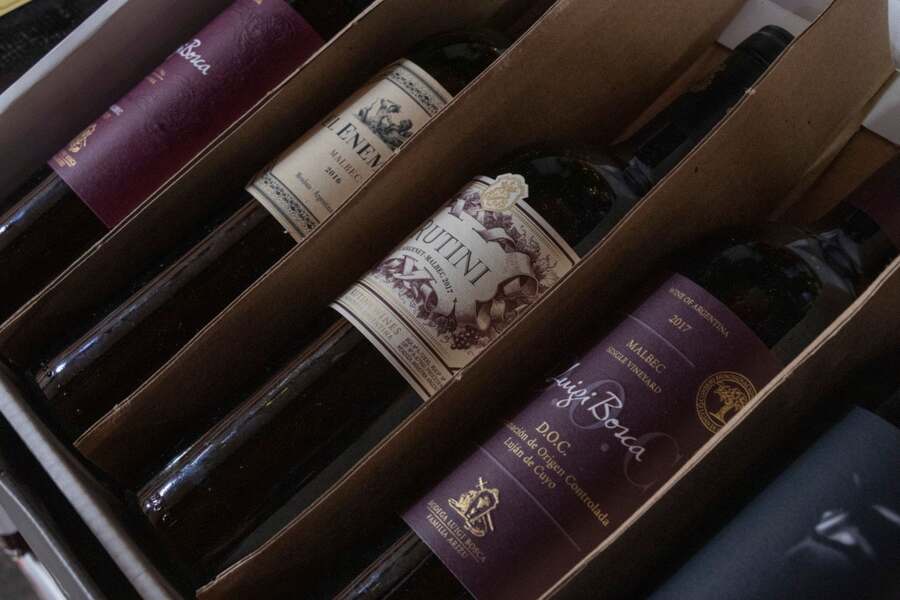
Red wines have long been celebrated for their depth, complexity, and variety. Appreciated by wine enthusiasts and casual drinkers alike, red wines offer a rich tapestry of flavours and aromas that reflect the terroir and craftsmanship behind each bottle. This article explores the nuances of red wines, their production, types, and tips for selection and pairing.
Understanding Red Wine
Red wine is produced from dark-coloured grape varieties. The colour, ranging from deep violet to ruby and even brick-red hues, comes primarily from the grape skins. During fermentation, the juice remains in contact with the skins, allowing tannins, colour compounds, and flavours to develop. These components contribute to the mouthfeel, structure, and ageing potential of the wine.
Common Red Wine Varieties
There are numerous red grape varieties cultivated around the world, each contributing unique characteristics to the resulting wines. Some of the most popular include Cabernet Sauvignon, Merlot, Pinot Noir, Syrah (or Shiraz), and Malbec. Each variety expresses different flavours and intensities, influenced by climate and winemaking techniques.
Cabernet Sauvignon
Cabernet Sauvignon is renowned for its boldness, high tannins, and acidity, often showcasing flavours of blackcurrant, cedar, and green bell pepper. It ages well and is frequently blended with other varieties to enhance complexity. This grape thrives in regions such as Bordeaux, Napa Valley, and Coonawarra.
Merlot
Merlot is generally softer and fruitier than Cabernet Sauvignon, characterised by plum, cherry, and chocolate notes. Its medium tannins and smooth texture make it approachable for new red wine drinkers. It is widely grown in Bordeaux and the United States.
Pinot Noir
Pinot Noir is lighter in colour and body compared to other reds but is prized for its intricate aromas of red berries, earthiness, and floral hints. It is more delicate and challenging to cultivate, flourishing in cooler regions like Burgundy and New Zealand.
Shiraz / Syrah
Shiraz, known as Syrah in France, offers a robust profile with rich flavours of dark fruit, pepper, and spice. It can vary from medium to full-bodied, depending on the climate where it is grown. Australia and the Rhône Valley are notable producers.
Factors Influencing Red Wine Flavours
Several factors affect the flavour profile of red wines. Climate plays a crucial role; warmer regions tend to produce riper, full-bodied wines with ripe fruit flavours, whilst cooler climates often yield more acidic, lighter-bodied wines with herbal notes. Soil composition, altitude, and vineyard management practices also contribute to the nuances in taste.
Winemaking methods further impact the character of red wine. Duration of skin contact, fermentation temperature, type of yeast used, and ageing techniques — such as the use of oak barrels — all influence the final product. Oak ageing can impart flavours of vanilla, toast, or spices and soften tannins.
Health Aspects of Red Wine
Moderate consumption of red wines has been associated with certain health benefits, primarily due to antioxidants such as resveratrol found in grape skins. These compounds may support heart health and possess anti-inflammatory properties. However, it is essential to consume red wine responsibly as overconsumption can lead to adverse health effects.
Selecting Quality Red Wines
Choosing a quality red wine can be an overwhelming experience due to the vast options available. Buyers should consider factors such as grape variety, region, vintage, and price. Reputable wine retailers provide detailed information and guidance to assist in selection.
One efficient way to explore different options is by browsing dedicated collections of red wines offered by specialty retailers. These selections often categorise wines by type and origin, simplifying the decision-making process for both novices and connoisseurs.
Storing Red Wine
Proper storage is vital to maintain the quality of red wine. Wines should be kept in a cool, dark environment with a consistent temperature, ideally between 12°C and 18°C. Bottles should be stored on their sides to keep the cork moist and prevent oxidation. Humidity and ventilation are also important considerations to avoid spoilage or drying of the cork.
Serving Red Wine
Serving temperature can greatly affect the enjoyment of red wines. Generally, lighter reds such as Pinot Noir are best served slightly chilled, around 12°C to 15°C, whereas fuller-bodied reds like Cabernet Sauvignon benefit from a warmer serving temperature of 16°C to 18°C. Decanting is often recommended for robust red wines to allow oxygen to soften tannins and reveal complex aromas.
Pairing Red Wine with Food
Matching food with red wine enhances the dining experience. The richness and tannin content of the wine should complement the flavours and texture of the dish. For example, heavy, tannic red wines pair well with red meats, stews, and rich sauces, as the protein and fat soften the tannins. Lighter reds match nicely with poultry, mushroom dishes, or grilled vegetables.
Global Red Wine Producing Regions
Red wines are produced worldwide, with certain regions specialising in specific grape varieties. France remains a leading producer with regions like Bordeaux, Burgundy, and the Rhône Valley. Italy offers diverse reds such as Chianti and Barolo. New World producers, including Australia, the United States, and Chile, contribute unique styles influenced by modern techniques and climates.
Wine Tourism and Education
Wine tourism provides an immersive experience for those eager to learn more about red wines. Visiting vineyards, participating in tastings, and engaging with winemakers offer insight into the intricate process of viticulture and enology. Many wine regions host festivals and events dedicated to red wines, fostering appreciation and knowledge.
Conclusion
The world of red wines is rich, varied, and continuously evolving. Understanding the factors that shape red wine production and flavour aids consumers in making informed choices. Whether for casual enjoyment or serious collection, exploring red wines opens doors to discovering new tastes, histories, and cultures. Utilising trusted sources such as red wines collections helps enthusiasts and newcomers alike navigate this comprehensive and captivating category.