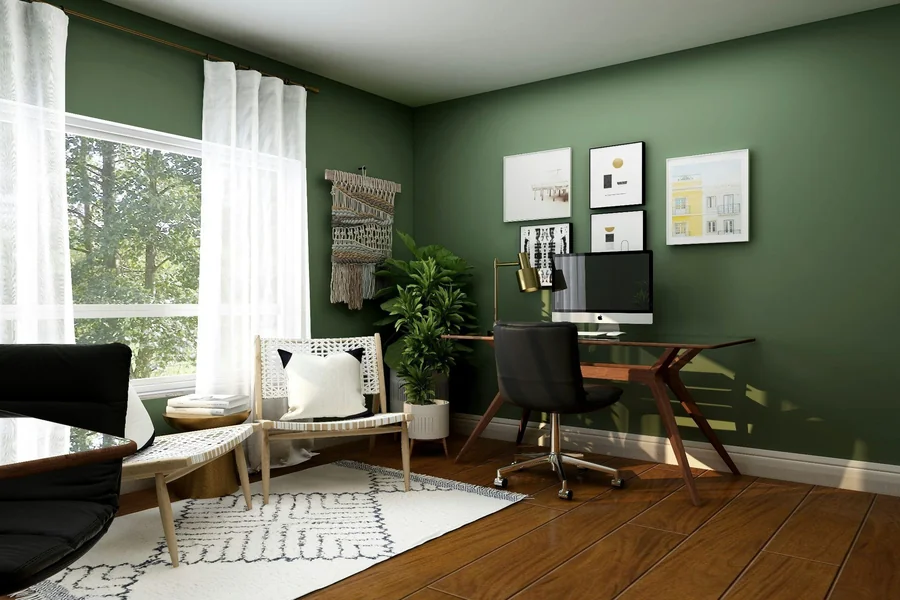
A workspace should do more than simply hold a computer and a chair. It’s where ideas develop, projects move forward, meetings take place, and much of the day unfolds. Whether working from home or managing personal tasks, the environment has a significant influence on focus, comfort, and motivation.
Creating a workspace that’s enjoyable to use doesn’t necessarily require an expensive renovation or designer furniture. In many cases, small improvements make the biggest difference. Better organization, thoughtful lighting, personal touches, and comfortable routines can transform an ordinary desk into a place where productivity feels more natural.
Design a Space That Supports Daily Comfort
Comfort begins with the basics. A supportive chair, a desk positioned at the proper height, and a monitor placed at eye level help reduce unnecessary strain during long working sessions. Natural light, if available, also contributes to a brighter atmosphere while helping the room feel more inviting throughout the day.
Many people complement their workday routines by setting aside time to unwind after busy schedules. As they explore different wellness approaches that fit into their evenings, some choose to browse products available through Medterra while building routines focused on relaxation after work rather than during it.
Keep Your Workspace Organized Without Creating Clutter
A cluttered desk often creates unnecessary distractions. Papers stacked in multiple places, tangled charging cables, empty coffee cups, and miscellaneous office supplies can make even simple tasks feel overwhelming. Keeping only frequently used items within reach allows the workspace to remain visually calm and easier to navigate.
Storage solutions don’t have to be elaborate. Drawer organizers, monitor stands with built-in storage, shelves, and small desktop containers help keep essential items organized while leaving plenty of open working space. Spending a few minutes tidying the desk at the end of each day also creates a fresh starting point for the following morning.
Make Technology Work for You
The right equipment can dramatically improve both comfort and efficiency. A quality keyboard and mouse, noise-reducing headphones, adjustable monitor arms, and reliable internet connectivity eliminate many of the small frustrations that interrupt concentration throughout the day.
Technology also includes maintaining equipment properly. Slow computers, outdated accessories, or unused devices often create unnecessary clutter while taking up valuable workspace. Many businesses and home offices periodically evaluate older office equipment to determine whether it still serves a practical purpose.
When replacing printers or clearing out unused office supplies, some individuals and organizations choose services such as https://www.selltoner.com/ to give unused toner cartridges value instead of allowing them to remain stored indefinitely. Clearing unnecessary inventory helps create a cleaner, more organized workspace while reducing waste.
Add Personal Details That Make the Space Feel Inviting
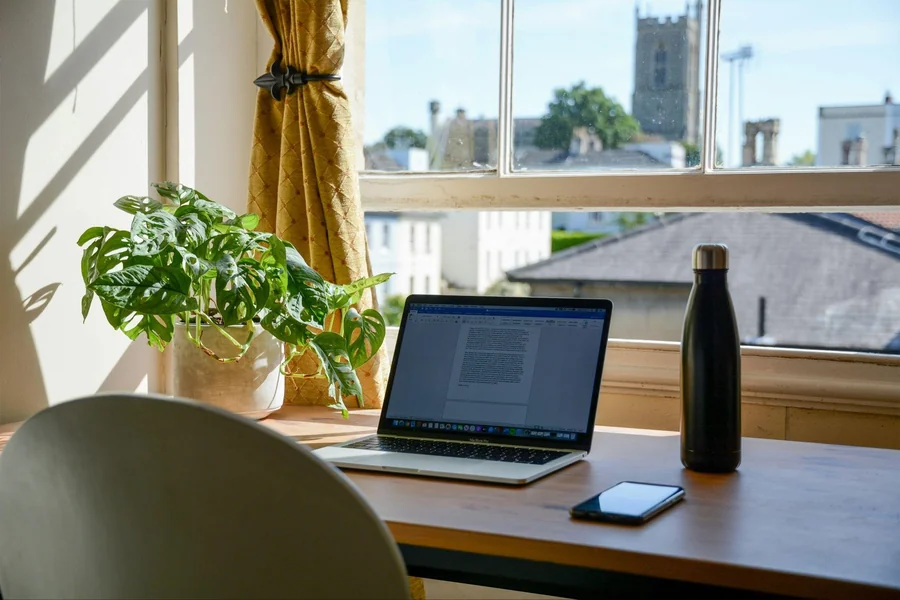
An enjoyable workspace reflects the person using it. Small decorative elements such as framed photographs, artwork, houseplants, books, or meaningful keepsakes create an environment that feels welcoming without becoming distracting.
Plants are particularly popular because they introduce color and natural textures into workspaces while requiring relatively little maintenance. Even a single plant on a desk or nearby shelf can soften an otherwise technology-focused environment and make the room feel more balanced.
Color also plays a role. Neutral backgrounds paired with carefully chosen accent colors often create a calm atmosphere that supports concentration without feeling sterile or overly formal.
Build Healthy Habits Into the Workday
A well-designed workspace encourages movement as well as productivity. Remaining seated for hours at a time can reduce comfort and concentration, making regular breaks an important part of any daily routine.
Standing up every hour, stretching for a few minutes, refilling a water bottle, or taking a brief walk around the office helps reduce physical fatigue while giving the mind an opportunity to reset. Many people also schedule short periods away from their screens before returning with renewed focus.
These habits become easier to maintain when the workspace itself supports them. Keeping water nearby, having enough room to stand comfortably, and maintaining clear walking paths all contribute to healthier daily routines.
Lighting and Sound Influence Productivity More Than Expected
Lighting often determines whether a workspace feels energizing or exhausting. Whenever possible, positioning the desk near natural light helps create a brighter, more pleasant environment throughout the day. During darker hours, adjustable desk lamps with warm, balanced lighting reduce eye strain while creating a comfortable atmosphere.
Sound deserves similar attention. Some people concentrate best in complete silence, while others work more effectively with instrumental music, nature sounds, or low-level ambient noise. Finding the right audio environment can significantly improve focus without requiring major changes to the workspace itself.
Reducing unnecessary interruptions also contributes to better productivity. Silencing non-essential notifications, organizing communication schedules, and limiting background distractions allow longer periods of uninterrupted concentration.
An Enjoyable Workspace Is Built One Improvement at a Time
Creating a workspace that’s enjoyable every day isn’t about chasing perfection or purchasing the most expensive equipment available. Instead, it’s the result of thoughtful decisions that improve comfort, organization, and daily routines over time.
A supportive chair, organized desk, reliable technology, meaningful personal touches, and intentional moments for relaxation all contribute to an environment where work feels less stressful and more productive. Rather than viewing a workspace as simply a place to complete tasks, many people discover that investing in their surroundings also supports greater focus, creativity, and long-term well-being.