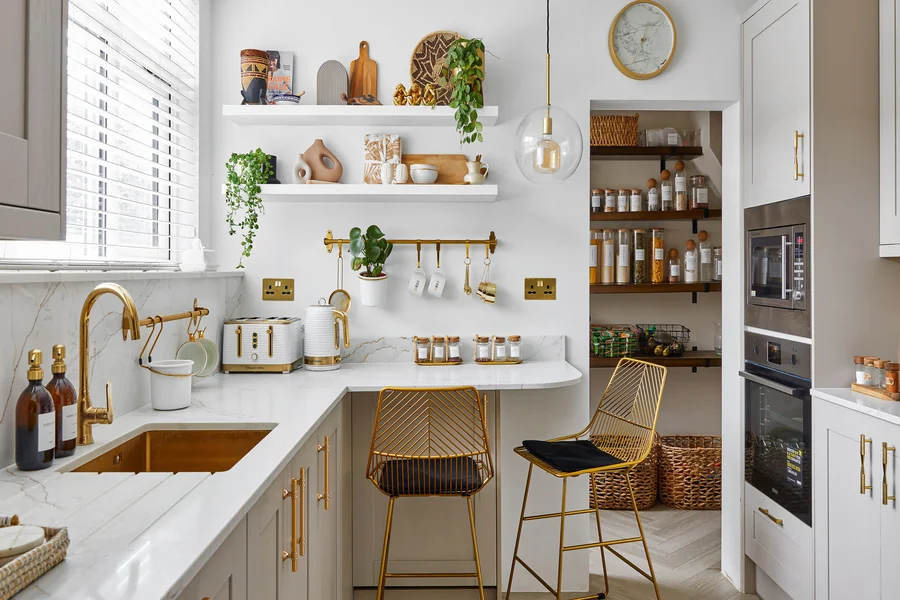
A kitchen can have enough cabinets and still feel cluttered. Utensils pile up near the stove, appliances occupy the countertop, and frequently used ingredients somehow end up behind things you rarely need. The problem is not always a lack of space. Sometimes, it is how that space is organised.
Creating a functional kitchen starts with understanding your cooking routine. By arranging essentials thoughtfully and choosing practical kitchen appliances, you can make everyday tasks easier without adding more shelves, cabinets or countertop space.
Organise Your Kitchen Around How You Cook
Instead of arranging everything according to size or appearance, think about the order in which you prepare meals.
For example, chopping vegetables, cooking food and serving meals involve different utensils and ingredients. Keeping related items together can reduce unnecessary movement around the kitchen.
Start by making a few changes:
- Keep knives and cutting boards near your preparation counter.
- Store frequently used spices within easy reach of the cooking area.
- Place serving utensils near plates and bowls.
- Keep cleaning supplies in a separate, accessible storage area.
The goal is to make commonly used items easy to find without leaving everything on display.
Give Frequently Used Appliances a Dedicated Place
Small appliances can make cooking convenient, but keeping all of them on the counter can quickly create clutter.
An electric kettle, for example, may be used several times daily for tea, coffee or boiling water. If this is part of your routine, keeping it in an accessible location makes more sense than storing it inside a crowded cabinet.
Wipro’s Elato 1.7L Cool Touch Electric Kettle features a 1200W heating system, a cool-touch exterior and automatic shut-off. Its 360-degree rotatable base also makes positioning convenient during use.
Choose a stable location near a suitable electrical outlet, away from water and other equipment that could interfere with safe operation.
Store Appliances According to Their Frequency of Use
Not every appliance needs permanent counter space. Some may be useful for specific meals but remain unused for several days.
A sandwich maker, for instance, might be used regularly for breakfast or occasionally for preparing grilled snacks.
Wipro Appliances offers an Elato Grill Sandwich Maker with ceramic-coated plates and a 180-degree opening design for open grilling. Its multifunctional design allows households to prepare different suitable foods using one appliance.
When organising storage, consider:
| Usage frequency | Recommended arrangement |
| Daily | Keep accessible in a safe, designated location |
| Several times weekly | Store in an easily reachable cabinet |
| Occasionally | Use a separate shelf or less accessible storage area |
Allow appliances to cool completely before cleaning or storing them, and follow the manufacturer’s storage instructions.
Use Vertical Storage Without Overcrowding Cabinets
Cabinets often have unused space above smaller utensils and containers. Making better use of this height can improve organisation without requiring additional furniture.
Some practical options include:
- Stackable organisers for suitable containers and smaller utensils.
- Shelf risers to separate plates, bowls and cups.
- Wall-mounted hooks for lightweight utensils.
- Drawer dividers for spoons, measuring tools and accessories.
- Clearly labelled containers for frequently used dry ingredients.
Avoid stacking heavy appliances on unstable shelves. Storage should make items easier to access, not introduce difficulties when taking them out.
Choose Appliances That Reduce Storage Requirements
Sometimes, organising a kitchen involves reducing the number of separate items required for cooking.
A multicooker can be helpful when one appliance supports several basic preparation methods.
For example, the Wipro Vesta 1.2L Multicooker Kettle accommodates tasks such as boiling eggs, preparing noodles, cooking suitable smaller portions and steaming food. Its dual temperature control offers flexibility for different preparations.
Rather than keeping separate equipment for every simple task, a multifunctional appliance may help households manage certain cooking needs with fewer utensils.
However, check its dimensions, required ventilation and storage requirements before deciding where it belongs.
Maintain an Organised Kitchen Every Day
Kitchen organisation works best when it becomes part of your routine.
After cooking, return utensils to their designated places, wipe down preparation surfaces and store appliances once they have cooled.
Review your storage occasionally to identify items you no longer use regularly. This prevents unnecessary clutter from building up again.
A functional kitchen does not depend on how much storage you have. It depends on making thoughtful use of the available space, keeping essentials accessible and creating a setup that supports your everyday cooking habits.