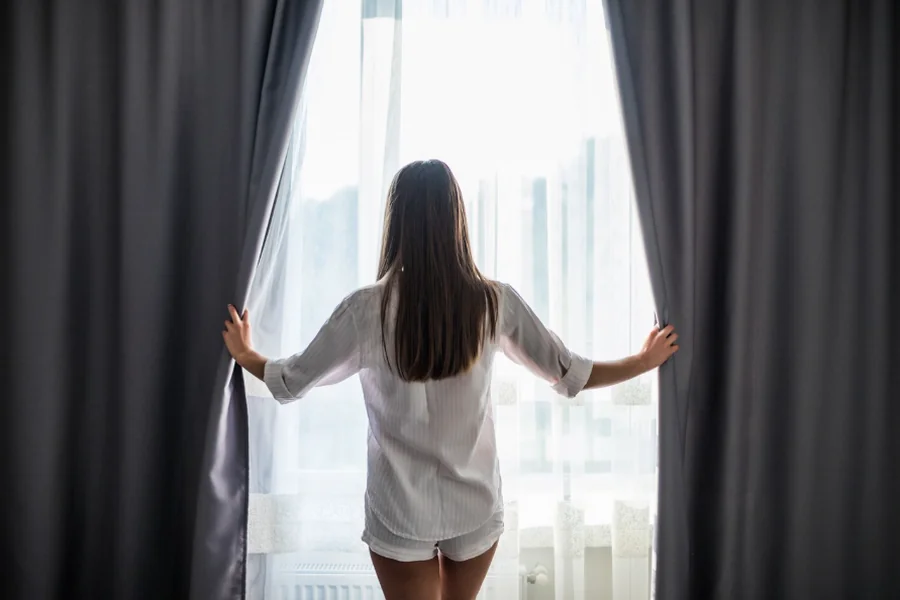
In the eclectic interior landscape of Singapore, curtains are not merely functional pieces but integral elements of home décor that reflect personal aesthetics and fulfil practical needs. Fabrik curtains Singapore has become synonymous with quality, offering a wide range of options to suit the diverse tastes and requirements of urban dwellers. With a growing preference for customisation and sustainability, the market for curtains in Singapore provides rich opportunities for those looking to enhance their living spaces.
Historical Context of Curtains in Singapore
Curtains have historically been a crucial aspect of homes, helping to manage light, provide insulation, and add a decorative touch. In a city-state like Singapore, where the climate is both humid and hot, curtains play a vital role in controlling indoor temperatures and enhancing privacy. Over time, the function of curtains has evolved, influenced by cultural exchanges and technological advancements. Initially, traditional curtains crafted from natural materials were prevalent. However, as Singapore developed into a cosmopolitan metropolis, the demand for innovative designs and modern materials surged.
Material Choices and Innovations
The materials used in curtains available across Singapore demonstrate a blend of traditional and contemporary preferences. From classic fabrics like cotton and silk to modern synthetic blends, the selection caters to varied functional needs and aesthetic preferences. Key modern fabric innovations are often designed for durability and ease of maintenance, which is ideal for the busy lifestyles of Singaporean residents.
Despite the shift towards synthetic options, there remains a robust market for natural materials, which are prized for their sustainability and luxury feel. Eco-friendly options such as organic cottons and bamboo fabrics have become popular, aligning with the global move towards environmentally responsible living.
Curtain Styles Favoured by Singaporeans
Singapore’s curtain market is a melting pot of traditional and modern styles. Minimalist designs are particularly popular, reflecting the influence of contemporary interior design trends. This style typically features simple, clean lines and neutral shades, creating a sense of space and calm.
On the other hand, there remains a fondness for opulent designs, especially amongst those who aspire to add a luxurious touch to their homes. Velvet and brocade curtains with intricate details and rich colours are preferred in environments aiming for an elegant or regal atmosphere.
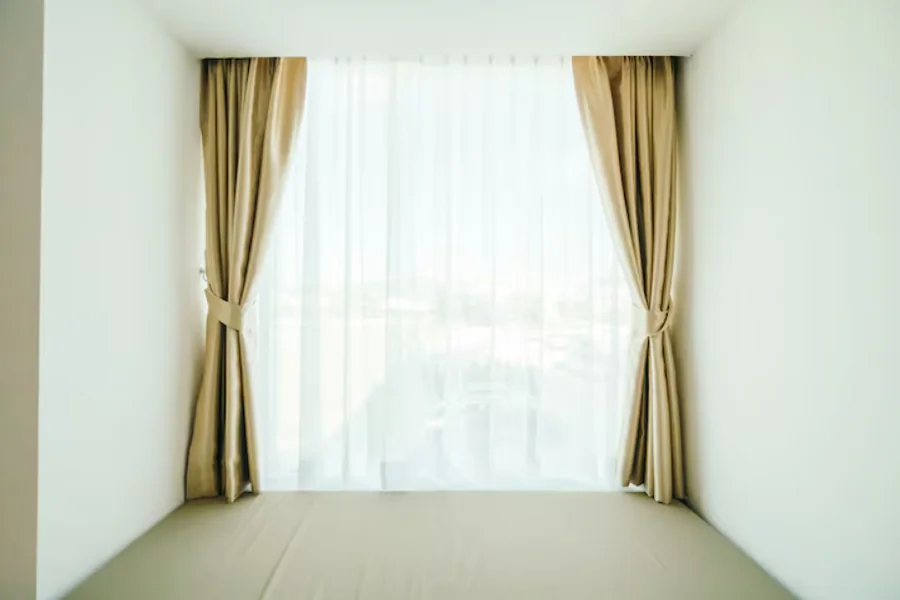
Additionally, the tropical climate has made sheer curtains a mainstay, allowing natural light to filter through while maintaining privacy. These are often paired with blackout curtains or blinds, providing flexibility in light control and insulation.
Customisation and Personalisation
The concept of personalisation is highly valued in Singaporean markets, and the curtain industry is no exception. Custom-made curtains provide homeowners the opportunity to design something unique that perfectly complements their lifestyle and personal taste. This trend is mirrored by the growth of interior design services that offer bespoke curtains as part of their package, ensuring a cohesive design language throughout the home.
The Role of Technology
Technological advancements have significantly impacted the curtain industry in Singapore. Smart homes, for instance, are increasingly common, with curtains integrated with home automation systems. Motorised and remote-controlled curtains provide convenience and add a touch of modernity to any residence.
Furthermore, advancements in fabric technologies mean curtains can offer advanced functionalities like UV resistance, antibacterial properties, and soundproofing. These innovations are particularly attractive to urban consumers looking to optimise their living spaces for both comfort and health.
Cultural Influences on Curtain Choices
Singapore’s multicultural society exerts a notable influence on the cultural choices of its residents. Traditional patterns and styles reflecting the rich cultural tapestry of the country are still prevalent, weaving elements from Chinese, Malay, and Indian cultures into modern home settings. This diversity adds depth to the choices available, allowing for a mixture of vibrant patterns and colours that can enliven any décor.
Sustainability and Environmental Considerations
As global awareness about environmental sustainability grows, there is an increasing demand for eco-friendly curtain options. Many suppliers and manufacturers in Singapore are now offering products made from sustainable materials, reducing the carbon footprint involved in production and ensuring that the environmental impact remains minimal. Consumers are becoming more educated about making ecological choices, favouring products that offer both aesthetic appeal and environmental responsibility.
The Economic Impact and Market Trends
The economic landscape of Singapore is uniquely conducive to a thriving curtain market. With a relatively affluent population and a strong interest in home improvement, businesses dealing in curtains have noted significant growth. Alongside mainstream retail options, online platforms have expanded market accessibility, catering to tech-savvy consumers who prefer shopping from the comfort of their homes.
Moreover, the expatriate community in Singapore, with its diverse palette of tastes, continues to influence the demand for a wide range of styles and functions in curtains. This demographic’s continual interest in bespoke and high-end options supports a robust and resilient market.
Conclusion: An Ever-Evolving Market
The curtain industry in Singapore exemplifies a successful blend of tradition, modernity, and technological innovation. With its dynamic market, driven by cultural richness and environmental consciousness, the role of curtains transcends mere functionality, offering an endless array of possibilities for personal expression and comfort enhancement in the home. As Singaporean consumers continue to embrace diverse designs and sustainable practices, the future of the curtain industry in this vibrant city-state looks promising and full of potential.