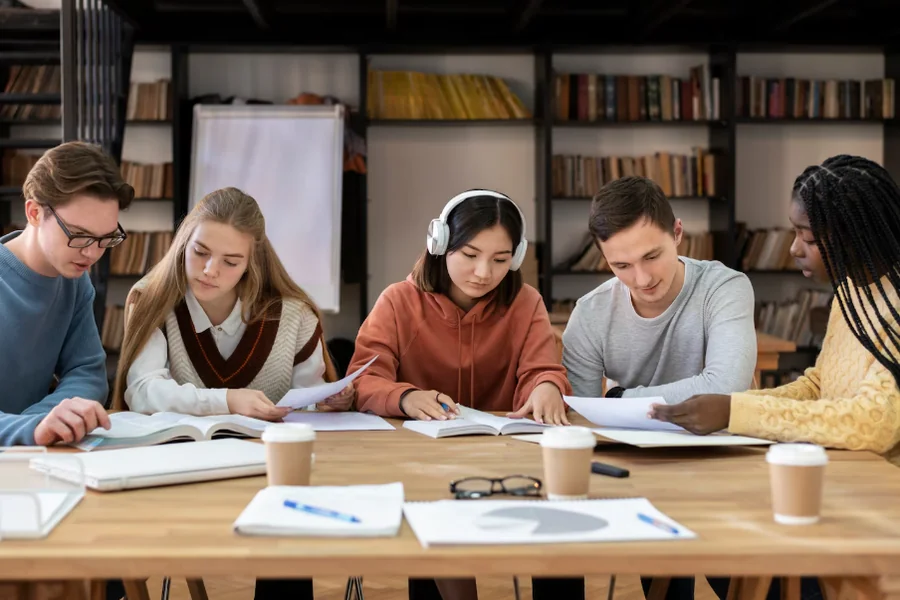
Singapore international school holidays are a unique facet of the academic calendar that caters to the diverse community residing in this vibrant city-state. With students hailing from various countries, international schools in Singapore often coordinate their holiday schedules to align somewhat with global counterparts, while still respecting the local context.
The Structure of the Academic Year
In Singapore, international schools operate on different calendars compared to public schools, often drawing from Western educational traditions. The Singapore international school holidays are planned around academic terms and seasonal breaks, allowing families to align travel and enrichment activities with the school year. Many international schools typically start their academic year in August or September, following a Western calendar, and conclude in June or July. This schedule is structured around key holidays, including the summer, winter, and spring breaks.
Summer Break
The summer holiday is typically the longest break in the academic year, offering an extended period for students and their families to travel, engage in extended learning opportunities, or simply relax. In most international schools, this break spans from mid-June to early August, coinciding with the northern hemisphere’s summer season.
Winter Holidays
Winter holidays in Singapore’s international schools usually occur in December, often starting a few days before Christmas and lasting through the New Year. These breaks align students with their families’ traditions, especially for those celebrating Christmas and New Year’s Eve, ensuring students have time to partake in festive activities.
Spring Break
Spring break, often taking place in March, offers a week or two off from school. This break functions as a respite in the second semester and coincides with similar breaks in educational systems in the United States and Europe.
Cultural and Public Holidays
Given Singapore’s multicultural tapestry, international schools also incorporate local public holidays into their schedules. These local holidays, such as Chinese New Year, Hari Raya Puasa, Deepavali, and Vesak Day, are observed across international schools, reflecting the city’s cultural diversity. These not only provide breaks but also introduce international students to Singaporean culture.
Chinese New Year
Considered one of the most significant holidays in Singapore, Chinese New Year is celebrated over two days, typically in late January or February. International schools often incorporate this holiday, giving students time to experience the rich traditions and family gatherings associated with it.
Hari Raya Puasa
Marking the end of Ramadan, Hari Raya Puasa is an important festival for the Muslim community. International schools in Singapore recognise this cultural celebration, providing a day off for students to join in the festivities.
Adaptations for the Expat Community
International schools in Singapore serve a large expatriate community, requiring flexibility and understanding of the needs of families from various cultural backgrounds. By aligning some breaks and adopting varied pedagogical approaches, these schools ensure a smooth transition for families who relocate frequently due to global assignments.
Aligning with Global Schools
Scheduling holidays like the summer break to align with similar international institutions allows students to move seamlessly between countries. This alignment also facilitates communication and coordination among families who may have children attending schools across different countries.
Educational Impact
The scheduling of holidays plays a crucial role in the educational development of students. Breaks refresh students’ minds, fostering better academic outcomes. They provide opportunities for:
– Enrichment Activities: Students can enrol in educational camps or pursue extracurricular interests. This enhances learning beyond traditional academics.
– Family Time: Extended breaks enable families to spend quality time together, which is crucial for building strong relationships in expatriate settings.
– Cultural Exploration: Students gain exposure to local customs and traditions during holidays, enriching their global perspectives.
Conclusion
Singapore international school holidays are thoughtfully structured to accommodate a melting pot of cultures and global itineraries. By integrating international holidays and recognising local public holidays, these schools provide a balanced calendar that supports both academic excellence and cultural enrichment. The flexibility and diversity of these holiday schedules reflect the dynamic nature of Singapore’s international educational environment, benefiting a diverse student body from around the world.