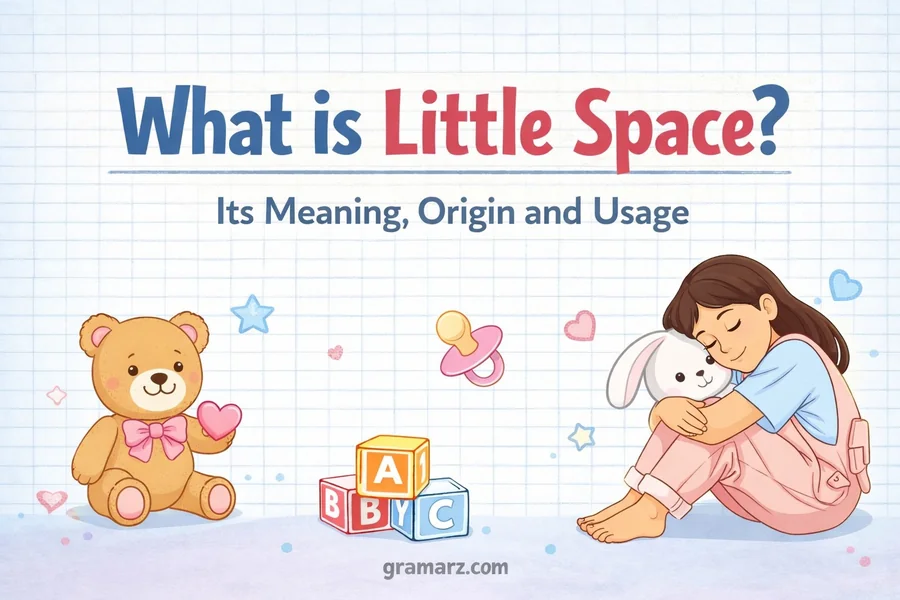
Little space is a time when adults feel and act younger. It is a mental state that helps people escape adult worries. In little space, someone can play, relax, and feel safe like a child.
Many people enjoy little space because it makes them happy. It brings back good childhood memories and a carefree state. You can do fun things like watch cartoons or color.
Little space is healthy when used in small amounts. It helps with stress relief and emotional healing. People use little space as a mental break to feel calm and refreshed.
What is the Meaning of the Phrase ‘Little space’?
The phrase “little space” refers to a mental or emotional state where a person feels young, often much younger than their actual age. This is a form of age regression that allows someone to temporarily adopt a childlike mindset. When in little space, adults can experience a sense of wonder, curiosity, and joy similar to childhood. It is a type of emotional retreat where worries about responsibilities, deadlines, or adult life fade into the background.
People enter little space for various reasons, but one of the main purposes is stress relief. For example, after a long day of work, someone might watch cartoons, play with childhood toys, color, or engage in other comfort activities. These actions create a safe space that helps the mind relax, offering a mental break from everyday pressures. Little space is not about avoiding life permanently; rather, it’s a temporary coping mechanism that supports mental wellness and emotional healing.
Entering little space often involves reconnecting with nostalgia and childhood memories. People describe feeling a carefree state where they can laugh freely, explore their imagination, and simply enjoy the moment. This state is also linked to playful mindsets, youthful mindset, and self-soothing activities, which are powerful tools for mental health self-care.
What is the Origin of the Phrase ‘Little space’?
The concept of little space has its roots in both psychological and online communities. Age regression, the clinical term often associated with little space, has been studied in psychology as a way to cope with trauma or stress. People experiencing regression can revisit earlier developmental stages to find emotional rejuvenation and healing.
In recent years, the phrase “little space” has gained popularity online, especially in forums and communities focused on mental wellness and personal development. Social media platforms such as TikTok, Tumblr, and Reddit have helped spread awareness of the idea. Posts and videos often describe little space as a tiny nook or a cozy corner where adults can indulge in comfort activities, feel safe, and temporarily disconnect from the pressures of adulthood.
Historically, humans have always sought ways to reconnect with their inner child, whether through art, storytelling, or play. Little space is a modern name for an age-old concept: finding safe havens to nurture your emotional self, relax, and restore mental balance. In this sense, little space is both a psychological tool and a cultural phenomenon that blends mindset regression with nostalgic moments and relaxing hobbies.
Read Also: Sir This Is A Wendy’s – Its Meaning, Origin and Usage
How do You Use the Phrase ‘Little space’?
Using the phrase “little space” depends on context. It can describe both the state of mind and the activities that help achieve that state. For instance, someone might say, “I need some time in little space after a stressful day,” meaning they want to retreat into a comfort zone where they can feel young and carefree.
Little space can be achieved through simple, daily routines. Watching cartoons, coloring, or building Lego sets are common self-soothing activities. Listening to familiar childhood music or revisiting favorite books and movies can also trigger a playful mindset. The important factor is that the activity allows the mind to relax and reconnect with childlike curiosity.
People also describe little space as a mental break that provides emotional healing and stress coping strategies. For example, some therapists recommend incorporating tiny nooks or cozy corners in homes as safe havens where individuals can engage in comfort activities and reflect in a youthful mindset. It can be as simple as a small chair with blankets, toys, and art supplies—creating a personal space to foster relaxation techniques and mental wellness.
Here’s a simple table illustrating common activities and their emotional benefits in little space:
| Activity | Emotional Benefit |
| Watching cartoons | Nostalgia, carefree state, stress relief |
| Coloring or drawing | Playful mindset, self-soothing activities |
| Playing with childhood toys | Emotional healing, reconnect with inner child |
| Reading favorite childhood books | Childlike mindset, comfort activities |
| Listening to nostalgic music | Mental break, emotional rejuvenation |
What are Some Similar Alternative Words and Phrases for ‘Little space’?
There are many ways to describe a little space without using the exact phrase. Depending on the context, these alternatives can convey subtle differences in meaning. For instance, a cozy corner or tiny nook emphasizes the physical aspect of a comforting space. Phrases like youthful oasis or nostalgic hideaway highlight the emotional or mental retreat aspect.
Other common alternatives include miniature haven, pocket of room, snug corner, and safe haven. Each of these phrases communicates the idea of a comfort zone where someone can relax, feel safe, and engage in self-soothing activities. Choosing the right phrase often depends on whether you want to emphasize emotional healing, playful mindset, or simply a small physical space for relaxation.
Phrases Opposite to Little Space
Understanding what is opposite to little space can help highlight its calming and restorative nature. While little space represents stress relief, mental break, and a carefree state, its opposite involves adult responsibilities, overwhelm, and rigid mindsets.
For example, environments filled with noise, deadlines, or obligations prevent someone from connecting with their inner child. Phrases like overcrowded space, stressful environment, or pressured mindset contrast strongly with the safe space and comfort activities that define little space. Recognizing these opposites can reinforce the importance of carving out time for emotional retreat, relaxation techniques, and reconnecting with childhood memories for emotional rejuvenation.
Understanding Little Space and Its Emotional Benefits
Little space is a mental state where adults adopt a childlike mindset to find peace and joy. By entering this state, people can escape adult pressures, allowing a mental break and stress relief. Activities like coloring, playing with toys, or watching cartoons create a safe space, helping them reconnect with their inner child and childhood memories.
Many psychologists recognize little space as a form of age regression that supports mental wellness. It helps with emotional healing by offering a temporary retreat from responsibilities. People often experience nostalgia, a carefree state, and increased creativity. By embracing little space, adults develop better coping mechanisms and enjoy playful, restorative moments in their daily lives.
Read Also: 35 Other Ways to Say “Have a Great Rest of Your Week”
How Little Space Helps With Stress Relief
Entering little space allows people to take a mental break from their hectic schedules. By focusing on comfort activities, like watching childhood movies or listening to nostalgic music, they create a safe haven where stress is reduced. This break helps the mind reset, offering a sense of calm and emotional rejuvenation that is hard to achieve otherwise.
Little space encourages a playful mindset, which can enhance mental health self-care. Regularly practicing little space reduces tension, improves focus, and nurtures a youthful mindset. Adults can reconnect with their inner child, experience nostalgic moments, and feel carefree for a while. This helps them approach challenges with emotional balance and a calmer perspective.
The Role of Nostalgia in Little Space
Nostalgia plays a central role in little space by connecting adults to childhood memories. Activities like drawing, building toys, or watching cartoons trigger mindset regression, allowing people to revisit simpler times. This connection evokes comfort, happiness, and a sense of emotional healing, helping them temporarily escape the pressures of adult life.
Engaging in nostalgic moments strengthens the playful mindset and encourages a carefree state. By indulging in past joys, adults can practice self-soothing activities and enjoy mental wellness. Nostalgia in little space is not just entertainment—it is a therapeutic tool that supports stress coping strategies, helping people restore calmness and emotional balance.
Common Activities to Enter Little Space
People can enter little space through comfort activities that evoke childlike curiosity. Watching cartoons, coloring, playing board games, or reading childhood books can create a tiny nook or cozy corner where adults feel safe. These activities promote a youthful mindset and offer stress relief, acting as simple coping mechanisms for daily life.
Music, toys, and storytelling are also effective ways to experience little space. Such activities encourage emotional rejuvenation and a carefree state, helping the mind disconnect from adult responsibilities. Engaging in self-soothing activities like these strengthens mental wellness, providing a safe space to nurture creativity, relaxation, and a playful mindset in a busy world.
Creating a Safe Space at Home for Little Space
To enjoy little space, people often design a safe haven at home. This can be a cozy corner with blankets, soft pillows, toys, and art supplies. Such a space encourages mindset regression, where adults can feel young, explore creativity, and engage in comfort activities that reduce stress and support emotional healing.
A personal little space provides a mental break and strengthens mental wellness. Adults can immerse themselves in nostalgic moments, experience a playful mindset, and enjoy a carefree state. Designing this area intentionally helps reinforce self-soothing activities, giving a reliable retreat whenever life becomes overwhelming or stressful.
Little Space and Mental Health Self-Care
Little space is a powerful tool for mental health self-care, offering a mental break that helps adults recharge emotionally. Engaging in comfort activities like drawing, listening to childhood music, or building toys reduces anxiety and supports emotional rejuvenation. It provides a safe space to explore feelings and practice stress coping strategies in a nurturing way.
By practicing little space regularly, adults develop a playful mindset, reconnect with their inner child, and enjoy a carefree state. This improves focus, emotional stability, and overall mental wellness. Incorporating little space into daily routines allows people to balance responsibilities with moments of joy, relaxation, and self-soothing activities for long-term emotional health.
The Psychological Benefits of Little Space
Entering little space has measurable psychological benefits. It promotes mindset regression that helps individuals relieve tension and reconnect with positive childhood memories. This emotional retreat encourages relaxation techniques, reduces stress, and fosters a youthful mindset that contributes to emotional healing and overall well-being.
Little space also encourages a playful mindset, helping adults manage life challenges more effectively. Experiencing nostalgic moments and engaging in self-soothing activities provides a mental break, enhances creativity, and strengthens stress coping strategies. These benefits make little space an essential tool for mental health self-care and personal growth.
Read Also: Lumon Definition and Meaning: What It Stands For in Text
Tips for Safely Practicing Little Space
To practice little space safely, adults should set aside time for comfort activities in a tiny nook or cozy corner. Simple tasks like coloring, watching favorite shows, or listening to nostalgic music help create a safe haven for emotional relaxation, stress relief, and emotional rejuvenation without disrupting daily responsibilities.
It is also important to maintain balance. While little space provides a carefree state, integrating mental wellness habits ensures it complements self-soothing activities. Adults can combine little space with journaling, mindfulness, or relaxing hobbies to enhance mental health self-care. These practices strengthen the playful mindset, promote emotional balance, and reconnect individuals with their inner child safely.
FAQs
How do you explain little space to someone?
Little space is a mental state where an adult temporarily feels and acts younger, reconnecting with their inner child for comfort and stress relief.
Why do people have little space?
People enter little space to escape adult pressures, relieve stress, and experience nostalgia, emotional healing, and a carefree state.
Is little space healthy?
Yes, little space can be healthy when used as a mental break or self-soothing activity to support mental wellness and emotional balance.
Is little space a real condition?
Little space is not a medical condition but a recognized psychological and emotional state linked to age regression and stress coping strategies.
Conclusion
Little space is a way for people to feel young and safe. It helps them take a break from adult problems and enjoy simple joys. When someone enters little space, they can play, draw, watch cartoons, or do other comfort activities that make them feel happy. This state lets people relax, feel carefree, and remember good childhood memories. Little space also helps with stress relief and gives the mind a short pause. By spending time in little space, people can improve their mental wellness, practice self-soothing activities, and enjoy emotional healing. It is a healthy way to rest and refresh the mind.
Little space creates a safe space for everyone to feel free. People can enjoy nostalgic moments, play like a child, and focus on emotional rejuvenation. It allows the mind to rest and grow stronger. Using little space supports a youthful mindset, a playful mindset, and a calm heart. Activities in little space can include coloring, watching favorite shows, or making a cozy corner to relax. Adults can feel inner child joy while keeping their daily life safe and balanced. Little space is simple, healthy, and helps people feel better every day.